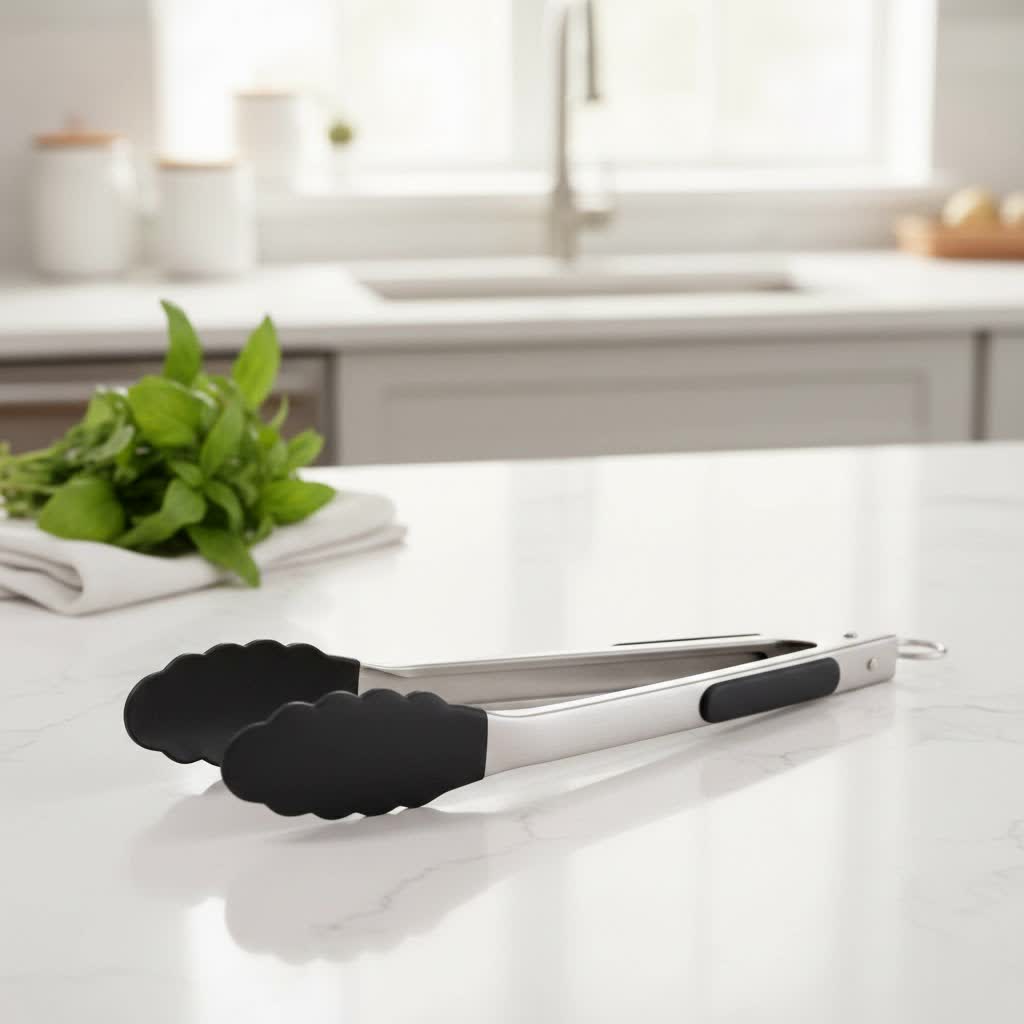
In the bustling world of the kitchen, few tools offer the versatile utility and indispensable aid that a reliable pair of kitchen tongs provides. Far more than simple grabbers, these extensions of your hand are crucial for everything from delicate plating to high-heat grilling, ensuring safety, precision, and efficiency in your culinary endeavors. With countless designs, materials, and lengths available, finding the ideal kitchen tongs can transform your cooking experience. This comprehensive guide will navigate you through the diverse landscape of kitchen tongs, helping you understand their types, essential features, and how to select the best pair to suit your specific needs.
Discovering the Diverse World of Kitchen Tongs
Kitchen tongs come in a variety of forms, each designed with specific tasks and cooking environments in mind. Understanding these variations is the first step toward building a well-equipped kitchen arsenal.
Common Types Based on Material and Mechanism
The material and operational mechanism are fundamental characteristics that define a tong’s performance and suitability for different uses.
- Stainless Steel Tongs: Renowned for their durability and strength, stainless steel tongs are excellent for high-heat cooking, such as grilling, frying, and sautéing. They are robust and easy to clean, often featuring scalloped edges for a firm grip on heavier foods. However, metal tips can scratch non-stick cookware.
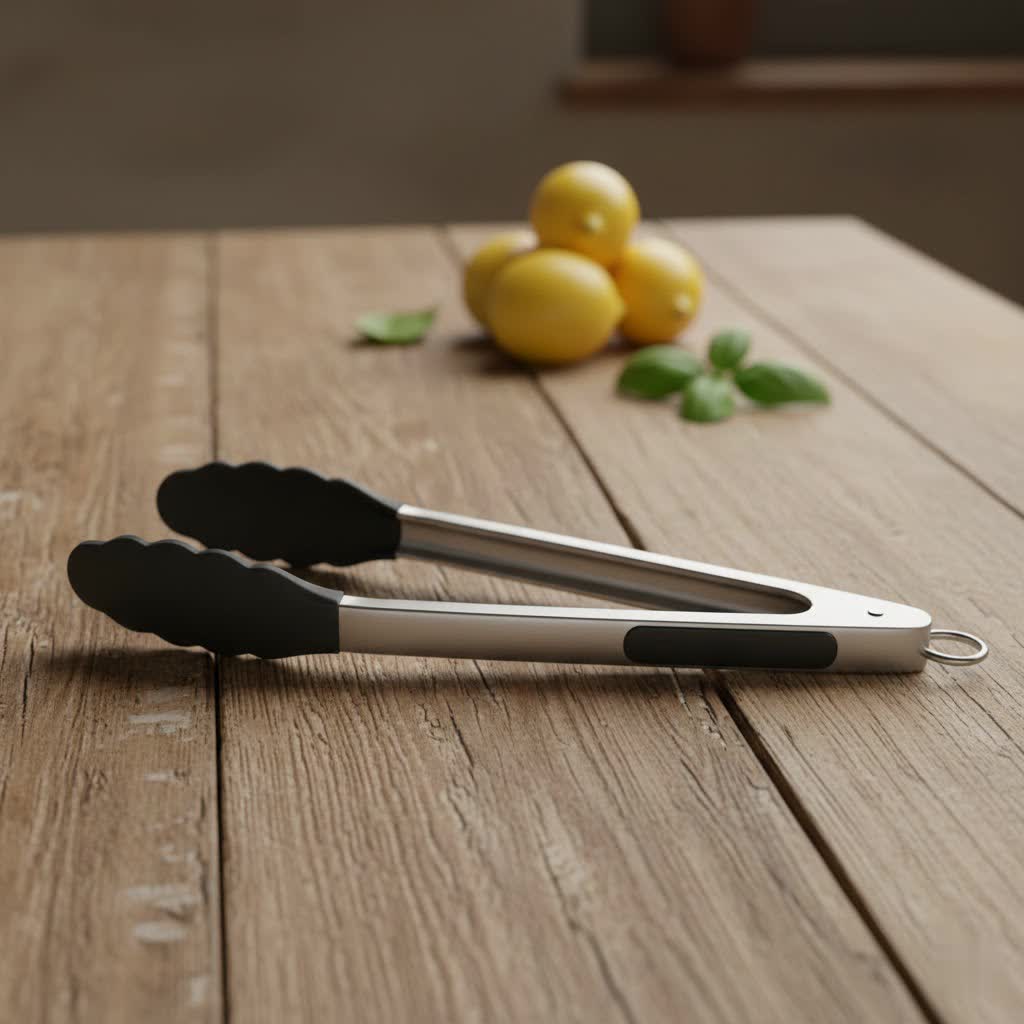
- Silicone-Tipped Tongs: These tongs combine the strength of a stainless steel body with soft silicone tips. The silicone is highly heat-resistant (often up to 600°F or higher), gentle on non-stick surfaces, and provides an enhanced grip on slippery foods. They are a popular choice for all-purpose kitchen use.
- Nylon Tongs: Typically lighter and more affordable, nylon tongs are suitable for use with non-stick cookware as they won’t scratch surfaces. However, their heat resistance is generally lower (around 400°F), making them less ideal for very high-heat applications like deep frying or grilling.
- Locking Tongs: Most modern kitchen tongs feature a locking mechanism, usually a pull-tab at the end, which keeps them closed for compact storage. This design prevents them from springing open in drawers, saving space and reducing clutter.
- Scalloped Tongs: Characterized by their wavy, serrated edges, scalloped tongs provide a secure, multi-point grip on irregularly shaped or slippery foods, from vegetables to large cuts of meat.
- Flat-Edged Tongs (Pastry Tongs): With paddle-like or smooth, flat ends, these tongs are designed for handling delicate items like pastries, baked goods, or flaky fish without tearing or damaging their texture.
|
Our Picks for the Best Kitchen Tongs in 2026
We may earn a commission when you use one of our links to make a purchase.
|
||
| Num | Product | Action |
|---|---|---|
| 1 | GORILLA GRIP Stainless Steel Heat Resistant Kitchen Tongs for Cooking, Set of 2 BBQ Tong, Non Scratch Silicone Tip for Pans, Strong Grip, Grab Food, Toss Salad, Air Fryer, Pull Lock, 7 + 9 Inch, Black |

|
| 2 | HOTEC Premium Stainless Steel Locking Kitchen Tongs with Silicon Tips, Set of 2-9" and 12" |
|
| 3 | KitchenAid Stainless Steel Utility Tongs, 12 Inch |
|
| 4 | OXO Good Grips 9-Inch Locking Tongs with Nylon Heads |
|
| 5 | OXO Good Grips 9 Inch Stainless Steel Locking Tongs |
|
| 6 | OXO Good Grips 2-Piece Tongs with Nylon Heads Set |
|
| 7 | Kitchen Tongs with Silicone Tips, Tongs for Cooking Heat Resistant 600 Degrees Stainless Steel Locking Tong - 7" 9" & 12 inch Silicone Tong Non-Stick, Black Set of 3 |
|
| 8 | Tongs For Cooking - Heat Resistant 600 Degrees Stainless Steel Kitchen Tong,Heavy Duty Metal Locking Tongs - Perfect for Food,Salad and BBQ set of 3 (7",9" and 12") Dishwasher |
|
| 9 | OXO Good Grips 12-Inch Stainless-Steel Locking Tongs |
|
| 10 | Boxiki Kitchen Wooden Tongs for Cooking - Nonstick Kitchen Salad Tongs for Serving Food, Grilling, Cooking, BBQ and Tossing Salad - Made of Natural Walnut Wood, Size 12-inch |
|
|
Our Picks for the Best Kitchen Tongs in 2026
We may earn a commission when you use one of our links to make a purchase.
|
||
| Num | Product | Action |
|---|---|---|
| 1 | Boxiki Kitchen Wooden Tongs for Cooking - Nonstick Kitchen Salad Tongs for Serving Food, Grilling, Cooking, BBQ and Tossing Salad - Made of Natural Walnut Wood, Size 12-inch |
|
| 2 | OXO Good Grips 2-Piece Tongs with Nylon Heads Set |
|
| 3 | KitchenAid Stainless Steel Utility Tongs, 12 Inch |
|
| 4 | Tongs For Cooking - Heat Resistant 600 Degrees Stainless Steel Kitchen Tong,Heavy Duty Metal Locking Tongs - Perfect for Food,Salad and BBQ set of 3 (7",9" and 12") Dishwasher |
|
| 5 | Kitchen Tongs with Silicone Tips, Tongs for Cooking Heat Resistant 600 Degrees Stainless Steel Locking Tong - 7" 9" & 12 inch Silicone Tong Non-Stick, Black Set of 3 |
|
| 6 | OXO Good Grips 9 Inch Stainless Steel Locking Tongs |
|
| 7 | OXO Good Grips 12-Inch Stainless-Steel Locking Tongs |
|
| 8 | GORILLA GRIP Stainless Steel Heat Resistant Kitchen Tongs for Cooking, Set of 2 BBQ Tong, Non Scratch Silicone Tip for Pans, Strong Grip, Grab Food, Toss Salad, Air Fryer, Pull Lock, 7 + 9 Inch, Black |
|
| 9 | OXO Good Grips 9-Inch Locking Tongs with Nylon Heads |
|
| 10 | HOTEC Premium Stainless Steel Locking Kitchen Tongs with Silicon Tips, Set of 2-9" and 12" |
|
Specialized Tongs for Every Culinary Task
Beyond general utility, several specialized tongs cater to unique kitchen demands:
- Utility/Cooking Tongs: The all-around workhorses, typically 9-12 inches long, suitable for most stovetop and serving tasks.
- BBQ/Grilling Tongs: Longer in length (14-22 inches) to keep hands safe from intense heat, often made of durable stainless steel with robust gripping capabilities for large meats and vegetables on the grill.
- Salad Tongs: Often a one-piece design or two separate spoon/spork-like pieces, designed for tossing and serving leafy greens without bruising them.
- Pasta Tongs: Featuring long, tooth-like ends, these are perfect for grasping, tossing, and serving slippery pasta noodles.
- Plating/Precision Tongs (Chef’s Tongs): Tweezer-shaped and usually 6-12 inches long, these are used for delicate tasks like arranging garnishes, deboning fish, or achieving fine presentation.
- Ice Tongs: Small, often crow-feet shaped, designed for neatly handling individual ice cubes without direct hand contact, promoting hygiene.
Essential Factors When Choosing Kitchen Tongs
With such a variety, how do you pinpoint the perfect pair? Consider these critical factors to make an informed decision:
Material Matters: Safety, Durability, and Heat Resistance
The material of your tongs directly impacts their performance and longevity.
- Food-Grade Safety: Always ensure materials are food-grade and BPA-free, especially for silicone and nylon components, to prevent chemical leaching into food.
- Durability and Longevity: Stainless steel offers superior durability, resisting rust and bending. Look for robust construction that feels solid in hand.
- Heat Resistance: If you frequently cook at high temperatures, opt for tongs with high heat resistance. Quality silicone tips can withstand up to 600°F, while nylon is generally safe up to 400°F. Stainless steel itself is highly heat-resistant, but ensure handles remain cool to the touch.
- Ease of Cleaning: Most modern tongs are dishwasher-safe, simplifying cleanup. Check for designs without intricate crevices where food can get trapped.
Size and Length: Tailoring to Your Task
The length of your tongs significantly affects control, reach, and safety.
- Short Tongs (4-7 inches): Ideal for delicate tasks like plating, serving appetizers, or grabbing items from a toaster. They offer maximum control for precision work.
- Medium Tongs (9-12 inches): The most versatile length for everyday cooking, suitable for stovetop frying, sautéing, turning food in pans, and serving. They provide a good balance of reach and control.
- Long Tongs (14-22 inches): Essential for grilling, deep frying, or reaching into hot ovens, keeping your hands a safe distance from intense heat and splatters. While great for distance, they offer less fine control than shorter tongs.
Operational Mechanism: Grip, Precision, and Storage
A well-designed tong mechanism enhances usability.
- Locking Mechanism: A smooth, easy-to-engage locking tab is invaluable for compact storage and prevents the tongs from flopping open unexpectedly.
- Spring Tension: The spring should provide enough tension for a secure grip without causing hand fatigue. It should feel responsive and balanced, allowing for both delicate and firm handling.
- Scalloped vs. Flat Tips: Scalloped tips offer excellent grip for most foods, while flat tips are better for fragile items. Many home cooks benefit from having both types.
Handle Design: Comfort and Security
A comfortable and secure grip is paramount for extended use and safety.
- Non-Slip Material: Handles with rubber, silicone, or textured finishes provide a secure, non-slip grip, even when hands are wet or greasy.
- Ergonomic Design: Look for handles that fit comfortably in your hand, reducing strain during prolonged use. Well-designed thumb rests can enhance control.
- Insulation: For high-heat applications, handles should be made of heat-insulating materials or have a protective coating to prevent burns.
Comparing Popular Kitchen Tongs Brands
Many reputable brands offer high-quality kitchen tongs. Here’s a look at some widely recognized names:
- OXO: Known for their ergonomic “Good Grips” designs, OXO tongs often feature comfortable, non-slip handles and effective locking mechanisms. Their silicone-tipped options are highly rated for versatility and non-stick safety.
- Misen: Misen offers durable silicone tongs praised for their sturdy build and ability to handle heavy items while being gentle on cookware.
- KitchenAid: A household name in kitchenware, KitchenAid tongs typically combine appealing aesthetics with functional design, often featuring robust stainless steel construction.
- WMF: A German brand synonymous with quality and precision, WMF offers premium stainless steel tongs known for their high-grade materials and excellent heat resistance.
Detailed Comparison Table
| Brand | Model (Example) | Pros | Cons | Price Range (Approx.) |
|---|---|---|---|---|
| OXO | Good Grips Tongs | Ergonomic, non-slip grip, effective lock, silicone-tipped options for non-stick. | Can be slightly bulkier than other designs. | $15 – $25 |
| Misen | Silicone Tongs | Very durable, strong grip, silicone protects cookware. | Heavier build might not suit all users. | $19 – $29 |
| KitchenAid | Classic Tongs | Stylish design, sturdy stainless steel. | Fewer advanced features compared to specialized tongs. | $10 – $20 |
| WMF | Profi Plus Tongs | Premium stainless steel, high heat resistance, elegant design. | Higher price point. | $30 – $50+ |
Using and Caring for Your Kitchen Tongs
To maximize the lifespan and effectiveness of your kitchen tongs, proper usage and care are essential.
Safe and Effective Usage
- Match Tongs to Task: Use silicone-tipped tongs for non-stick pans to prevent scratches. Opt for longer, sturdy metal tongs for grilling. Precision tongs are best for delicate plating.
- Secure Grip: Always ensure a firm, yet not crushing, grip on food items. Practice with different foods to gauge the appropriate tension.
- Avoid Cross-Contamination: Use separate tongs for raw meats and cooked foods, or thoroughly clean them between uses, to prevent the spread of bacteria.
Cleaning and Storage
- Regular Cleaning: Most stainless steel and silicone tongs are dishwasher-safe. For handwashing, use hot soapy water and a sponge. For stubborn residue, a soak in warm water with baking soda can help.
- Avoid Abrasives: Do not use abrasive cleaners or steel wool on silicone or coated tongs, as this can damage the protective layer.
- Proper Storage: Utilize the locking mechanism to keep tongs closed, saving space in drawers. Many also feature a hanging loop for convenient storage on hooks.
Top Kitchen Tongs to Consider Right Now
While personal preference plays a role, certain models consistently receive high praise for their performance and reliability. The OXO Good Grips 12-inch Tongs with Silicone Heads are frequently lauded as an excellent all-around choice. They offer a comfortable, non-slip grip, a smooth locking mechanism, and heat-resistant silicone tips that are safe for all cookware types, making them incredibly versatile for daily cooking and serving. For grilling, a robust 16-inch stainless steel tong with an insulated handle provides the necessary reach and strength.
Where to Purchase Quality Kitchen Tongs
You can find high-quality kitchen tongs at a variety of retailers:
- Kitchenware Stores: Specialty stores offer a wide selection and knowledgeable staff.
- Department Stores: Major department stores often carry popular brands like OXO and KitchenAid.
- Online Retailers: Websites like Amazon, Williams Sonoma, or the brands’ own sites offer extensive options, customer reviews, and competitive pricing. When buying online, always check product specifications and read reviews.
Your Ultimate Kitchen Tongs Buying Guide
Choosing the best kitchen tongs boils down to understanding your cooking habits and prioritizing key features.
- Identify Your Primary Use: Will you mostly grill, sauté, serve, or plate? This will guide your choice of length and material.
- Consider Your Cookware: If you own non-stick pans, silicone-tipped tongs are a must to protect surfaces.
- Evaluate Materials: Stainless steel for durability and high heat, silicone for versatility and non-stick safety, nylon for lightweight, budget-friendly non-stick use.
- Prioritize Comfort and Control: A good grip, balanced tension, and a reliable locking mechanism will make a significant difference in your cooking experience.
“The right tongs feel like an extension of your hand, offering seamless control and confidence in the kitchen.”
Conclusion
Kitchen tongs are unsung heroes of culinary efficiency, offering a blend of control, safety, and versatility that few other utensils can match. From flipping delicate fish to turning hearty steaks on the grill, a well-chosen pair of tongs can elevate your cooking prowess and simplify countless kitchen tasks. By considering the different types, materials, lengths, and ergonomic features, you can confidently select the perfect kitchen tongs to become an indispensable part of your culinary journey.
What specific tasks in your kitchen do you find most challenging without the perfect pair of tongs?
Frequently Asked Questions
What are the best tongs for non-stick pans?
For non-stick pans, silicone-tipped tongs are highly recommended. The soft silicone material prevents scratching and damage to the non-stick coating while providing a secure grip on food. Ensure the silicone is food-grade and heat-resistant for safe cooking.
What size kitchen tongs should I get?
The ideal tong size depends on your primary use. 9-12 inch tongs are versatile for most stovetop cooking and serving. For grilling or deep frying, 14-22 inch tongs are essential for safety and reach. Smaller 4-7 inch tongs are perfect for precision plating or serving small items.
Are locking tongs better?
Yes, locking tongs are generally considered better for convenience and storage. The locking mechanism keeps the tongs closed when not in use, preventing them from springing open in your drawer and taking up less space. This feature also makes them easier to transport.
Can I use metal tongs on all cookware?
No, metal tongs should not be used on non-stick or delicate enamel-coated cookware as they can scratch and damage the surface. Metal tongs are best suited for stainless steel, cast iron, or grill grates where scratching is not a concern.
How do I maintain my kitchen tongs?
Most kitchen tongs are dishwasher safe, making cleanup easy. For handwashing, use warm soapy water and a soft sponge. Ensure they are thoroughly dried before storage to prevent rust, especially for stainless steel models. Avoid harsh abrasive cleaners.