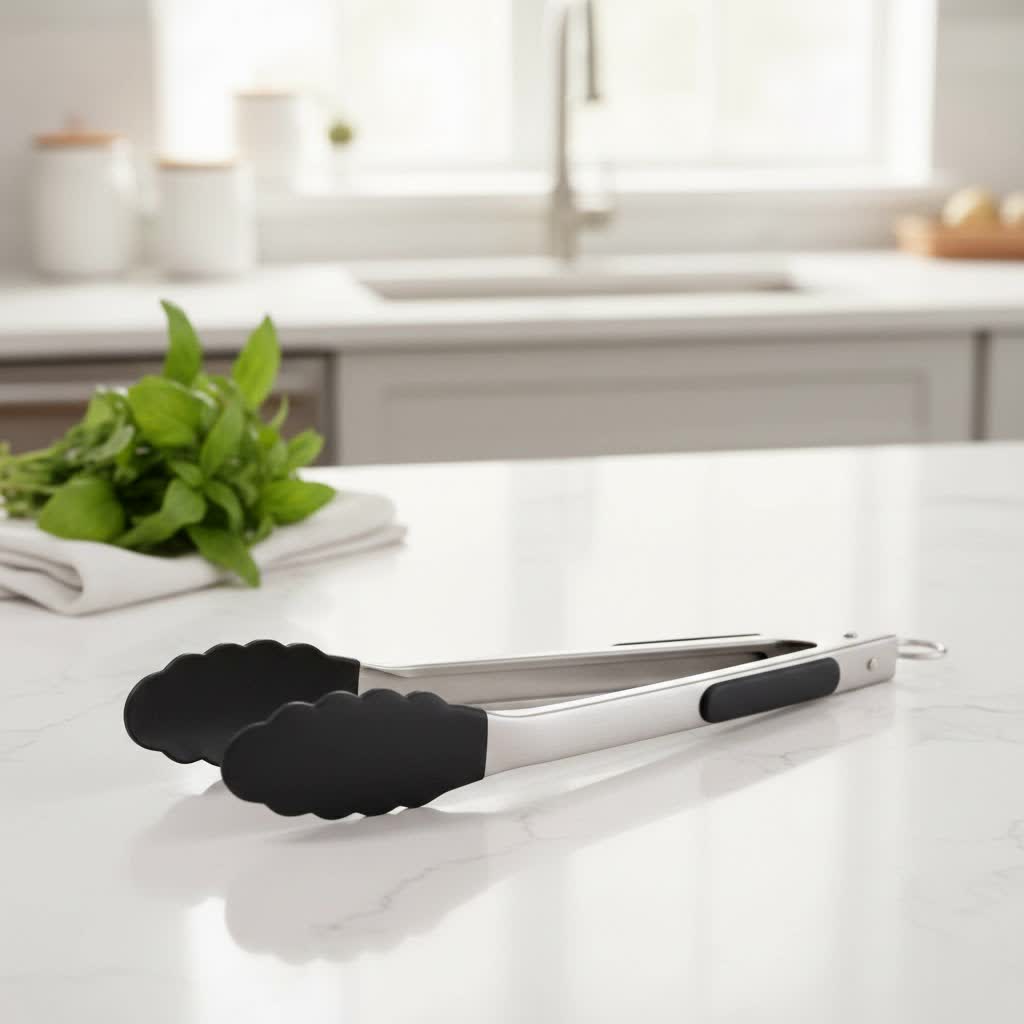
Imagine a kitchen where every flip, every grab, and every serve is effortless and precise. As a kitchen technician with over a decade of hands-on experience evaluating countless kitchen tools, especially food tongs, I can tell you that the right pair of tongs can transform your cooking. They are far more than simple utensils; they are an extension of your hand, crucial for everything from delicate pastries to sizzling steaks. Let’s dive into the world of Kitchen Food Tongs and discover how to select the perfect ones to elevate your culinary journey.
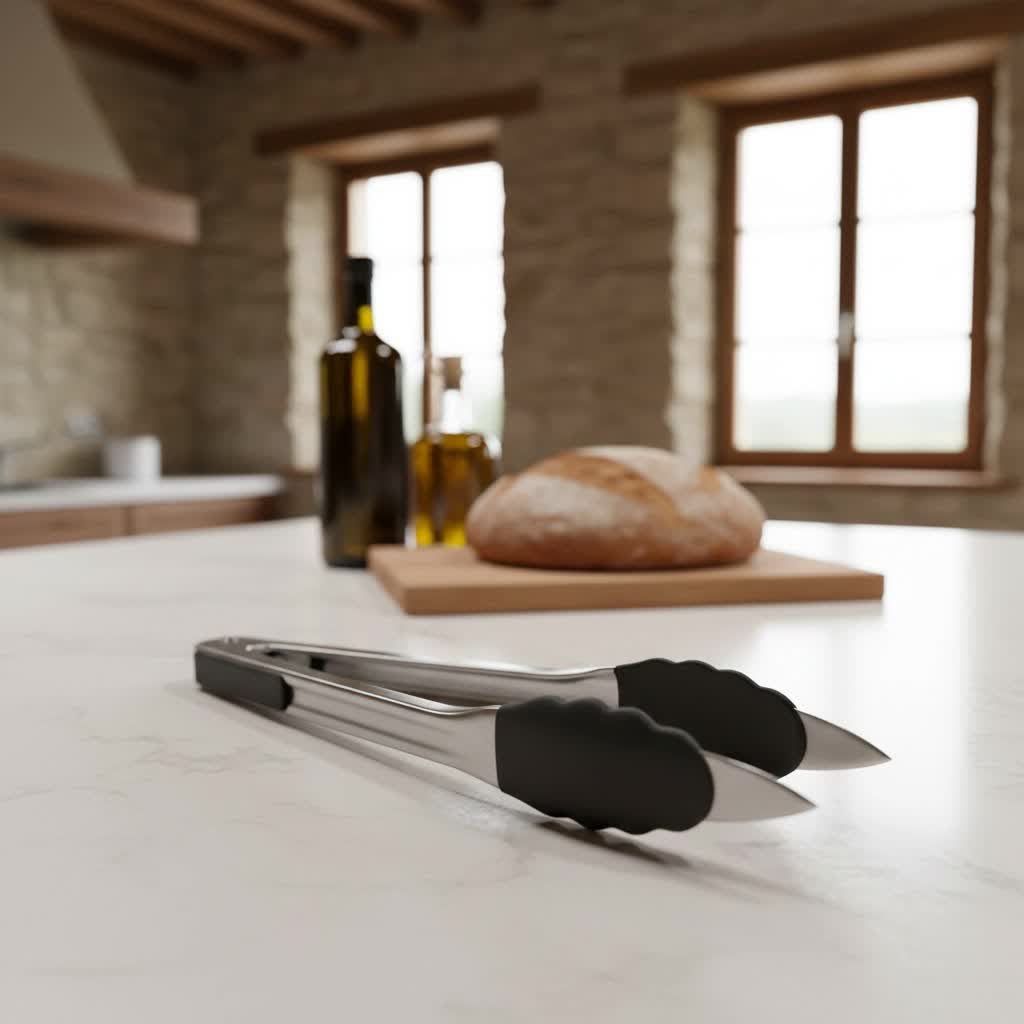
Understanding the Different Types of Kitchen Tongs
Kitchen tongs come in a surprising variety, each designed to excel in specific culinary situations. Knowing these differences is the first step to building a versatile collection.
Material Matters: Stainless Steel, Silicone, and Nylon
The material of your tongs dictates their durability, heat resistance, and suitability for different cookware.
- Stainless Steel Tongs: These are the workhorses of the kitchen. Known for their exceptional durability and high heat resistance, stainless steel tongs are perfect for grilling, frying, and handling heavier items. However, their metal tips can scratch delicate nonstick coatings or enameled pans, so they’re best used with stainless steel or cast iron cookware. Many top models feature rubberized handles for a comfortable, secure grip.
- Silicone-Tipped Tongs: Combining the strength of a stainless steel core with the gentle touch of silicone, these tongs offer the best of both worlds. The silicone tips are heat-resistant (often up to 600°F), non-scratch, and provide excellent grip on slippery foods. They are ideal for use with all types of cookware, including nonstick, and are fantastic for delicate items that might tear with metal tongs. The soft silicone can conform around items, offering a firm yet gentle hold.
- Nylon Tongs: Less common for general cooking, nylon-tipped tongs offer a budget-friendly, non-scratch option. However, they typically have lower heat resistance compared to silicone and may deform or melt if exposed to direct, high heat.
|
Our Picks for the Best Kitchen Tongs in 2026
We may earn a commission when you use one of our links to make a purchase.
|
||
| Num | Product | Action |
|---|---|---|
| 1 | Tongs For Cooking - Heat Resistant 600 Degrees Stainless Steel Kitchen Tong,Heavy Duty Metal Locking Tongs - Perfect for Food,Salad and BBQ set of 3 (7",9" and 12") Dishwasher |

|
| 2 | GORILLA GRIP Stainless Steel Heat Resistant Kitchen Tongs for Cooking, Set of 2 BBQ Tong, Non Scratch Silicone Tip for Pans, Strong Grip, Grab Food, Toss Salad, Air Fryer, Pull Lock, 7 + 9 Inch, Black |
|
| 3 | KitchenAid Stainless Steel Utility Tongs, 12 Inch |
|
| 4 | OXO Good Grips 12-Inch Stainless-Steel Locking Tongs |
|
| 5 | OXO Good Grips 9 Inch Stainless Steel Locking Tongs |
|
| 6 | OXO Good Grips 2-Piece Tongs with Nylon Heads Set |
|
| 7 | OXO Good Grips 9-Inch Locking Tongs with Nylon Heads |
|
| 8 | Boxiki Kitchen Wooden Tongs for Cooking - Nonstick Kitchen Salad Tongs for Serving Food, Grilling, Cooking, BBQ and Tossing Salad - Made of Natural Walnut Wood, Size 12-inch |
|
| 9 | Kitchen Tongs with Silicone Tips, Tongs for Cooking Heat Resistant 600 Degrees Stainless Steel Locking Tong - 7" 9" & 12 inch Silicone Tong Non-Stick, Black Set of 3 |
|
| 10 | HOTEC Premium Stainless Steel Locking Kitchen Tongs with Silicon Tips, Set of 2-9" and 12" |
|
|
Our Picks for the Best Kitchen Tongs in 2026
We may earn a commission when you use one of our links to make a purchase.
|
||
| Num | Product | Action |
|---|---|---|
| 1 | GORILLA GRIP Stainless Steel Heat Resistant Kitchen Tongs for Cooking, Set of 2 BBQ Tong, Non Scratch Silicone Tip for Pans, Strong Grip, Grab Food, Toss Salad, Air Fryer, Pull Lock, 7 + 9 Inch, Black |
|
| 2 | HOTEC Premium Stainless Steel Locking Kitchen Tongs with Silicon Tips, Set of 2-9" and 12" |
|
| 3 | OXO Good Grips 9-Inch Locking Tongs with Nylon Heads |
|
| 4 | Boxiki Kitchen Wooden Tongs for Cooking - Nonstick Kitchen Salad Tongs for Serving Food, Grilling, Cooking, BBQ and Tossing Salad - Made of Natural Walnut Wood, Size 12-inch |
|
| 5 | OXO Good Grips 2-Piece Tongs with Nylon Heads Set |
|
| 6 | KitchenAid Stainless Steel Utility Tongs, 12 Inch |
|
| 7 | Kitchen Tongs with Silicone Tips, Tongs for Cooking Heat Resistant 600 Degrees Stainless Steel Locking Tong - 7" 9" & 12 inch Silicone Tong Non-Stick, Black Set of 3 |
|
| 8 | Tongs For Cooking - Heat Resistant 600 Degrees Stainless Steel Kitchen Tong,Heavy Duty Metal Locking Tongs - Perfect for Food,Salad and BBQ set of 3 (7",9" and 12") Dishwasher |
|
| 9 | OXO Good Grips 12-Inch Stainless-Steel Locking Tongs |
|
| 10 | OXO Good Grips 9 Inch Stainless Steel Locking Tongs |
|
Length and Size for Every Task
Tongs are available in various lengths, each suited for different culinary applications.
- Short Tongs (7-9 inches): These smaller tongs are excellent for precision tasks, serving appetizers, handling delicate items in small pans, or for use with charcuterie boards. They offer maximum control for intricate work.
- Medium Tongs (12 inches): This is the most versatile and popular length for general kitchen tasks. Twelve-inch tongs provide enough distance from heat for stovetop cooking (frying, sautéing, turning), while still offering excellent control for lifting and flipping.
- Long Tongs (16 inches or more): Specifically designed for grilling and outdoor cooking, longer tongs keep your hands a safe distance from intense heat, preventing burns. They are robust enough to handle large cuts of meat or shift charcoal.
Locking Mechanisms: Convenience and Storage
Most modern tongs feature a locking mechanism, typically a pull-tab ring at the end, to keep them closed. This is invaluable for compact storage in drawers and for portability. Some innovative designs, like gravity-lock tongs, allow for one-handed operation by simply tilting and squeezing, which can be a game-changer for dexterity and speed.
Essential Factors When Choosing Your Kitchen Tongs
Selecting the perfect pair of kitchen tongs goes beyond just picking the first shiny set you see. Consider these crucial factors to ensure your tongs are a true asset.
Material Safety and Durability
Prioritize tongs made from food-grade materials that are BPA-free. Stainless steel should be high-quality and corrosion-resistant. For silicone, ensure it’s heat-resistant and durable enough not to easily tear or melt. A solid construction means the arms won’t twist or bow under pressure.
Size and Length for Intended Use
Think about how you’ll primarily use your tongs. Do you grill frequently? A 16-inch pair is a must. Are you often flipping delicate items in a nonstick pan? A 12-inch silicone-tipped set is ideal. For general cooking, a 12-inch pair offers the best balance of reach and control. It’s often beneficial to own a variety of sizes and materials to cover all your cooking needs.
Operational Mechanism and Grip
The ease of the locking mechanism is vital. A smooth, responsive pull-tab lock or a reliable gravity lock saves frustration. The spring tension should be firm enough to provide a secure grip but not so stiff that it causes hand strain during prolonged use.
Ergonomic Handles
Comfort is paramount, especially during long cooking sessions. Look for handles with a non-slip, rubberized, or silicone coating. Ergonomically designed grips prevent fatigue and ensure a secure hold, even when your hands are wet or oily.
Tip Design for Precision and Protection
The shape and alignment of the tong tips significantly impact performance. Scalloped edges generally offer a superior grip on various food shapes, from spaghetti to whole chickens. For nonstick pans, rounded silicone tips are a must to prevent scratches. Ensure the tips align perfectly when closed to avoid dropping small items.
Heat Resistance
For high-heat cooking like frying or grilling, ensure your tongs (especially the tips and handles) are rated for high temperatures. Stainless steel is inherently heat-resistant, while silicone-tipped options should specify their maximum temperature tolerance (often up to 600°F).
Ease of Cleaning and Storage
Most quality kitchen tongs are dishwasher-safe, simplifying cleanup. Tongs with minimal crevices and smooth interior surfaces are easier to handwash. A reliable locking mechanism is crucial for tidy storage, preventing them from springing open and cluttering your drawer.
Comparing Popular Kitchen Tongs Brands
Many brands offer excellent kitchen tongs, each with unique strengths. Here’s a brief comparison of some highly-regarded options:
| Brand | Key Models | Pros | Cons | Price Range (Approx.) |
|---|---|---|---|---|
| OXO | Good Grips (Stainless Steel/Silicone-tipped) | Excellent grip, comfortable handles, durable, reliable lock | Silicone tips can wear over time (minor) | $15-$20 |
| Misen | Silicone Tongs | Very durable, gentle on cookware, good for heavy items | Can feel bulky for smaller hands | $19 |
| Joseph Joseph | Elevate Stainless Steel Tongs | Innovative stand to keep tips off counter, heat-resistant silicone tips | Might be less ideal for deeper pots | $16 |
| Rösle | Stainless Steel Tongs | High-quality stainless steel, elegant design, ideal for high heat | Higher price point, metal can bend over time at extreme heat | $30-$45 |
OXO Good Grips consistently receive high praise for their all-around performance, comfortable grips, and dependable locking mechanism, making them a favorite among home cooks and professionals alike. Their silicone-tipped version is a top choice for nonstick cookware. Misen Silicone Tongs are lauded for their robustness and ability to handle heavier foods gently. Joseph Joseph offers a unique design with an integrated stand, a practical feature for keeping counters clean. Rösle provides a more premium option with high-quality stainless steel, perfect for high-heat cooking and elegant serving.
Mastering Usage and Care for Your Kitchen Tongs
To get the most out of your kitchen tongs and ensure they last, proper usage and care are essential.
Smart Usage Tips
- Match Tongs to Task: Use silicone-tipped tongs for nonstick pans and delicate foods to prevent damage. Reserve stainless steel tongs for cast iron, stainless steel, and high-heat tasks like grilling or deep-frying.
- Optimal Length: Employ longer tongs for grilling to protect your hands from intense heat. Use 12-inch tongs for most stovetop and serving tasks, and shorter ones for precise plating.
- Gentle Yet Firm Grip: Avoid squeezing too hard, especially with delicate items. The goal is a secure hold without crushing or tearing the food.
- Versatile Tool: Beyond flipping and grabbing, tongs are excellent for tossing salads, stirring pasta, serving cooked vegetables, and even draining fried foods.
Cleaning and Storage Best Practices
Most kitchen tongs are designed for easy cleaning.
- Dishwasher Safe: The majority of stainless steel and silicone tongs are dishwasher safe, making cleanup a breeze. Ensure they are placed in the dishwasher in the open position for thorough cleaning.
- Hand Washing: For stubborn food residue, soak tongs in warm, soapy water for 15-30 minutes before scrubbing. Pay attention to crevices around the tips and locking mechanism.
- Thorough Drying: For all-metal tongs, especially, dry them completely after washing to prevent water spots or rust, which can compromise their longevity.
- Compact Storage: Always engage the locking mechanism before storing your tongs in a drawer to keep them closed and save space. You can also hang them using a built-in loop, if available, for easy access.
Conclusion
Kitchen food tongs are an indispensable tool for any culinary enthusiast, offering precision, versatility, and safety. By understanding the different types, considering crucial buying factors like material, length, and mechanism, and committing to proper care, you can select the perfect pair (or pairs!) to enhance your cooking. Investing in quality tongs is an investment in your kitchen’s efficiency and your enjoyment of cooking.
So, are you ready to upgrade your kitchen arsenal and experience the difference a great pair of food tongs can make?
Frequently Asked Questions
What are the different types of kitchen tongs?
Kitchen tongs typically come in stainless steel, silicone-tipped, or nylon varieties, differing in material, heat resistance, and suitability for various cookware. They also vary in length from short serving tongs to long grilling tongs, and feature different locking mechanisms for convenience.
Are silicone or stainless steel tongs better?
Both have their advantages. Silicone-tipped tongs are excellent for nonstick cookware and delicate foods due to their non-scratch and gentle grip. Stainless steel tongs are more durable and ideal for high-heat cooking, grilling, and handling heavier items, though they can scratch nonstick surfaces. Many experts recommend having both for maximum versatility.
How do I choose the right length of kitchen tongs?
Choose the length based on your primary use. Shorter tongs (7-9 inches) are best for precision and serving. Medium tongs (12 inches) are versatile for most stovetop cooking. Longer tongs (16 inches or more) are essential for grilling to keep your hands safe from high heat.
How should I clean and store my kitchen tongs?
Most kitchen tongs are dishwasher safe. For handwashing, use dish soap and warm water, paying attention to any crevices. Always dry metal tongs thoroughly to prevent rust. Store them in the closed position using their locking mechanism to save space in drawers or hang them if they have a loop.