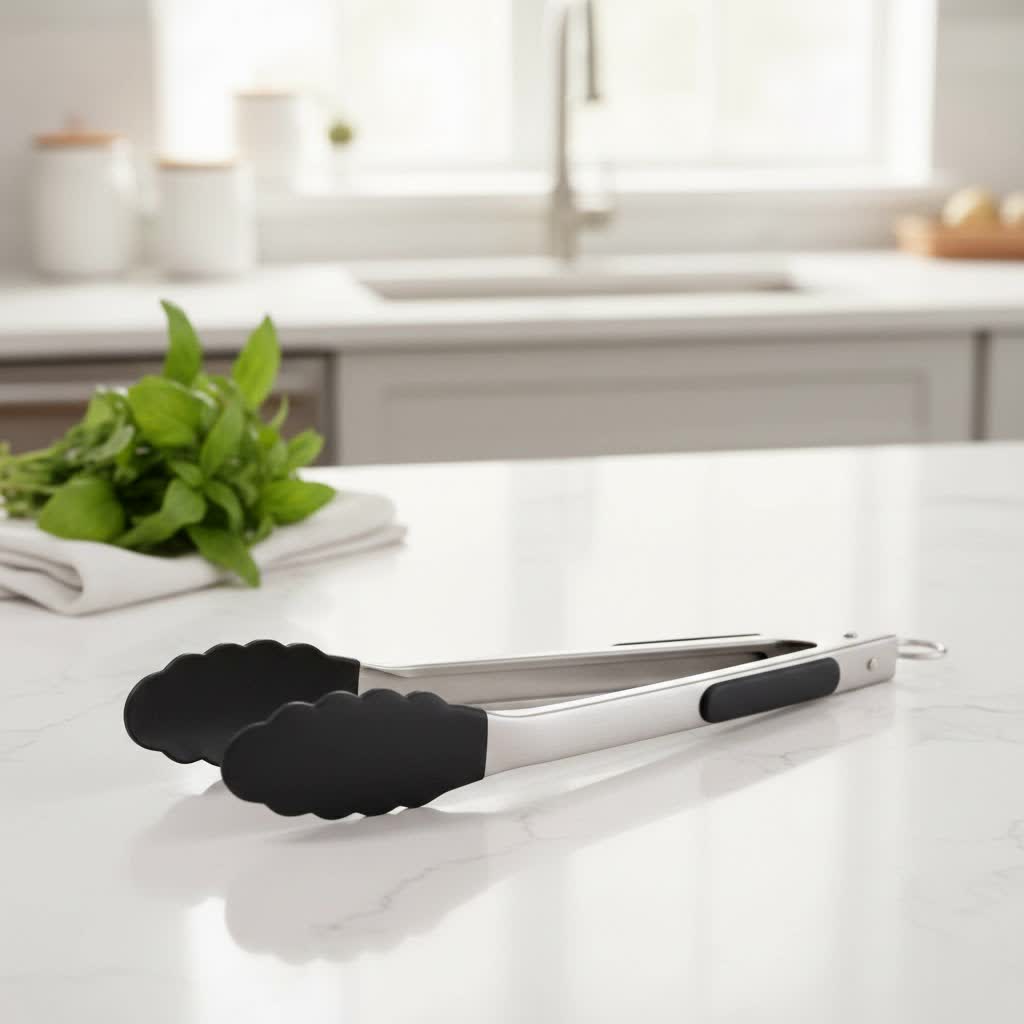
Navigating the culinary world demands precision, control, and the right tools. While standard kitchen tongs are indispensable, have you ever encountered a delicate ingredient or a tight space that calls for something more refined? Enter the Curved Kitchen Tongs – an often-overlooked hero in the utensil drawer, designed to elevate your cooking and plating to a professional level. This comprehensive guide will delve into everything you need to know about curved kitchen tongs, from their unique design and key benefits to choosing the best pair for your culinary adventures.
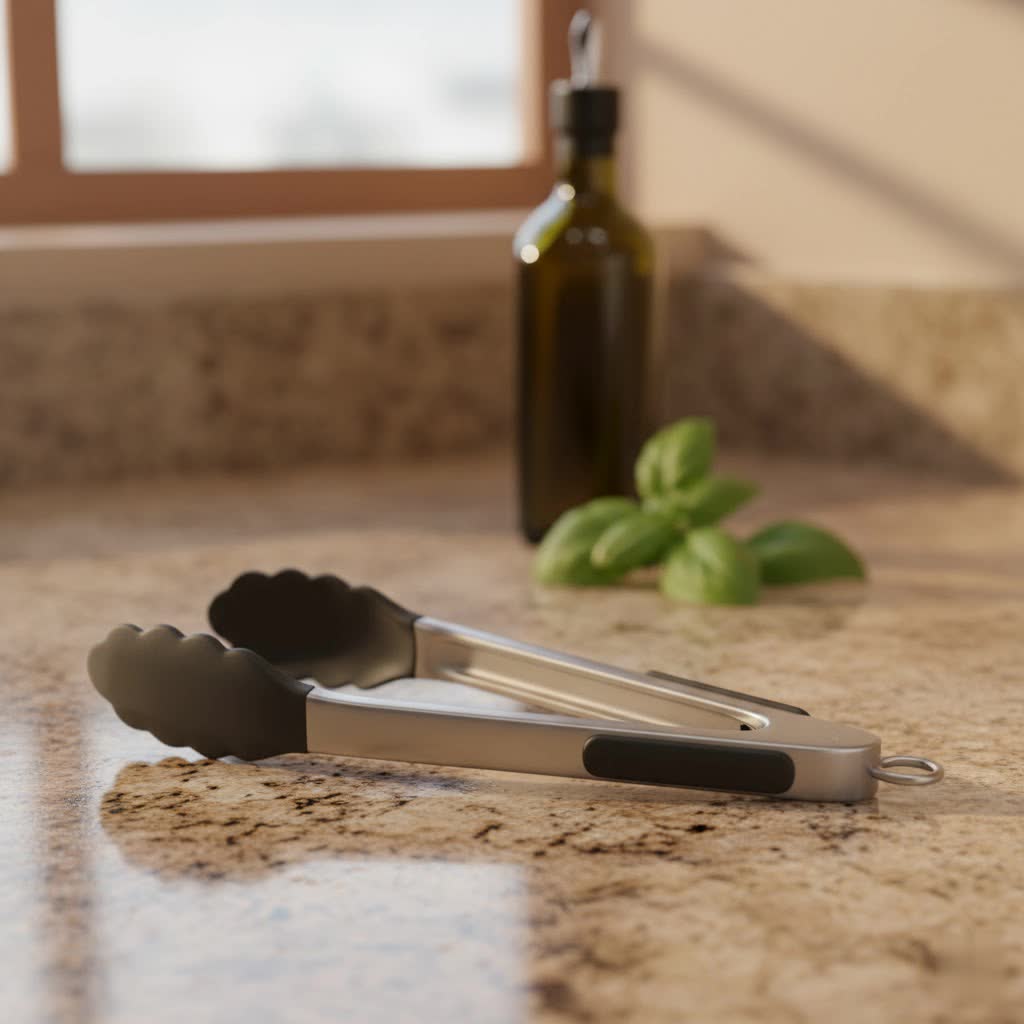
Curved Kitchen Tongs: An Essential Tool for Precision
Curved kitchen tongs are a specialized variant of this versatile utensil, characterized by their angled or bent tips. Unlike straight tongs, which excel at general gripping and flipping, the curve offers enhanced maneuverability and a unique ergonomic advantage, making them perfect for tasks that demand finesse. This design allows you to reach into cramped spaces, turn delicate items without crushing them, or artfully arrange garnishes with unparalleled precision.
Popular Types of Kitchen Tongs (with a Focus on Curved Variations)
While the world of kitchen tongs is vast, encompassing everything from heavy-duty barbecue tongs to gentle salad servers, curved tongs often fall into the category of precision or plating tongs.
- Standard Utility Tongs: These are your everyday workhorses, typically with scalloped edges and a spring-loaded mechanism. They’re excellent for general cooking tasks like flipping meats or tossing vegetables.
- Grilling Tongs: Long-handled and robust, designed to keep your hands safe from high heat. Their tips are often broad or heavily scalloped for gripping larger items.
- Salad and Pasta Tongs: Often featuring wider, sometimes spoon-like or spork-like ends, ideal for serving bulkier, slippery foods.
- Curved Precision Tongs (Plating Tongs): These are usually thinner, often resemble large tweezers, and critically, feature a distinct bend or curve in the tips. This specific design allows for:
- Superior Angle Control: The curve helps maneuver around other items in a pan or on a plate.
- Enhanced Visibility: The bent tip can keep your hand and wrist out of the line of sight, giving you a clearer view of the food you’re handling.
- Delicate Handling: Ideal for picking up herbs, small berries, fish bones, or carefully placing garnishes without disruption.
- Accessing Tight Spots: The angle is invaluable for reaching into air fryers, deep pots, or behind oven racks.
|
Our Picks for the Best Kitchen Tongs in 2026
We may earn a commission when you use one of our links to make a purchase.
|
||
| Num | Product | Action |
|---|---|---|
| 1 | Tongs For Cooking - Heat Resistant 600 Degrees Stainless Steel Kitchen Tong,Heavy Duty Metal Locking Tongs - Perfect for Food,Salad and BBQ set of 3 (7",9" and 12") Dishwasher |

|
| 2 | GORILLA GRIP Stainless Steel Heat Resistant Kitchen Tongs for Cooking, Set of 2 BBQ Tong, Non Scratch Silicone Tip for Pans, Strong Grip, Grab Food, Toss Salad, Air Fryer, Pull Lock, 7 + 9 Inch, Black |
|
| 3 | Boxiki Kitchen Wooden Tongs for Cooking - Nonstick Kitchen Salad Tongs for Serving Food, Grilling, Cooking, BBQ and Tossing Salad - Made of Natural Walnut Wood, Size 12-inch |
|
| 4 | OXO Good Grips 2-Piece Tongs with Nylon Heads Set |
|
| 5 | OXO Good Grips 9-Inch Locking Tongs with Nylon Heads |
|
| 6 | OXO Good Grips 9 Inch Stainless Steel Locking Tongs |
|
| 7 | OXO Good Grips 12-Inch Stainless-Steel Locking Tongs |
|
| 8 | Kitchen Tongs with Silicone Tips, Tongs for Cooking Heat Resistant 600 Degrees Stainless Steel Locking Tong - 7" 9" & 12 inch Silicone Tong Non-Stick, Black Set of 3 |
|
| 9 | HOTEC Premium Stainless Steel Locking Kitchen Tongs with Silicon Tips, Set of 2-9" and 12" |
|
| 10 | KitchenAid Stainless Steel Utility Tongs, 12 Inch |
|
|
Our Picks for the Best Kitchen Tongs in 2026
We may earn a commission when you use one of our links to make a purchase.
|
||
| Num | Product | Action |
|---|---|---|
| 1 | GORILLA GRIP Stainless Steel Heat Resistant Kitchen Tongs for Cooking, Set of 2 BBQ Tong, Non Scratch Silicone Tip for Pans, Strong Grip, Grab Food, Toss Salad, Air Fryer, Pull Lock, 7 + 9 Inch, Black |
|
| 2 | Boxiki Kitchen Wooden Tongs for Cooking - Nonstick Kitchen Salad Tongs for Serving Food, Grilling, Cooking, BBQ and Tossing Salad - Made of Natural Walnut Wood, Size 12-inch |
|
| 3 | OXO Good Grips 2-Piece Tongs with Nylon Heads Set |
|
| 4 | HOTEC Premium Stainless Steel Locking Kitchen Tongs with Silicon Tips, Set of 2-9" and 12" |
|
| 5 | OXO Good Grips 9-Inch Locking Tongs with Nylon Heads |
|
| 6 | Tongs For Cooking - Heat Resistant 600 Degrees Stainless Steel Kitchen Tong,Heavy Duty Metal Locking Tongs - Perfect for Food,Salad and BBQ set of 3 (7",9" and 12") Dishwasher |
|
| 7 | OXO Good Grips 12-Inch Stainless-Steel Locking Tongs |
|
| 8 | OXO Good Grips 9 Inch Stainless Steel Locking Tongs |
|
| 9 | Kitchen Tongs with Silicone Tips, Tongs for Cooking Heat Resistant 600 Degrees Stainless Steel Locking Tong - 7" 9" & 12 inch Silicone Tong Non-Stick, Black Set of 3 |
|
| 10 | KitchenAid Stainless Steel Utility Tongs, 12 Inch |
|
Essential Factors When Selecting Curved Kitchen Tongs
Choosing the right pair of curved kitchen tongs means considering several key attributes to ensure they meet your specific cooking and plating needs.
-
Material:
- Stainless Steel: The go-to for durability, hygiene, and heat resistance. Stainless steel curved tongs offer excellent rigidity and precision. Look for food-grade stainless steel for safety and longevity.
- Silicone-Tipped: Many curved tongs feature silicone tips. This is crucial for protecting non-stick cookware from scratches and providing a gentler, yet firm, grip on delicate foods. Ensure the silicone is BPA-free and heat-resistant.
- Nylon: While less common for precision tongs due to flexibility, nylon tips offer non-stick safety with moderate heat resistance.
- Why it matters: The right material dictates the tong’s lifespan, its ability to withstand high temperatures, and its suitability for various cooking surfaces.
-
Size and Length:
- Curved tongs typically range from 6 to 12 inches. Shorter lengths (6-8 inches) are ideal for intricate plating, small garnishes, or delicate pastry work, offering maximum control. Longer tongs (10-12 inches) provide a balance of reach and precision, suitable for lighter cooking tasks in pans or serving.
- Why it matters: A tong that’s too long can feel clumsy for precision work, while one that’s too short might put your hands too close to heat.
-
Tip Design:
- Fine-Pointed/Serrated: For ultimate precision in picking up tiny ingredients like microgreens or removing fish bones.
- Scalloped Edges (subtly curved): Offer a better grip on slightly larger, slippery items without piercing them.
- Offset Tips: Similar to curved, these feature an angular bend that provides excellent leverage for lifting or turning items from unique angles.
- Why it matters: The shape and texture of the tips directly impact how securely and gently you can grasp different types of food.
-
Mechanism and Spring Action:
- Most tongs use a spring-loaded mechanism to open and close. Test the spring tension—it should be responsive but not overly stiff, allowing for smooth, effortless operation without hand fatigue.
- Look for a reliable locking mechanism (often a pull-tab at the end) for compact storage.
- Why it matters: A poorly designed mechanism can make tongs frustrating to use and less effective for precision tasks.
-
Handle Comfort and Grip:
- Ergonomic handles, often with a non-slip silicone or rubberized coating, are vital for comfort during prolonged use. This ensures a secure grip even when hands are wet or oily.
- Why it matters: A comfortable handle reduces strain and improves control, especially when performing delicate operations.
-
Heat Resistance:
- Crucial for tongs used in cooking. Stainless steel itself is highly heat-resistant, but if equipped with silicone tips or handles, ensure these materials can withstand the temperatures you’ll expose them to (typically up to 450-600°F/230-315°C).
- Why it matters: Inferior materials can melt, degrade, or release harmful chemicals into your food.
Comparing Renowned Kitchen Tongs Brands
Many reputable kitchenware brands offer high-quality tongs, including models with precision or curved designs. While specific “curved kitchen tongs” may not always be explicitly labeled as such, their precision or plating tongs often feature the beneficial curved tip.
- OXO: Renowned for ergonomic design and user-friendliness. Their Good Grips line often features comfortable, non-slip handles and robust stainless steel construction, with silicone-tipped versions that are excellent for non-stick surfaces. Many of their utility tongs have subtly curved scalloped edges that provide good grip and versatility.
- Misen: Known for direct-to-consumer, high-quality kitchen tools. Their silicone tongs are often praised for durability and excellent grip, making them suitable for many precision tasks where a curved tip might be beneficial for maneuvering.
- KitchenAid: A well-established brand offering a wide range of kitchen tools. Their tongs are generally reliable and come in various styles, often with sturdy stainless steel and comfortable handles, though specific “curved” designs might be less emphasized than overall utility.
- WMF: A German brand synonymous with high-end stainless steel kitchenware. WMF tongs are known for their premium materials, sleek design, and exceptional durability, often featuring precise tips suitable for delicate work.
- Rösle: Another German brand offering professional-grade stainless steel tools. Rösle tongs are often considered a splurge, prized for their superior craftsmanship, balance, and fine-tipped designs which can include curved variants for expert plating.
Detailed Comparison Table
| Brand | Typical Curved/Precision Model Features | Advantages | Considerations | Price Range (Approx.) |
|---|---|---|---|---|
| OXO | Stainless steel or silicone-tipped, ergonomic handles, locking mechanism | Excellent grip, comfortable, versatile | Sometimes bulkier for ultra-fine precision | $15 – $25 |
| Misen | Silicone construction, durable core, anti-scratch tips | Non-stick safe, strong grip, modern aesthetic | Might lack the rigidity of full stainless | $19 – $29 |
| KitchenAid | Stainless steel, various lengths, some with silicone accents | Reliable, generally sturdy, widely available | Less focus on highly specialized curved tips | $10 – $20 |
| WMF | High-grade stainless steel, refined finish, precise tips | Premium quality, durable, elegant design | Higher price point | $25 – $50 |
| Rösle | Full stainless steel, fine tips, superior balance | Exceptional craftsmanship, precision, longevity | Premium pricing | $40 – $60+ |
Using and Caring for Your Curved Kitchen Tongs
To maximize the lifespan and effectiveness of your curved kitchen tongs, proper usage and maintenance are key.
-
Safe and Effective Use:
- Match the Task: Use delicate, fine-tipped curved tongs for plating or handling fragile items. For turning food in a hot pan, ensure your tongs have heat-resistant tips and handles.
- Gentle Grip: The curve often provides a more natural angle for gripping. Avoid excessive squeezing, especially with delicate foods, to prevent damage.
- Avoid Prying: Do not use your tongs as a lever or to pry open stuck items, as this can bend or damage the tips and compromise the spring mechanism.
-
Cleaning and Storage:
- Hand Washing: While many stainless steel or silicone tongs are dishwasher safe, hand washing with mild soap and warm water immediately after use helps preserve their finish and prevents food buildup, especially in crevices or around hinge points.
- Drying: Thoroughly dry your tongs to prevent water spots and potential rust, especially on stainless steel models.
- Storage: Engage the locking mechanism (if present) to keep tongs closed. This saves drawer space and prevents accidental damage. Store them in a utensil crock or hang them for easy access.
Expert Tips for Using Curved Kitchen Tongs
Mastering curved kitchen tongs can significantly enhance your culinary skills. Here are some expert tips:
- The Chef’s Secret: “Curved tongs are an extension of your fingertips, granting you a level of control that straight tongs can’t replicate. Think of them for delicate garnishes, flipping fish fillets, or even testing pasta doneness with surgical precision.”
- Plating Perfection: Use the curve to create height and dimension on your plates. Pick up individual leaves of herbs, stack small components, or gently place a drizzle of sauce with the fine tip.
- Air Fryer Ally: The curved tip is incredibly useful for reaching into the basket of an air fryer to turn foods like chicken wings or fries without burning your fingers.
- Pan Management: When cooking multiple items in a crowded pan, the curve allows you to isolate and flip individual pieces with ease, navigating around other ingredients.
- Fish Bone Removal: For intricate tasks like pulling pin bones from fish, a fine-tipped curved tong provides the necessary grip and angle for clean extraction without tearing the flesh.
Top Curved Kitchen Tongs Favored by Home Cooks and Pros
While “curved” is often a feature within “precision” or “plating” tongs, some models stand out for their exceptional design and utility, incorporating that beneficial curve:
- OXO Good Grips Stainless Steel Tongs with Silicone Heads (9-inch or 12-inch): While primarily utility tongs, their well-designed scalloped tips often have a slight curve, and the silicone heads make them excellent for delicate tasks and non-stick pans. Their comfort and durability make them a top contender for versatile use.
- Specialized Plating Tongs (Various Brands): Look for dedicated “plating tongs” or “chef tweezers” from brands like WMF, Rösle, or even specialized culinary tool suppliers. These often feature pronounced curves and fine tips, made from high-grade stainless steel, for the ultimate in precision.
Where to Purchase Reliable Curved Kitchen Tongs
Finding quality curved kitchen tongs is easier than ever.
- Specialty Kitchen Stores: These shops often carry a wider selection of precision tools, including various styles of curved plating tongs. You can also get expert advice from staff.
- Department Stores with Home Sections: Larger stores typically stock reputable brands like OXO and KitchenAid, which may offer tongs with subtle curves suitable for many tasks.
- Online Retailers (Amazon, WebstaurantStore, etc.): Offer the broadest selection, competitive pricing, and user reviews. Be sure to read descriptions carefully to confirm tip design and material.
- Brand Websites: Purchasing directly from brands like Misen, OXO, or WMF ensures authenticity and often comes with direct customer support.
When buying online, always:
- Read reviews: Pay attention to comments regarding durability, ease of use, and precision.
- Check specifications: Confirm materials, length, and heat resistance.
- Look for clear images: Visuals can help you understand the extent of the curve and tip design.
Your Essential Buying Guide for Curved Kitchen Tongs
Ready to make your purchase? Follow these steps to ensure you pick the perfect pair:
- Define Your Primary Use: Will you mostly use them for delicate plating, turning food in a non-stick pan, reaching into an air fryer, or a mix of tasks? This will guide your choice of tip style, material, and length.
- Prioritize Material: For cooking with non-stick, silicone-tipped tongs are a must. For pure precision and durability, high-grade stainless steel is ideal.
- Consider Length: Shorter for absolute control in plating, medium for versatile kitchen use, longer for deeper pots or grills (though for curved, shorter is generally more common).
- Evaluate Ergonomics: Hold them in your hand. Do they feel balanced? Is the grip comfortable and secure? Can you operate the spring smoothly without strain?
- Check the Tips: Ensure the tips meet perfectly, without gaps, for optimal gripping power. Inspect the curvature to ensure it meets your specific needs.
- Read Reviews and Compare: Look at what other users say and compare features across different brands and models to find the best value and performance.
Conclusion
Curved kitchen tongs are far more than a novelty; they are an invaluable tool for anyone serious about elevating their cooking and plating artistry. By offering unparalleled precision, control, and ergonomic advantages, they empower you to handle delicate ingredients, navigate tight spaces, and create beautiful presentations with ease. Investing in a quality pair, considering factors like material, tip design, and comfort, will undoubtedly transform your kitchen experience.
What culinary challenge are you most excited to tackle with your new curved kitchen tongs?
Frequently Asked Questions
What makes curved kitchen tongs different from straight tongs?
Curved kitchen tongs feature an angled or bent tip that provides superior maneuverability, especially in tight spaces or when handling delicate items. This design offers better sightlines and ergonomic control for precision tasks like plating or turning food from specific angles, which is harder to achieve with straight tongs.
Are curved tongs only for professional chefs?
Not at all! While favored by professionals for intricate plating, curved tongs are incredibly beneficial for home cooks too. They make everyday tasks like flipping fried eggs, serving delicate pastries, or precisely garnishing dishes much easier and more enjoyable, enhancing both efficiency and presentation.
Can I use curved tongs on non-stick pans?
Yes, many curved tongs come with silicone-coated tips specifically designed for use with non-stick cookware. The soft silicone prevents scratches and damage to your pans while still providing a secure grip. Always check the product description to ensure the tips are made of heat-resistant, non-scratch material.
How do I choose the right length for curved tongs?
The ideal length depends on your primary use. Shorter curved tongs (6-8 inches) offer maximum precision for plating and delicate handling. Longer versions (10-12 inches) provide more reach for cooking in pans or serving, balancing control with proximity to heat. Consider what tasks you’ll perform most often.
What materials are best for curved kitchen tongs?
High-quality stainless steel is excellent for durability, hygiene, and precise grip, often found in professional plating tongs. For versatility and non-stick safety, stainless steel tongs with heat-resistant silicone tips are highly recommended, combining the strength of steel with the gentleness of silicone.