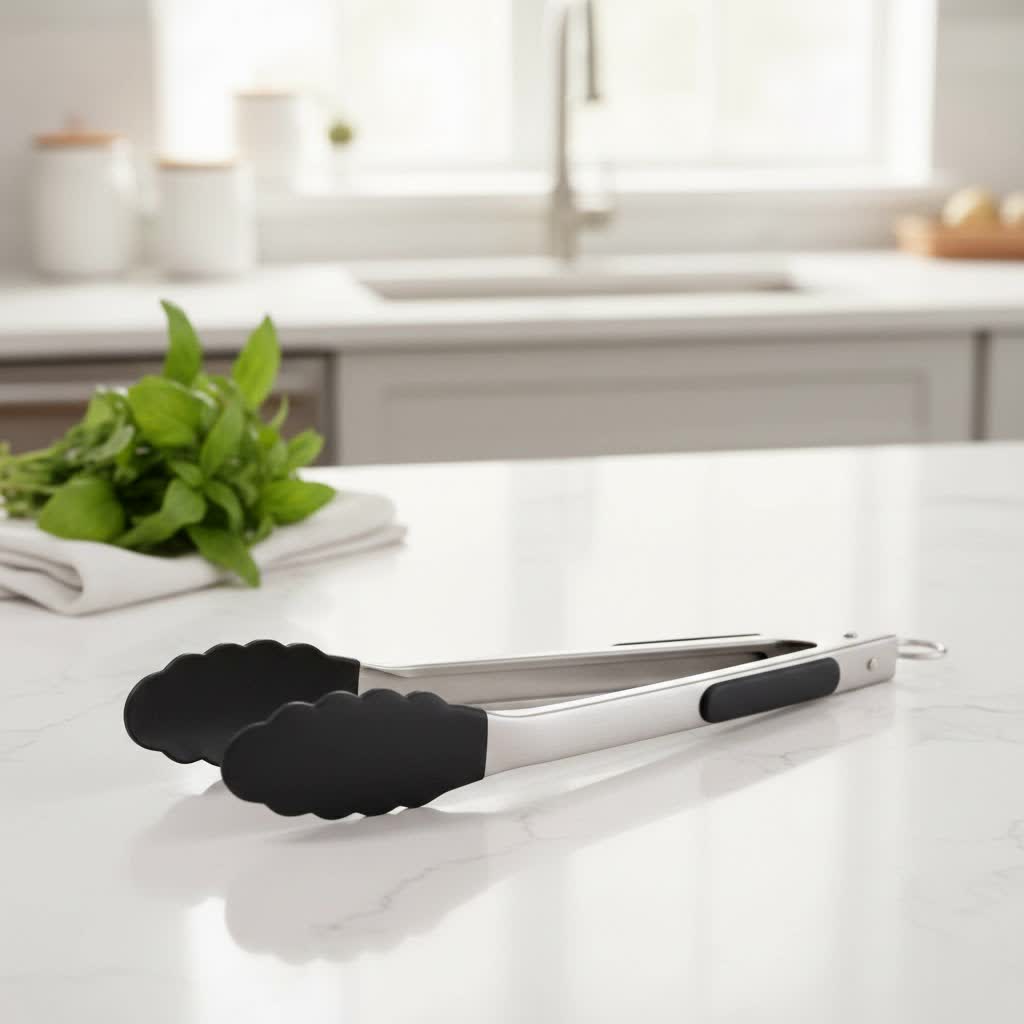
Have you ever found yourself fumbling with a spatula when a pair of tongs would have made the task effortless? Or perhaps you’ve scratched a beloved non-stick pan with the wrong utensil? As an Admin of reviewharu.com and a kitchen tool technician with over a decade of experience, I can tell you that kitchen tongs are far more diverse and indispensable than many realize. These humble heroes are an extension of your hands, offering precision, safety, and efficiency in countless culinary scenarios.
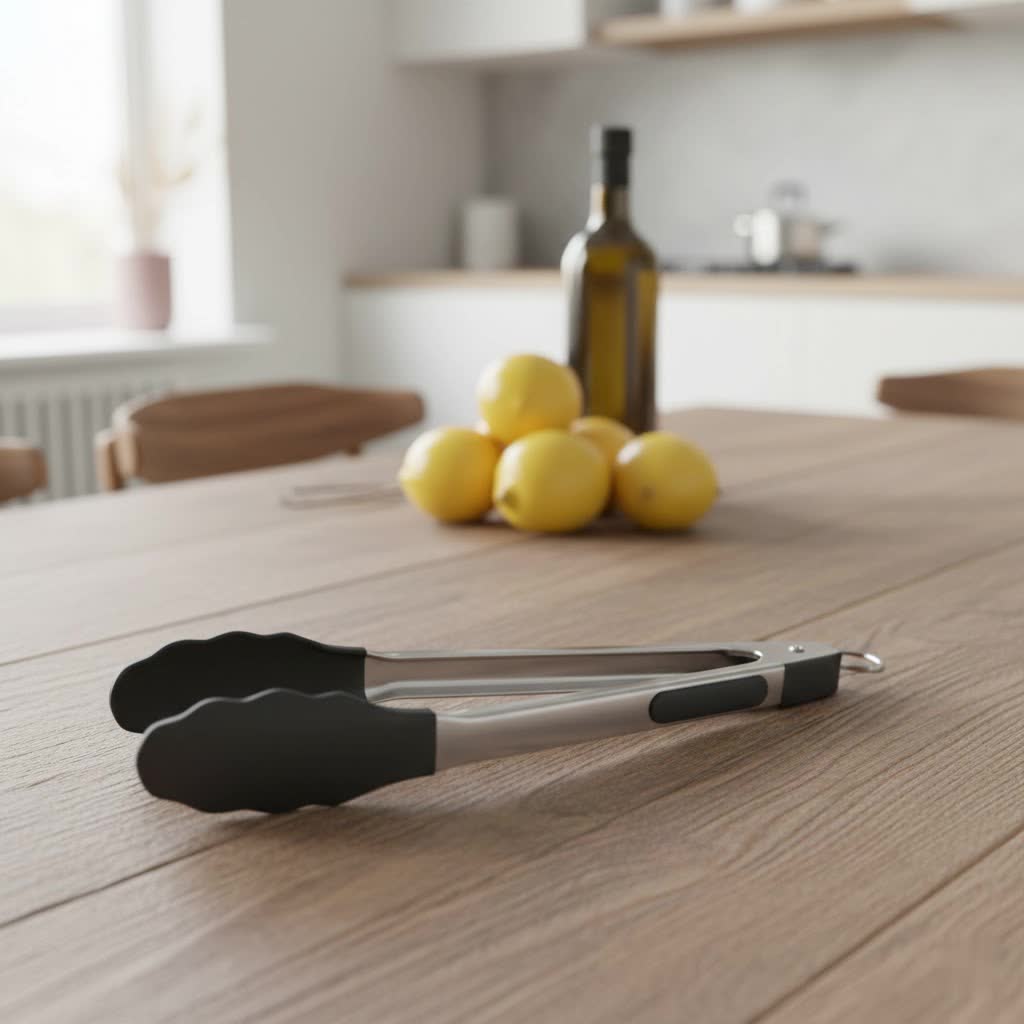
From flipping delicate fish to managing a bustling barbecue, choosing the right tongs can transform your cooking experience. This comprehensive guide will explore the fascinating world of kitchen tongs, helping you understand their various types, materials, and essential features so you can select the perfect set for your culinary adventures. Let’s dive into how these versatile tools can elevate your kitchen game.
The Essential Types of Kitchen Tongs for Every Culinary Task
Kitchen tongs come in a surprising array of designs, each engineered to excel at specific tasks. Understanding these variations is the first step to building a truly versatile kitchen arsenal.
Utility and Locking Tongs
These are the quintessential workhorses of any kitchen. Utility tongs are general-purpose tools, designed for a wide range of tasks from tossing vegetables to flipping chicken on the stovetop. They typically feature sturdy stainless steel construction with scalloped edges at the tips, providing a secure grip on most foods.
- Utility Tongs: Your everyday go-to for general cooking and serving. They are robust and reliable for various kitchen duties.
- Locking Tongs: An enhancement of utility tongs, these include a mechanism—often a sliding bar or a pull-tab at the end of the handle—to lock them closed when not in use. This feature makes them incredibly convenient for storage, saving precious drawer space and keeping them tidy.
|
Our Picks for the Best Kitchen Tongs in 2026
We may earn a commission when you use one of our links to make a purchase.
|
||
| Num | Product | Action |
|---|---|---|
| 1 | Kitchen Tongs with Silicone Tips, Tongs for Cooking Heat Resistant 600 Degrees Stainless Steel Locking Tong - 7" 9" & 12 inch Silicone Tong Non-Stick, Black Set of 3 |

|
| 2 | OXO Good Grips 9 Inch Stainless Steel Locking Tongs |
|
| 3 | HOTEC Premium Stainless Steel Locking Kitchen Tongs with Silicon Tips, Set of 2-9" and 12" |
|
| 4 | KitchenAid Stainless Steel Utility Tongs, 12 Inch |
|
| 5 | OXO Good Grips 2-Piece Tongs with Nylon Heads Set |
|
| 6 | OXO Good Grips 12-Inch Stainless-Steel Locking Tongs |
|
| 7 | OXO Good Grips 9-Inch Locking Tongs with Nylon Heads |
|
| 8 | Boxiki Kitchen Wooden Tongs for Cooking - Nonstick Kitchen Salad Tongs for Serving Food, Grilling, Cooking, BBQ and Tossing Salad - Made of Natural Walnut Wood, Size 12-inch |
|
| 9 | GORILLA GRIP Stainless Steel Heat Resistant Kitchen Tongs for Cooking, Set of 2 BBQ Tong, Non Scratch Silicone Tip for Pans, Strong Grip, Grab Food, Toss Salad, Air Fryer, Pull Lock, 7 + 9 Inch, Black |
|
| 10 | Tongs For Cooking - Heat Resistant 600 Degrees Stainless Steel Kitchen Tong,Heavy Duty Metal Locking Tongs - Perfect for Food,Salad and BBQ set of 3 (7",9" and 12") Dishwasher |
|
|
Our Picks for the Best Kitchen Tongs in 2026
We may earn a commission when you use one of our links to make a purchase.
|
||
| Num | Product | Action |
|---|---|---|
| 1 | OXO Good Grips 2-Piece Tongs with Nylon Heads Set |
|
| 2 | Tongs For Cooking - Heat Resistant 600 Degrees Stainless Steel Kitchen Tong,Heavy Duty Metal Locking Tongs - Perfect for Food,Salad and BBQ set of 3 (7",9" and 12") Dishwasher |
|
| 3 | Boxiki Kitchen Wooden Tongs for Cooking - Nonstick Kitchen Salad Tongs for Serving Food, Grilling, Cooking, BBQ and Tossing Salad - Made of Natural Walnut Wood, Size 12-inch |
|
| 4 | KitchenAid Stainless Steel Utility Tongs, 12 Inch |
|
| 5 | OXO Good Grips 9-Inch Locking Tongs with Nylon Heads |
|
| 6 | HOTEC Premium Stainless Steel Locking Kitchen Tongs with Silicon Tips, Set of 2-9" and 12" |
|
| 7 | GORILLA GRIP Stainless Steel Heat Resistant Kitchen Tongs for Cooking, Set of 2 BBQ Tong, Non Scratch Silicone Tip for Pans, Strong Grip, Grab Food, Toss Salad, Air Fryer, Pull Lock, 7 + 9 Inch, Black |
|
| 8 | OXO Good Grips 12-Inch Stainless-Steel Locking Tongs |
|
| 9 | OXO Good Grips 9 Inch Stainless Steel Locking Tongs |
|
| 10 | Kitchen Tongs with Silicone Tips, Tongs for Cooking Heat Resistant 600 Degrees Stainless Steel Locking Tong - 7" 9" & 12 inch Silicone Tong Non-Stick, Black Set of 3 |
|
Both types are often spring-loaded, providing a responsive and easy-to-control grip. They are a foundational piece in any kitchen, offering versatility and durability.
Grilling and BBQ Tongs
When the heat is on, especially outdoors, you need tongs that offer both reach and resilience. Barbecue and grilling tongs are specifically designed for high-heat environments.
- Extended Length: These tongs are significantly longer than standard utility tongs, typically ranging from 16 to 21 inches. This extended length is crucial for keeping your hands and arms a safe distance from hot grill grates and open flames.
- Robust Construction: Often made from heavy-gauge stainless steel to withstand intense heat without warping.
- Enhanced Grip: Many feature heat-resistant, non-slip handles (often silicone or rubber-coated) for comfortable and secure handling, even when greasy. Scalloped heads provide a firm grasp on hefty cuts of meat, corn on the cob, or large vegetables.
Silicone-Tipped Tongs
For those who cherish their non-stick cookware, silicone-tipped tongs are a game-changer. These tongs marry the strength and precision of a stainless steel body with the protective qualities of silicone.
- Non-Scratch: The soft, heat-resistant silicone tips prevent scratching and damage to delicate non-stick coatings, ceramic, and glass bakeware.
- Superior Grip: Silicone provides an excellent, non-slip grip, making them ideal for handling delicate or slippery foods like fish fillets, eggs, or vegetables without tearing or crushing them.
- High Heat Resistance: Quality silicone tips can often withstand temperatures up to 600°F, making them suitable for most stovetop cooking and even some grilling applications.
Nylon Tongs
Nylon tongs offer another excellent non-scratch option, often at a more budget-friendly price point than their silicone counterparts.
- Lightweight and Gentle: Crafted from a durable plastic polymer, nylon tongs are lightweight and exceptionally gentle on all types of cookware.
- Heat Resistant: They are generally heat-resistant up to around 400°F (204°C), making them suitable for many everyday cooking tasks, but caution is advised with prolonged exposure to very high heat.
- Affordable and Colorful: Often available in various colors, they can be a great option for color-coding in busy kitchens to prevent cross-contamination.
Pasta Tongs
Designed with a singular purpose in mind: gracefully handling slippery noodles.
- Specialized Ends: Pasta tongs typically feature long, slender arms with tooth-like, claw-shaped, or spoon-and-fork ends. This design allows them to effortlessly intertwine with and grip strands of spaghetti, fettuccine, or linguine without tearing or creating a tangled mess.
- Easy Serving: They make portioning and serving pasta from a boiling pot to a plate a clean and elegant affair.
Salad Tongs
Serving a beautifully tossed salad requires a tool that can handle delicate greens and heavier ingredients with equal finesse.
- Spoon and Spork Design: Traditional salad tongs often consist of two hinged arms, one ending in a spoon shape and the other in a spork. This combination allows for easy mixing and serving of a variety of salad components.
- Gentle Handling: They are designed to lift and serve without bruising delicate leaves or crushing other ingredients. Often made from stainless steel, plastic, or even wood.
Plating and Precision Tongs
For the culinary artist in you, or for tasks demanding meticulous control, plating tongs are indispensable.
- Tweezer-like Design: These small, slender tongs resemble oversized tweezers, featuring fine, pointed tips.
- Delicate Control: They offer unparalleled precision for arranging garnishes, placing small, delicate components, or even removing tiny bones from fish. Chefs use them for intricate plating to create visually stunning dishes.
Scissor Tongs
A unique design that offers exceptional grip and often one-handed operation.
- Scissor-Action Mechanism: Unlike traditional spring-loaded tongs, scissor tongs operate with two handles connected by a hinge, similar to a pair of scissors.
- Strong Grip: Their thin arms and square metal ends provide a powerful grip, making them ideal for handling bulkier or heavier items like steamed seafood, corn on the cob, or large roasted vegetables without fear of dropping them. They can also be useful for serving soft baked goods without denting.
Flat and Pastry Tongs
When handling delicate baked goods or fragile pastries, standard tongs can be too aggressive.
- Paddle-like Ends: Flat tongs feature wide, smooth, paddle-like ends that distribute pressure evenly. This design prevents damage to the texture, glazes, or delicate coatings of pastries, rolls, and flaky fish.
- Gentle Handling: They are perfect for carefully transferring cookies from a baking sheet, serving delicate tarts, or plating soft bread without leaving unsightly marks.
Ice Tongs
Beyond just ice, these small, specialized tongs are perfect for slippery items.
- Crow-Foot or Serrated Tips: Ice tongs typically have small, crow-foot shaped or serrated ends that provide a secure grip on individual, slippery ice cubes for cocktails and beverages.
- Versatile for Small Items: They are also excellent for grabbing garnishes like lemon wedges, olives, or small candies, adding a touch of elegance to drink service or dessert platters.
Choosing Your Perfect Pair: Key Factors to Consider
With so many options, how do you decide which kitchen tongs are right for you? Consider these crucial factors to make an informed choice that enhances your cooking and serving.
Material Matters
The material of your tongs dictates their durability, heat resistance, and suitability for different types of cookware.
- Stainless Steel: The ultimate in durability and heat resistance, ideal for grilling, searing, and heavy-duty tasks. Just be mindful that they can scratch non-stick surfaces.
- Silicone-Tipped: The best choice for protecting your non-stick pots and pans. They combine the strength of stainless steel with the gentle touch and excellent grip of silicone. Ensure the silicone is food-grade and BPA-free.
- Nylon: A lightweight and economical option that is safe for non-stick surfaces, but with a lower heat tolerance than silicone. Perfect for lighter cooking tasks and serving.
- Plastic: Primarily for serving cold or warm foods, particularly useful in buffet settings for hygiene and color-coding. Not recommended for high-heat cooking.
- Wood: Offers a rustic charm and is gentle on cookware, but requires more maintenance and is not suitable for high-heat cooking. Best for serving delicate items like salads.
Length for Every Task
Tong length directly impacts safety, reach, and control.
- 9-inch to 12-inch: These are your everyday champions. The 12-inch length is incredibly versatile, offering enough reach to keep your hands away from stovetop heat while maintaining precise control for flipping and stirring. Shorter 9-inch tongs are excellent for precision plating or handling smaller items.
- 16-inch to 22-inch: Essential for grilling and deep-frying. The extra-long handles provide a critical safety barrier against intense heat and splattering oil, allowing you to maneuver food on a barbecue or in a deep fryer with confidence.
Grip and Ergonomics
Comfort and control are paramount, especially during extended cooking sessions.
- Non-slip Handles: Look for tongs with rubberized, silicone-coated, or textured handles. These materials provide a secure grip, even when your hands are wet or greasy, significantly reducing the risk of accidental drops or burns.
- Ergonomic Design: Well-designed handles fit comfortably in your hand, minimizing fatigue. They should have a balanced weight – not too heavy to cause strain, but substantial enough to feel durable and capable of handling heavier foods.
- Spring Tension: The spring mechanism should offer just the right amount of tension – strong enough to hold food securely without requiring excessive force that tires your hand.
Locking Mechanisms & Storage
Efficient storage is key in any organized kitchen.
- Locking Feature: Many modern tongs include a locking mechanism (like a pull-ring or sliding tab) that keeps them closed when stored. This prevents them from splaying open in your drawer, saving space and reducing clutter.
- Hanging Loops: A small loop at the end of the handle allows you to hang your tongs on hooks or utensil racks, keeping them easily accessible.
- Head Elevation: Some innovative designs incorporate a rest or bend in the handle that keeps the tong tips elevated off your countertop, promoting hygiene and preventing messes.
Heat Resistance and Cookware Safety
Always match your tongs to your cooking method and cookware.
- High-Heat Applications: For grilling, deep-frying, or using with cast iron, choose stainless steel or high-temperature silicone-tipped tongs.
- Non-Stick Cookware: Silicone-tipped or nylon tongs are essential to protect the delicate surface of your non-stick pans from scratches and damage. Using metal tongs on non-stick can lead to flaking and shorten the lifespan of your cookware.
- Food-Grade Materials: Ensure any plastic or silicone components are certified food-grade and BPA-free for your health and safety.
Top Kitchen Tong Brands & Recommendations
When it comes to reliable and high-performing kitchen tongs, certain brands consistently stand out for their quality and thoughtful design.
| Brand | Model | Key Advantages | Considerations | Typical Price Range |
|---|---|---|---|---|
| OXO | Good Grips 12-inch | Sturdy, comfortable non-slip grip, easy-to-use locking mechanism, versatile. | Stainless steel version not for non-stick. | Mid-Range |
| OXO | Good Grips (Silicone) | All benefits of original, plus silicone tips protect non-stick, excellent grip. | Slightly higher price than steel. | Mid-Range |
| Misen | Silicone Tongs | Durable stainless steel core with protective silicone tips, excellent for heavy items. | Can be a bit bulkier/heavier. | Mid-Range |
| Cuisinart | Silicone-Tipped | Good balance of quality and value, effective non-stick protection. | Specific model features vary. | Mid-Range |
OXO Good Grips tongs are frequently lauded for their robust construction, comfortable handles, and reliable locking mechanisms. Their silicone-tipped versions are particularly popular for their ability to protect non-stick cookware while providing an excellent grip. Misen’s silicone tongs are also a strong contender, offering durability and effective non-stick compatibility. Cuisinart provides reliable silicone-tipped options that balance quality and affordability.
Mastering Your Tongs: Usage & Care Tips
Even the best tongs perform better with proper technique and care.
Safe and Effective Usage
- Match the Tong to the Task: Don’t use your delicate plating tongs for flipping a heavy steak, and avoid metal tongs on non-stick pans.
- Maintain a Secure Grip: Always ensure you have a firm, comfortable grip on the tongs before attempting to lift or flip food. If your hands are wet or greasy, use tongs with non-slip handles.
- Use Appropriate Length: For stovetop cooking, a 12-inch tong is often ideal for control. For grilling or reaching into deep ovens, opt for longer BBQ tongs to prevent burns.
- Prevent Cross-Contamination: If handling raw meat, poultry, or seafood, avoid using the same tongs for cooked foods or ready-to-eat ingredients without thorough washing. Consider using color-coded tongs for specific food groups.
Cleaning and Maintenance
Proper care extends the life of your kitchen tongs and ensures hygiene.
- Immediate Cleaning: Wash tongs soon after use to prevent food residue from drying and becoming difficult to remove.
- Hot, Soapy Water: Most tongs can be easily cleaned with hot, soapy water and a sponge or dishcloth.
- Dishwasher Safe: Many stainless steel and silicone-tipped tongs are dishwasher safe, making cleanup a breeze. Always check manufacturer instructions.
- Avoid Abrasive Cleaners: Do not use abrasive scouring pads or harsh chemical cleaners, especially on silicone or nylon tips, as these can damage the material or coatings.
- Thorough Drying: Ensure tongs are completely dry before storing to prevent water spots on stainless steel or mildew on wooden handles.
- Inspect Regularly: Periodically check your tongs for any signs of wear, such as loose rivets, weakened springs, or damaged silicone/nylon tips. Replace them if they show significant degradation to maintain performance and safety.
Where to Buy Kitchen Tongs
Finding quality kitchen tongs is easier than ever, with many reputable retailers offering a wide selection.
- Kitchenware Stores: Specialty kitchen stores often carry a curated selection of high-quality tongs from various brands, allowing you to handle and compare different models before purchasing.
- Department Stores: Major department stores typically have a kitchenware section with a good range of everyday and higher-end tongs.
- Online Retailers: Websites like Amazon, Williams Sonoma, Sur La Table, and the direct websites of brands like OXO or Misen offer extensive selections, competitive pricing, and customer reviews to guide your choice.
- Supermarkets/Hypermarkets: For basic or budget-friendly options, your local supermarket or hypermarket often has a selection of plastic, nylon, and basic stainless steel tongs.
When buying online, pay close attention to product descriptions, material specifications, and customer reviews to ensure you’re getting a product that meets your needs. Look for details on heat resistance, material safety (e.g., BPA-free), and locking mechanisms.
Conclusion
The world of kitchen tongs is surprisingly vast, offering specialized tools designed to make almost every culinary task safer, easier, and more enjoyable. From the versatile utility tong to the precise plating tong, the robust BBQ tong to the non-stick friendly silicone-tipped option, each type serves a unique purpose in your kitchen.
By understanding the different materials, ideal lengths, ergonomic designs, and essential features, you can confidently select the perfect tongs that act as a seamless extension of your hands. Investing in the right tongs not only prevents kitchen mishaps but also elevates your cooking efficiency and presentation. So, which type of kitchen tongs will you add to your collection next to master your culinary endeavors?
Câu Hỏi Thường Gặp
What are the main types of kitchen tongs?
The main types of kitchen tongs include utility/locking tongs for general use, BBQ/grilling tongs for high heat, silicone-tipped tongs for non-stick cookware, pasta tongs for noodles, salad tongs for serving greens, and plating tongs for precision. Each type is designed with specific features to optimize different culinary tasks.
Can I use metal tongs on non-stick pans?
It is strongly recommended to avoid using metal tongs on non-stick pans, as their rigid edges can scratch and damage the non-stick coating over time. Instead, opt for silicone-tipped or nylon tongs, which are designed to be gentle on delicate cookware surfaces while providing an effective grip.
What length of tongs is best for everyday cooking?
For most everyday cooking tasks, a 12-inch pair of kitchen tongs is considered the most versatile. This length provides a good balance of reach and control, keeping your hands safely away from heat sources on the stovetop while allowing for precise manipulation of food.
How do locking tongs work, and why are they useful?
Locking tongs feature a mechanism, typically a pull-ring or a sliding tab at the handle’s end, that holds the tongs in a closed position when not in use. This feature is useful for compact storage, as it prevents the tongs from splaying open in drawers, reducing clutter and making them easier to organize.
Are silicone tongs safe for high heat?
Yes, high-quality silicone-tipped tongs are generally safe for high-heat cooking. Many models can withstand temperatures up to 600°F (315°C), making them suitable for searing, grilling, and other hot cooking applications without melting or degrading. Always check the manufacturer’s specific heat resistance rating.