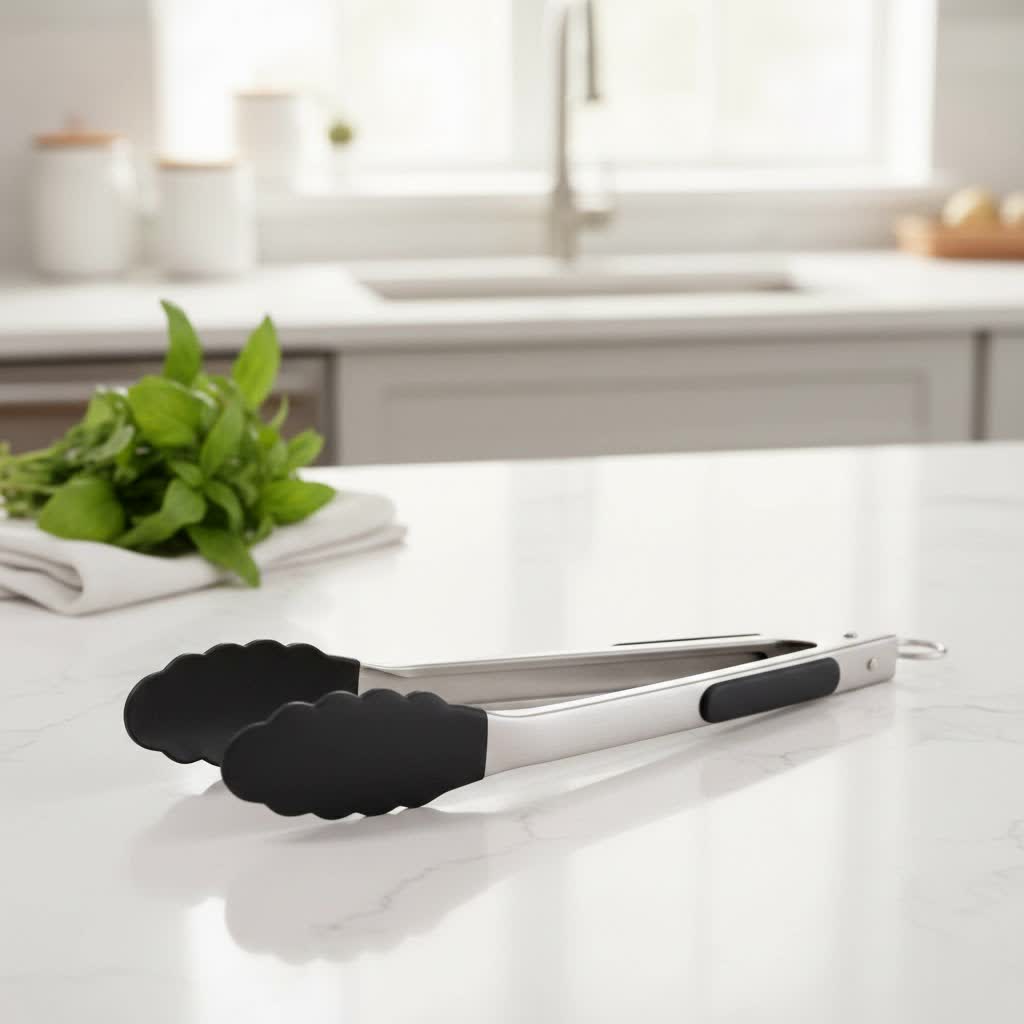
In the bustling heart of any kitchen, where culinary creativity flourishes, a humble tool often goes unnoticed yet plays an indispensable role: the kitchen tong. For over a decade, I’ve navigated the diverse world of these gripping gadgets, from basic models to high-tech wonders, testing countless designs to understand what truly makes them shine. Imagine trying to flip a delicate fish fillet, turn sizzling bacon, or artfully plate a gourmet dish without the right leverage—it’s a recipe for culinary chaos! This comprehensive guide will equip you with everything you need to know to select the perfect pair of kitchen tongs, transforming your cooking experience and ensuring you always have the ideal “extension of your hand.”
Unveiling the Diverse World of Kitchen Tongs
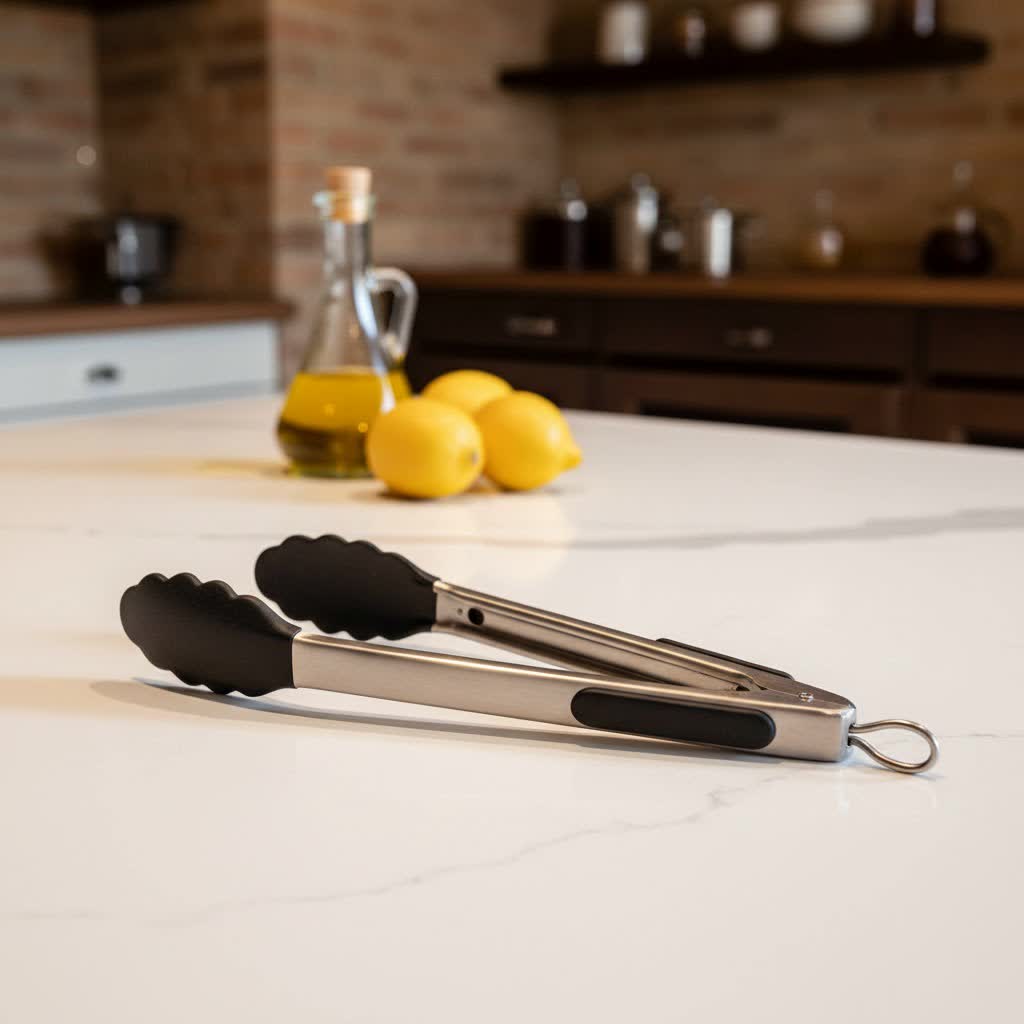
Kitchen tongs are far more varied than you might imagine, designed to tackle every conceivable culinary task with precision and ease. Understanding the different types available, based on their material, length, and mechanism, is the first step toward finding your perfect match. Each design brings its own set of advantages and considerations to the cooking battlefield.
Common Types of Kitchen Tongs by Material
The material of your kitchen tongs significantly impacts their durability, heat resistance, and suitability for various cookware. Choosing wisely can prevent scratches on your expensive non-stick pans or ensure a firm grip on heavy cuts of meat.
- Stainless Steel Tongs: These are the workhorses of the kitchen, renowned for their incredible durability and ability to withstand high temperatures. Ideal for grilling, searing, and handling heavy items, stainless steel tongs offer a firm grip, often with scalloped edges. However, their metal tips can scratch non-stick surfaces, so caution is advised.
- Silicone-Tipped Tongs: A favorite among home cooks and professional chefs alike, these tongs combine the strength of a stainless steel body with soft, heat-resistant silicone tips. The silicone provides excellent grip without damaging non-stick cookware or delicate foods. They are often safe for temperatures up to 500-600°F (260-315°C) and are easy to clean.
- Nylon Tongs: Lighter and typically more affordable, nylon tongs are suitable for non-stick cookware due to their gentle tips. However, they generally have lower heat resistance than silicone, often limited to around 400°F (200°C), making them less ideal for high-heat cooking like grilling. They can also degrade faster over time.
- Plastic Tongs: Primarily used for serving salads or handling cold items, plastic tongs are the most affordable option. They are not recommended for cooking due to low heat resistance and potential for melting or warping.
- Bamboo/Wood Tongs: Often seen as toaster tongs, these are gentle on surfaces but less durable and harder to clean thoroughly than other materials. They are best reserved for light, non-greasy tasks.
|
Our Picks for the Best Kitchen Tongs in 2026
We may earn a commission when you use one of our links to make a purchase.
|
||
| Num | Product | Action |
|---|---|---|
| 1 | KitchenAid Stainless Steel Utility Tongs, 12 Inch |

|
| 2 | OXO Good Grips 12-Inch Stainless-Steel Locking Tongs |
|
| 3 | OXO Good Grips 2-Piece Tongs with Nylon Heads Set |
|
| 4 | Tongs For Cooking - Heat Resistant 600 Degrees Stainless Steel Kitchen Tong,Heavy Duty Metal Locking Tongs - Perfect for Food,Salad and BBQ set of 3 (7",9" and 12") Dishwasher |
|
| 5 | GORILLA GRIP Stainless Steel Heat Resistant Kitchen Tongs for Cooking, Set of 2 BBQ Tong, Non Scratch Silicone Tip for Pans, Strong Grip, Grab Food, Toss Salad, Air Fryer, Pull Lock, 7 + 9 Inch, Black |
|
| 6 | HOTEC Premium Stainless Steel Locking Kitchen Tongs with Silicon Tips, Set of 2-9" and 12" |
|
| 7 | Kitchen Tongs with Silicone Tips, Tongs for Cooking Heat Resistant 600 Degrees Stainless Steel Locking Tong - 7" 9" & 12 inch Silicone Tong Non-Stick, Black Set of 3 |
|
| 8 | OXO Good Grips 9 Inch Stainless Steel Locking Tongs |
|
| 9 | Boxiki Kitchen Wooden Tongs for Cooking - Nonstick Kitchen Salad Tongs for Serving Food, Grilling, Cooking, BBQ and Tossing Salad - Made of Natural Walnut Wood, Size 12-inch |
|
| 10 | OXO Good Grips 9-Inch Locking Tongs with Nylon Heads |
|
|
Our Picks for the Best Kitchen Tongs in 2026
We may earn a commission when you use one of our links to make a purchase.
|
||
| Num | Product | Action |
|---|---|---|
| 1 | GORILLA GRIP Stainless Steel Heat Resistant Kitchen Tongs for Cooking, Set of 2 BBQ Tong, Non Scratch Silicone Tip for Pans, Strong Grip, Grab Food, Toss Salad, Air Fryer, Pull Lock, 7 + 9 Inch, Black |
|
| 2 | HOTEC Premium Stainless Steel Locking Kitchen Tongs with Silicon Tips, Set of 2-9" and 12" |
|
| 3 | OXO Good Grips 9 Inch Stainless Steel Locking Tongs |
|
| 4 | OXO Good Grips 9-Inch Locking Tongs with Nylon Heads |
|
| 5 | Boxiki Kitchen Wooden Tongs for Cooking - Nonstick Kitchen Salad Tongs for Serving Food, Grilling, Cooking, BBQ and Tossing Salad - Made of Natural Walnut Wood, Size 12-inch |
|
| 6 | OXO Good Grips 12-Inch Stainless-Steel Locking Tongs |
|
| 7 | KitchenAid Stainless Steel Utility Tongs, 12 Inch |
|
| 8 | Tongs For Cooking - Heat Resistant 600 Degrees Stainless Steel Kitchen Tong,Heavy Duty Metal Locking Tongs - Perfect for Food,Salad and BBQ set of 3 (7",9" and 12") Dishwasher |
|
| 9 | OXO Good Grips 2-Piece Tongs with Nylon Heads Set |
|
| 10 | Kitchen Tongs with Silicone Tips, Tongs for Cooking Heat Resistant 600 Degrees Stainless Steel Locking Tong - 7" 9" & 12 inch Silicone Tong Non-Stick, Black Set of 3 |
|
Types of Tongs by Length and Mechanism
Beyond material, the length and operational mechanism of tongs are crucial for comfort, control, and suitability for specific cooking scenarios.
- Utility/Locking Tongs: These are the most common general-purpose tongs, featuring a spring-loaded mechanism and often a locking ring or pull-tab for compact storage. They typically come in 9-inch, 12-inch, and 16-inch lengths. The 9-inch or 12-inch sizes are versatile for most stovetop and serving tasks, while longer 16-inch versions are indispensable for grilling to keep your hands safely away from intense heat.
- Scissor Tongs: With two separate handles that operate like scissors, these are excellent for handling bulkier items like whole chickens or corn on the cob. They offer a powerful grip, though some users find them less ergonomic for prolonged use compared to spring-loaded designs.
- Flat-Edged/Pastry Tongs: Featuring paddle-like ends, these tongs are perfect for delicately handling baked goods, thin pancakes, or fragile fish fillets without tearing or crushing them. Their design maximizes contact area for gentle lifting.
- Plating/Precision Tongs: Tweezer-like in appearance, these small, slender tongs are designed for intricate tasks like garnishing, bone removal from fish, or precise food arrangement on a plate. They offer unparalleled control for delicate work.
- Salad Tongs: Often made as a one-piece design with spoon and fork ends, these are specifically for tossing and serving salads.
- Ice Tongs: Small and designed with “crow feet” or serrated ends, they provide a secure grip on slippery ice cubes.
Essential Factors for Choosing Your Perfect Kitchen Tongs
Selecting the best kitchen tongs isn’t just about picking the first pair you see. It involves considering several key factors that influence performance, safety, and longevity. As a seasoned technician, I’ve learned that overlooking these details can lead to frustration in the kitchen.
Material: The Foundation of Performance
The material of your tongs dictates their heat resistance, durability, and compatibility with your cookware.
- Safety and Hygiene: Always prioritize food-grade materials that are BPA-free, especially for silicone and plastic components. Stainless steel is inherently safe and hygienic.
- Durability and Heat Resistance: For cooking, stainless steel and high-quality silicone are paramount. Stainless steel tongs are virtually indestructible and can handle extreme heat. Silicone tips are crucial for protecting non-stick surfaces, with good quality silicone enduring temperatures up to 600°F. Avoid nylon for high-heat tasks to prevent melting or warping.
- Ease of Cleaning: Smooth materials like stainless steel and silicone are generally easy to clean. Look for designs with minimal crevices where food can get trapped. Dishwasher-safe tongs offer maximum convenience.
Size and Length: Matching Tongs to Task
The right length makes all the difference in comfort and safety.
- Purpose-Driven Lengths:
- 9-12 inches: Your everyday heroes for stovetop cooking, tossing salads, and serving. They offer good control and are easy to maneuver in pans and bowls.
- 16+ inches: Essential for grilling, deep-frying, or reaching into hot ovens. The extra length keeps your hands safely away from intense heat sources.
- Mini Tongs (5-7 inches): Perfect for delicate tasks, serving appetizers, pulling toast from a toaster, or handling small garnishes.
- Comfort and Control: The tongs should feel balanced and comfortable in your hand, allowing for precise control without straining your wrist, regardless of their length.
Locking Mechanism: Convenience and Storage
A good locking mechanism is a game-changer for both usability and storage.
- Ease of Operation: Look for a mechanism that can be easily engaged and disengaged with one hand, even if your other hand is busy or messy. Many prefer the simple pull-tab design found on popular brands like OXO.
- Durability of Spring/Joint: The spring or pivot point is critical. A robust, durable spring ensures consistent tension and responsiveness over time. Avoid flimsy designs that feel stiff or lose tension quickly.
- Storage Efficiency: A reliable locking mechanism keeps tongs closed, making them much easier to store in drawers or hang on hooks without springing open and cluttering your space.
Handle and Grip: Ergonomics for Extended Use
Comfortable and secure handles prevent fatigue and ensure safety.
- Non-Slip Materials: Handles with silicone, rubber, or textured stainless steel provide a superior grip, even with wet or greasy hands. Smooth, polished metal can become slippery.
- Ergonomic Design: A well-designed handle fits comfortably in your hand, reducing strain during extended use. Some designs include thumb rests or contoured shapes for added comfort.
- Heat Resistance: For cooking tongs, ensure the handle material itself can withstand heat, especially for BBQ tongs where direct heat exposure might occur.
Heat Resistance: A Non-Negotiable for Cooking
This factor is self-explanatory but often overlooked.
- Matching to Cooking Method: If you’re using tongs for high-heat searing, grilling, or deep-frying, their heat resistance must be paramount. Stainless steel and high-grade silicone are your best bets.
- Preventing Damage: Insufficient heat resistance can lead to melting, warping, or chemical leaching, compromising both your food and your health.
Comparing Top Kitchen Tongs Brands
The market is flooded with options, but a few brands consistently stand out for their quality, innovation, and user satisfaction. When it comes to kitchen tools, investing in a reputable brand often pays off in terms of durability and performance.
- OXO: Widely praised for its “Good Grips” line, OXO tongs are frequently cited as top performers. They are known for comfortable non-slip handles, sturdy stainless steel construction, and reliable locking mechanisms. Their silicone-tipped versions are excellent for non-stick cookware.
- Misen: Misen has gained popularity for its well-designed, durable kitchen tools. Their silicone tongs are often highlighted for being robust, gentle on pans, and easy to clean, proving to be a versatile choice for various cooking tasks.
- KitchenAid: A household name in kitchenware, KitchenAid offers reliable and aesthetically pleasing tongs that are generally durable and functional, though sometimes less specialized in features compared to dedicated tong brands.
- Rösle: For those seeking premium quality and design, Rösle offers high-end stainless steel tongs. They are known for their exceptional craftsmanship, precision, and robust build, often at a higher price point.
- Cuisinart: Cuisinart provides a range of kitchen tongs, including popular silicone-tipped models that offer good value and performance for everyday cooking.
Detailed Comparison of Popular Kitchen Tongs
| Brand | Model (Example) | Primary Material | End Material | Key Advantages | Potential Drawbacks | Price Range (Approx.) |
|---|---|---|---|---|---|---|
| OXO | Good Grips 12-inch | Stainless Steel | Stainless/Silicone | Excellent grip, comfortable handle, reliable lock | Stainless can scratch non-stick | $$ |
| Misen | Silicone Tongs | Stainless Steel | Silicone | Very durable, gentle on pans, strong grip | Can be bulkier than some | $$ |
| KitchenAid | Classic Utility Tongs | Stainless Steel | Stainless/Nylon | Attractive design, good general utility | Fewer specialized features | $ |
| WMF | Profi Plus | Stainless Steel | Stainless | High-quality, elegant, extremely durable | Higher price point, no silicone option | $$$ |
| Cuisinart | Silicone-Tipped Tongs | Stainless Steel | Silicone | Good value, effective for non-stick | Durability can vary | $ |
(Price Range: $: under $15, $$: $15-$30, $$$: over $30)
Mastering Your Kitchen Tongs: Usage and Care
Even the best kitchen tongs will underperform if not used and maintained correctly. Think of them as an extension of your hand – proper technique enhances your cooking, and proper care extends their life.
Effective and Safe Usage Tips
- Match the Tong to the Task: Use silicone-tipped tongs for non-stick pans and delicate foods to prevent scratches and damage. Reserve stainless steel for sturdy items, high-heat cooking, and grilling.
- Grip, Don’t Crush: Apply just enough pressure to securely hold the food. Over-squeezing can damage delicate items or cause food to slip.
- Mind the Length: Use shorter tongs for precise stovetop work and longer ones for grilling to maintain a safe distance from heat.
- Practice Precision: For items like individual asparagus spears or small shrimp, use the very tips of your tongs for maximum control. For larger items, use the full gripping surface.
“A great pair of tongs feels like a natural extension of your hand, allowing you to manipulate food with confidence and precision. It’s about seamless control, not brute force.” – Admin, Reviewharu.com, Kitchen Tool Expert
Cleaning and Storage for Longevity
Proper care ensures your tongs remain hygienic and functional for years.
- Immediate Cleaning: Wash tongs soon after use to prevent food from drying and sticking, making cleanup easier.
- Dishwasher vs. Hand Wash: Most stainless steel and silicone tongs are dishwasher safe. For tongs with intricate designs or wooden handles, hand washing is usually recommended to preserve their integrity.
- Thorough Drying: Always dry your tongs completely before storing to prevent water spots and rust, especially on stainless steel models.
- Smart Storage: Utilize the locking mechanism to keep tongs closed, saving drawer space. Hanging them from a loop on a utensil rack is another excellent way to keep them accessible and organized.
Top Kitchen Tongs for Every Culinary Need
While individual preferences vary, some types and brands consistently receive high marks for their versatility and performance.
- Best All-Around: A 12-inch stainless steel tong with silicone tips, featuring a reliable locking mechanism and comfortable grip, is arguably the most versatile choice for any home cook. It handles everything from flipping chicken breasts to serving pasta.
- For the Grill Master: Look for long (16-18 inches) heavy-duty stainless steel BBQ tongs with heat-resistant handles and a robust spring for managing large cuts of meat over intense flames.
- For Delicate Dishes: Smaller, flatter-ended tongs, possibly with silicone or nylon tips, are ideal for carefully turning fish, pancakes, or assembling delicate appetizers without damage.
- Budget-Friendly Excellence: Several brands offer excellent value tongs under $20 that still deliver on durability and performance, especially if you prioritize basic stainless steel or silicone-tipped utility models.
Where to Purchase Reliable Kitchen Tongs
Finding the right tongs means knowing where to look for quality and good value.
- Online Retailers: Websites like Amazon, Williams Sonoma, or specialty kitchenware sites offer a vast selection, competitive pricing, and user reviews that can guide your decision. Always check seller reputation and return policies.
- Specialty Kitchen Stores: Stores like Sur La Table or local kitchen supply shops allow you to physically handle the tongs, assessing their weight, grip, and feel before purchasing. This is invaluable for gauging comfort and build quality.
- Department Stores: Major department stores often carry reputable brands like KitchenAid and Cuisinart, providing a convenient option for popular models.
Your Ultimate Kitchen Tongs Buying Guide
Navigating the options can feel overwhelming, but a systematic approach ensures you land on the perfect pair.
- Identify Your Primary Needs: Are you mainly grilling, flipping eggs, serving salads, or a mix of everything? Your most frequent use cases should dictate your choice.
- Prioritize Material: If you have non-stick pans, silicone tips are a must. For high-heat tasks and durability, stainless steel is king.
- Consider Length: A 9-inch or 12-inch pair is great for general cooking, while a longer pair is essential for grilling or deep-frying safety.
- Test the Grip and Mechanism: If possible, hold the tongs. Do they feel comfortable and balanced? Can you easily open, close, and lock them with one hand? Check the spring tension.
- Read Reviews: Leverage the experience of other users. Look for consistent feedback on durability, ease of use, and heat resistance.
- Set a Budget: Quality tongs don’t always have to be expensive, but understand that premium materials and design often come with a higher price tag.
Conclusion
Kitchen tongs are far more than simple utensils; they are an indispensable extension of any cook’s hands, enabling precision, safety, and efficiency in countless culinary tasks. From the robust grip of stainless steel for grilling to the gentle embrace of silicone for delicate pastries, the right pair can profoundly elevate your kitchen experience. By carefully considering material, length, locking mechanisms, and handle comfort, you can select tongs that not only meet your needs but also become trusted companions for years to come. So, which essential pair of kitchen tongs will you add to your culinary toolkit next to unlock new levels of cooking mastery?
Frequently Asked Questions
What are the main types of kitchen tongs?
The main types of kitchen tongs are distinguished by material (stainless steel, silicone-tipped, nylon) and function (utility/locking, BBQ, serving, plating, scissor). Each is designed for specific tasks, from handling delicate foods to heavy grilling items, offering varying levels of heat resistance and grip strength.
How do I choose the right length for my kitchen tongs?
Choose the length based on your primary use. 9-12 inch tongs are ideal for most stovetop cooking and serving, offering good control. For grilling or deep-frying, opt for longer 16-18 inch tongs to keep your hands safe from extreme heat and provide better reach.
Are silicone-tipped tongs better than stainless steel?
Neither is inherently “better”; they serve different purposes. Silicone-tipped tongs are excellent for non-stick cookware and delicate foods as they prevent scratches and offer a gentle grip. Stainless steel tongs are more durable, handle higher heat, and provide a firmer grip for heavy items, but can scratch non-stick surfaces.
What features should I look for in a good pair of kitchen tongs?
Look for durable, food-grade materials (stainless steel, high-quality silicone), a comfortable non-slip grip, a reliable one-handed locking mechanism for easy storage, and appropriate length for your intended tasks. Heat resistance is also crucial for cooking applications to ensure safety and longevity.
How do I clean and maintain my kitchen tongs?
Most kitchen tongs made from stainless steel and silicone are dishwasher safe for easy cleaning. For hand washing, use hot, soapy water and dry them thoroughly to prevent water spots or rust. Avoid abrasive cleaners, especially on silicone or nylon tips, to maintain their integrity.