Have you ever found yourself wrestling with a flimsy pair of tongs, dropping food, or scratching your favorite non-stick pan? The right kitchen tongs can transform your cooking experience, turning tricky maneuvers into effortless motions. But with a dizzying array of options, understanding Kitchen Tongs Price points and what truly constitutes value can be a challenge. As an experienced kitchenware technician with over a decade specializing in these essential tools, I’m here to guide you through the world of kitchen tongs pricing, helping you find the perfect pair that fits your budget and elevates your culinary game.
Types of Kitchen Tongs and How They Impact Price
The material and design of kitchen tongs are primary drivers of their cost, reflecting differences in durability, functionality, and specific applications.
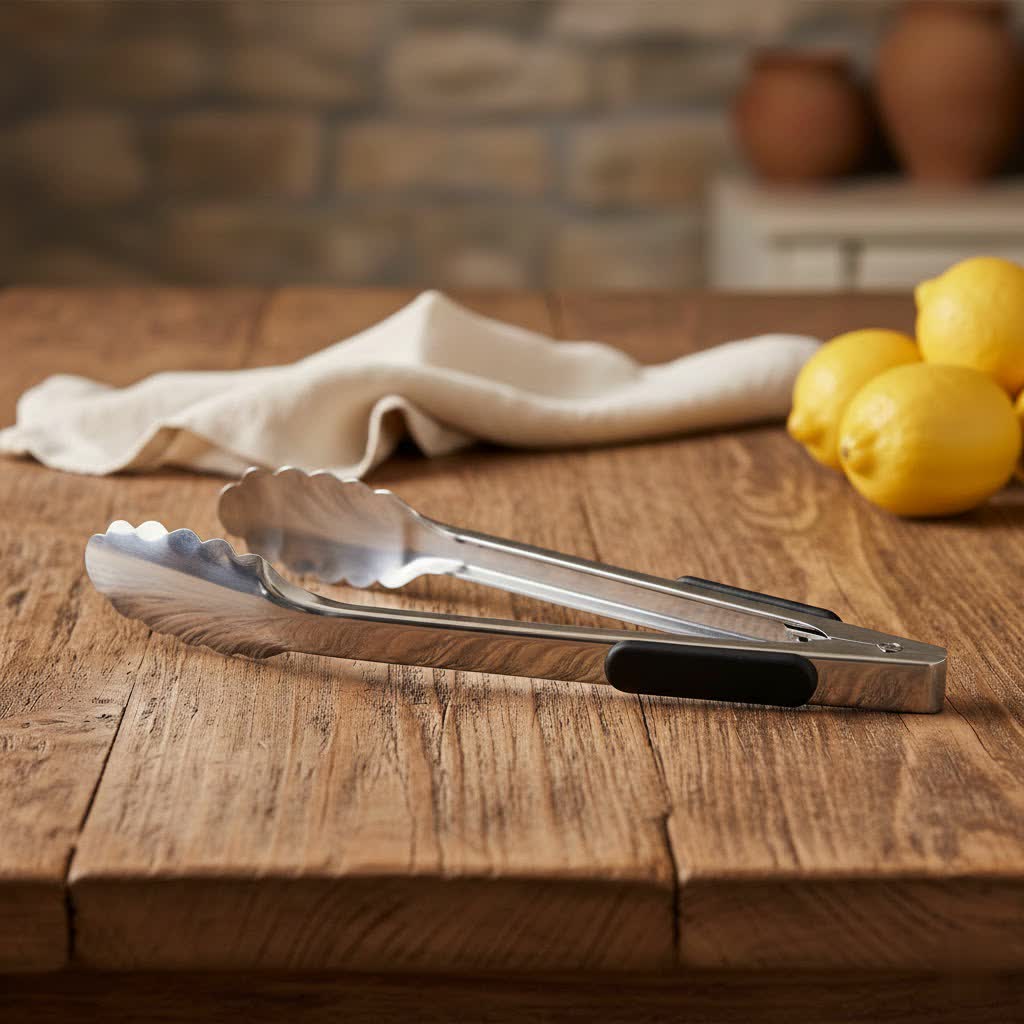
- Stainless Steel Tongs: These are the workhorses of the kitchen, prized for their strength, heat resistance, and longevity. Expect variations in price based on the gauge (thickness) and quality of the stainless steel. Heavier gauge stainless steel provides superior durability and a more substantial feel, often commanding a slightly higher price.
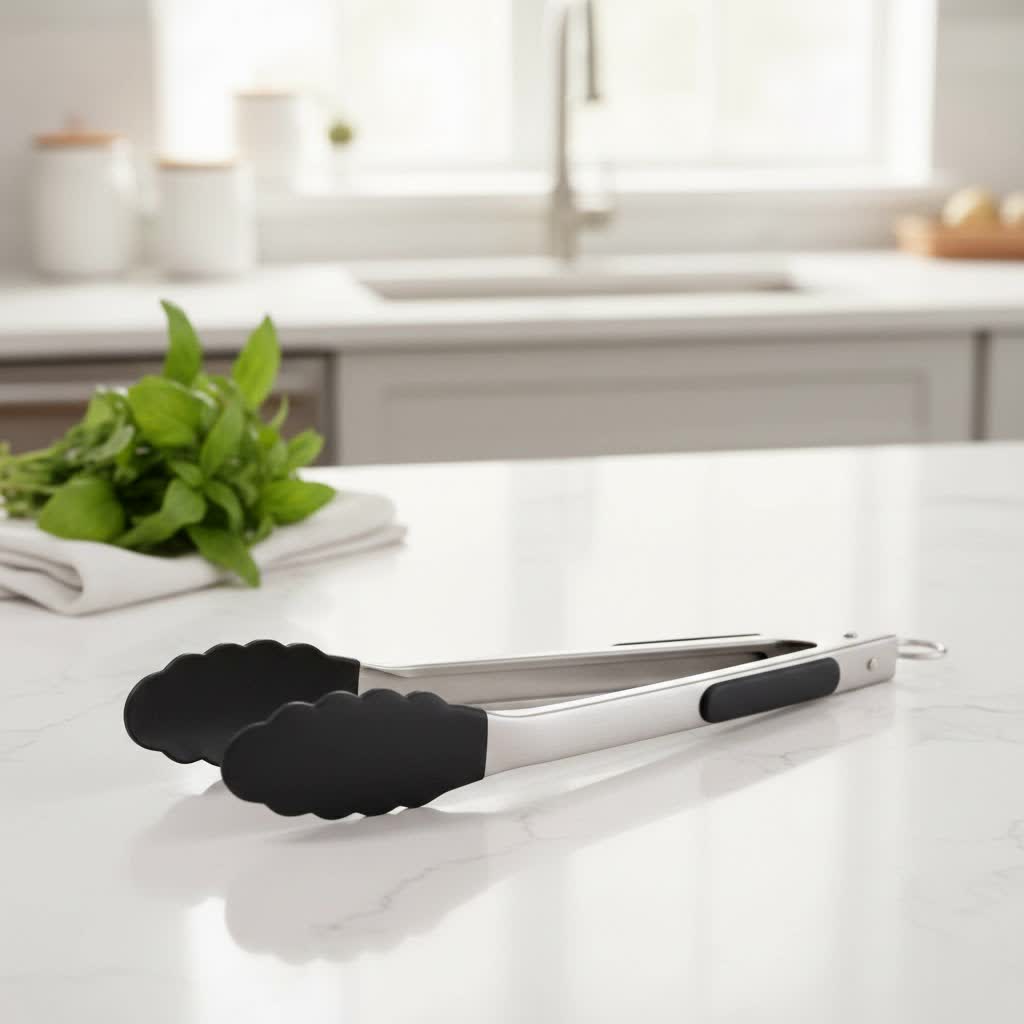
- Silicone-Tipped Tongs: Designed to protect non-stick cookware from scratches, these tongs feature heat-resistant silicone heads over a stainless steel core. The addition of food-grade silicone usually places them in a slightly higher price bracket than basic all-stainless steel versions, especially if the silicone is high-quality and rated for extreme temperatures. They are essential for preserving expensive cookware.
- Nylon Tongs: Lighter and generally more affordable, nylon tongs are also safe for non-stick surfaces. However, their heat resistance is typically lower than silicone, making them better suited for lighter tasks and lower temperatures. Their price point usually sits at the lower end of the spectrum.
- Specialized Tongs: From extra-long grilling tongs to delicate pastry tongs or simple bamboo toast tongs, specialized designs cater to unique needs. These might incorporate unique materials, sophisticated locking mechanisms, or ergonomic features that influence their overall cost.
Important Factors Influencing Kitchen Tongs Price
Beyond basic material, several other elements contribute to the final price tag of kitchen tongs. Understanding these can help you identify where to invest and where you might save.
Material Quality and Construction
|
Our Picks for the Best Kitchen Tongs in 2026
We may earn a commission when you use one of our links to make a purchase.
|
||
| Num | Product | Action |
|---|---|---|
| 1 | HOTEC Premium Stainless Steel Locking Kitchen Tongs with Silicon Tips, Set of 2-9" and 12" |

|
| 2 | Kitchen Tongs with Silicone Tips, Tongs for Cooking Heat Resistant 600 Degrees Stainless Steel Locking Tong - 7" 9" & 12 inch Silicone Tong Non-Stick, Black Set of 3 |
|
| 3 | KitchenAid Stainless Steel Utility Tongs, 12 Inch |
|
| 4 | OXO Good Grips 9 Inch Stainless Steel Locking Tongs |
|
| 5 | OXO Good Grips 2-Piece Tongs with Nylon Heads Set |
|
| 6 | OXO Good Grips 9-Inch Locking Tongs with Nylon Heads |
|
| 7 | Boxiki Kitchen Wooden Tongs for Cooking - Nonstick Kitchen Salad Tongs for Serving Food, Grilling, Cooking, BBQ and Tossing Salad - Made of Natural Walnut Wood, Size 12-inch |
|
| 8 | OXO Good Grips 12-Inch Stainless-Steel Locking Tongs |
|
| 9 | GORILLA GRIP Stainless Steel Heat Resistant Kitchen Tongs for Cooking, Set of 2 BBQ Tong, Non Scratch Silicone Tip for Pans, Strong Grip, Grab Food, Toss Salad, Air Fryer, Pull Lock, 7 + 9 Inch, Black |
|
| 10 | Tongs For Cooking - Heat Resistant 600 Degrees Stainless Steel Kitchen Tong,Heavy Duty Metal Locking Tongs - Perfect for Food,Salad and BBQ set of 3 (7",9" and 12") Dishwasher |
|
|
Our Picks for the Best Kitchen Tongs in 2026
We may earn a commission when you use one of our links to make a purchase.
|
||
| Num | Product | Action |
|---|---|---|
| 1 | Boxiki Kitchen Wooden Tongs for Cooking - Nonstick Kitchen Salad Tongs for Serving Food, Grilling, Cooking, BBQ and Tossing Salad - Made of Natural Walnut Wood, Size 12-inch |
|
| 2 | OXO Good Grips 9-Inch Locking Tongs with Nylon Heads |
|
| 3 | OXO Good Grips 12-Inch Stainless-Steel Locking Tongs |
|
| 4 | OXO Good Grips 9 Inch Stainless Steel Locking Tongs |
|
| 5 | HOTEC Premium Stainless Steel Locking Kitchen Tongs with Silicon Tips, Set of 2-9" and 12" |
|
| 6 | GORILLA GRIP Stainless Steel Heat Resistant Kitchen Tongs for Cooking, Set of 2 BBQ Tong, Non Scratch Silicone Tip for Pans, Strong Grip, Grab Food, Toss Salad, Air Fryer, Pull Lock, 7 + 9 Inch, Black |
|
| 7 | OXO Good Grips 2-Piece Tongs with Nylon Heads Set |
|
| 8 | Kitchen Tongs with Silicone Tips, Tongs for Cooking Heat Resistant 600 Degrees Stainless Steel Locking Tong - 7" 9" & 12 inch Silicone Tong Non-Stick, Black Set of 3 |
|
| 9 | Tongs For Cooking - Heat Resistant 600 Degrees Stainless Steel Kitchen Tong,Heavy Duty Metal Locking Tongs - Perfect for Food,Salad and BBQ set of 3 (7",9" and 12") Dishwasher |
|
| 10 | KitchenAid Stainless Steel Utility Tongs, 12 Inch |
|
High-quality stainless steel, often indicated by a heavier weight (around 4.5 to 5.5 oz for 9-12 inch tongs), typically signifies better construction and durability. Poor quality metal can bend or break quickly, making very cheap options a false economy. Industrial-grade coil springs in locking mechanisms, robust rivets, and seamless finishes all speak to superior craftsmanship and justify a higher price.
Size and Length
The length of your tongs directly relates to their intended use and can affect the price. Shorter tongs (7-9 inches) are ideal for serving and precise tasks, while medium (10-12 inches) are versatile for everyday cooking. Longer tongs (14-16+ inches) are crucial for grilling, keeping your hands safe from intense heat. Generally, longer tongs require more material and often more robust construction, leading to a slightly higher price.
Locking Mechanism
A reliable, one-handed locking mechanism is a coveted feature. Tongs with a smooth, durable locking pin that engages and disengages easily tend to be found in the mid to higher price ranges. Flimsy or poorly designed locks can be frustrating and prone to breaking, often found in very inexpensive models.
Handle Design and Grip
Comfortable, non-slip handles, often made with silicone or rubberized inserts, improve usability and reduce hand fatigue during prolonged use. While adding to the manufacturing cost, these ergonomic features enhance the cooking experience and are worth considering for daily use. Purely metal handles, while durable, can become slippery when wet or greasy.
Heat Resistance
For cooking over high heat, such as grilling or deep-frying, superior heat resistance is non-negotiable. Silicone and nylon tips vary in their maximum temperature ratings. Tongs designed for very high temperatures will use more advanced materials or coatings, influencing their price. Always check the heat resistance if you plan to use them in hot environments.
Brand Reputation and Warranty
Established brands like OXO, Misen, KitchenAid, and WMF have built reputations for quality and often offer warranties, which can provide peace of mind. While their products might have a higher initial cost, they often represent a better long-term investment due to their durability and customer support. Generic brands can offer competitive prices, but consistency in quality may vary.
Understanding Kitchen Tongs Price Ranges
Kitchen tongs typically fall into three broad price categories, each offering a different balance of quality and features.
Budget-Friendly (Under $10)
In this category, you’ll find basic stainless steel tongs, often sold in sets, or simple nylon/silicone-tipped options. Quality can be inconsistent. While you might find a durable basic pair at a restaurant supply store for under $5, many consumer-grade tongs in this range can be lightweight, have flimsy locking mechanisms, or wear out quickly. These are best for occasional use or for specific, less demanding tasks.
Mid-Range ($10 – $25)
This is often considered the “sweet spot” for kitchen tongs, offering a good balance of quality, durability, and features without breaking the bank. Here you’ll find reputable brands offering robust stainless steel tongs, often with high-quality silicone tips and ergonomic handles. Many best-selling sets of 2-3 tongs fall into this range, providing excellent value for everyday cooking and grilling. Expect reliable locking mechanisms and good heat resistance.
Premium/High-End (Over $25)
At the higher end, prices can range from $25 to over $40 for a single pair. These tongs often feature advanced materials, precision engineering, sophisticated aesthetics, or highly specialized designs. Brands like Rösle or Material Kitchen offer premium options with exceptional durability, superior grip, and often a more refined user experience. These are often chosen by professional chefs or home cooks looking for a specific high-performance tool or a lifetime investment.
Comparing Popular Kitchen Tongs Brands by Price and Features
When exploring kitchen tongs, certain brands consistently receive high marks for quality and innovation. Here’s a brief look at some popular names and their typical offerings, keeping price in mind.
| Brand | Typical Models | Advantages | Disadvantages | Estimated Price (Single Pair) |
|---|---|---|---|---|
| OXO | Good Grips Stainless Steel/Silicone Tongs | Comfortable grip, durable, reliable lock | Can be bulky for smaller hands | $14 – $18 |
| Misen | Silicone Tongs | Extremely durable, excellent grip, scratch-safe | Heavier, slightly bulkier | $19 |
| KitchenAid | Classic Tongs | Aesthetic design, decent durability | Less innovative features | $10 – $15 |
| WMF | Profi Plus Tongs | High-quality stainless, excellent heat resistance | Higher price point | $25 – $40+ |
| Rösle | Stainless Steel One-Handed Locking Tongs | Premium build, smooth action, elegant design | Significant investment | $30 – $45+ |
Getting the Best Value: Tips for Smart Buying
Choosing the right kitchen tongs involves more than just looking at the price tag. Here are some expert tips to ensure you get the best value for your money:
- Define Your Needs: Consider your primary uses. Are they for grilling, delicate pastry, or everyday cooking? This will help determine the necessary length, material, and grip style, preventing overspending on features you don’t need or under-investing in crucial ones.
- Prioritize Construction Over Features (for budget buys): If you’re on a tight budget, focus on solid construction (heavy gauge metal, sturdy hinge) over fancy locking mechanisms or colored silicone. A basic, well-built pair will outperform a feature-rich, flimsy one any day.
- Consider Sets for Value: Many retailers offer sets of two or three tongs in varying lengths (e.g., 9-inch and 12-inch). These sets often provide better per-unit value than buying individual tongs and equip you for a wider range of tasks.
- Read Reviews and Expert Recommendations: Leverage reviews from reputable culinary sites and expert testers. They often highlight durability issues, comfort, and real-world performance that aren’t apparent from product descriptions alone.
- Shop Around: Prices can vary significantly between online retailers, big-box stores, and specialty kitchenware shops. For basic, robust stainless steel tongs, consider restaurant supply stores, which often carry professional-grade tools at competitive prices.
Using and Maintaining Your Tongs for Longevity
To maximize the value of your kitchen tongs, proper usage and maintenance are key. Always choose the right tongs for the task; metal tongs can scratch non-stick surfaces, so opt for silicone or nylon tips when working with coated pans. After use, clean your tongs promptly according to the manufacturer’s instructions. Most stainless steel and silicone tongs are dishwasher safe, making cleanup a breeze. Proper storage, often using their locking mechanism to keep them closed, can prevent damage and save drawer space, extending their lifespan and ensuring they’re ready for your next culinary adventure.
Top Kitchen Tongs at Different Price Points
For those seeking specific recommendations, here are examples of highly-rated tongs across various price categories:
- Best Budget Option: A basic set of 304 Stainless Steel Kitchen Cooking Tongs (often found for around $10 for a pair or set) offers reliable performance for general use, prioritizing sturdy metal over extensive features.
- Best Mid-Range Workhorse: The OXO Good Grips 12-inch Tongs (around $14-$18) are consistently praised for their comfortable grip, solid construction, and reliable locking mechanism, available in both stainless steel and silicone-tipped versions.
- Best Premium Choice: For those willing to invest, the Rösle 12-inch Tongs (around $43) are renowned for their exceptional build quality, sleek design, and superior performance, often becoming a favorite for many years.
Conclusion
Understanding kitchen tongs price is about more than just the number on the tag; it’s about recognizing the value embedded in materials, construction, and design for your specific cooking needs. From budget-friendly basics that get the job done to premium tools that offer an unmatched culinary experience, there’s a perfect pair out there for every home cook. By considering factors like material, length, locking mechanisms, and brand reputation, you can confidently choose tongs that are durable, effective, and a true extension of your culinary passion. Which pair will become your next kitchen essential?
Frequently Asked Questions
What is a good price range for durable kitchen tongs?
For durable kitchen tongs, a good price range to consider is typically between $10 and $25. This bracket often provides a sweet spot where quality materials, sturdy construction, and practical features like ergonomic handles and reliable locking mechanisms converge, offering excellent value for everyday use.
Are silicone-tipped tongs worth the extra cost?
Yes, silicone-tipped tongs are often worth the extra cost, especially if you frequently use non-stick cookware. The silicone tips prevent scratches and damage to delicate surfaces, extending the life of your pots and pans. They also offer a gentle yet firm grip on delicate foods, making them highly versatile.
Why are some kitchen tongs significantly more expensive than others?
More expensive kitchen tongs typically feature superior materials, such as high-grade stainless steel, advanced engineering for smoother mechanisms, and refined ergonomic designs. Premium brands invest in extensive research and development, often resulting in enhanced durability, performance, and a longer lifespan, justifying the higher price point.