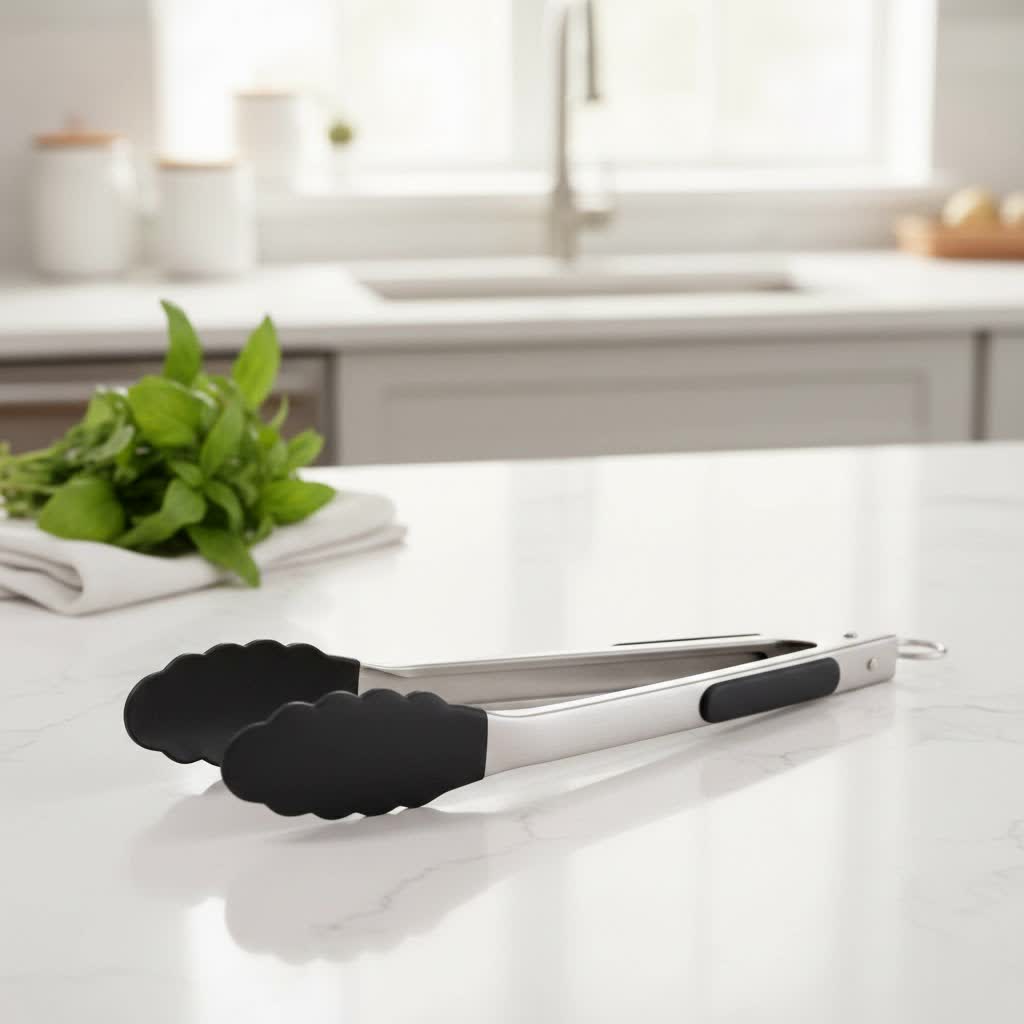
Every seasoned home cook understands the frustration of a slippery piece of food resisting capture, whether flipping delicate fish or maneuvering a stubborn steak. This common kitchen dilemma often leads to dropped ingredients, messy splatters, and unnecessary cooking stress. Fortunately, there’s a simple, yet remarkably effective solution: kitchen tongs specifically designed with “teeth,” serrated edges, or scalloped tips. These ingenious features provide an unparalleled grip, transforming your cooking experience by offering precision and control you never knew you were missing. This comprehensive guide will explore the diverse world of Kitchen Tongs With Teeth, helping you understand their types, what makes them essential, how to choose the perfect pair for your needs, and how to keep them in prime condition. Get ready to elevate your culinary game and handle every ingredient with confidence!
Types of Kitchen Tongs with Teeth
Kitchen tongs come in a variety of materials and designs, each offering unique advantages, especially when equipped with gripping “teeth.” Understanding these distinctions is key to selecting the ideal tool for your culinary adventures.
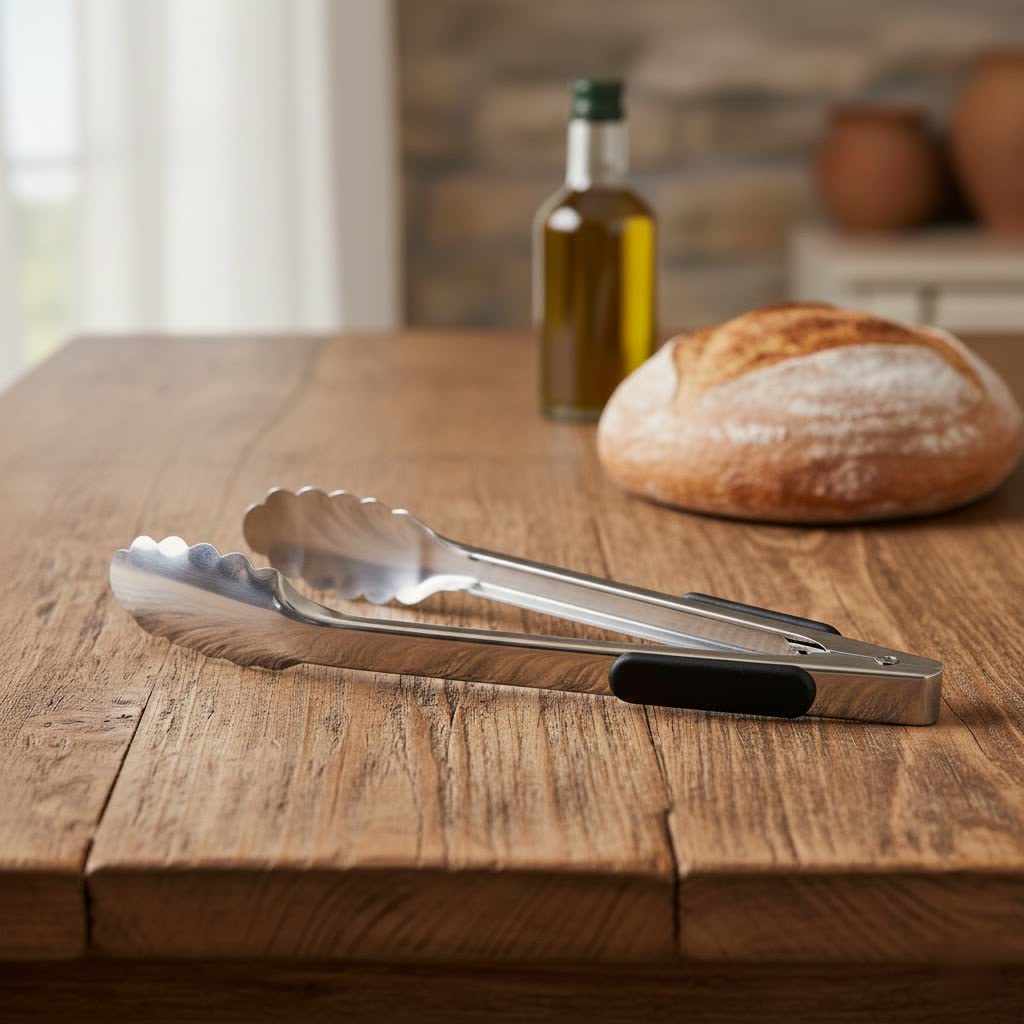
Stainless Steel Tongs with Serrated Edges
|
Our Picks for the Best Kitchen Tongs in 2026
We may earn a commission when you use one of our links to make a purchase.
|
||
| Num | Product | Action |
|---|---|---|
| 1 | GORILLA GRIP Stainless Steel Heat Resistant Kitchen Tongs for Cooking, Set of 2 BBQ Tong, Non Scratch Silicone Tip for Pans, Strong Grip, Grab Food, Toss Salad, Air Fryer, Pull Lock, 7 + 9 Inch, Black |

|
| 2 | Boxiki Kitchen Wooden Tongs for Cooking - Nonstick Kitchen Salad Tongs for Serving Food, Grilling, Cooking, BBQ and Tossing Salad - Made of Natural Walnut Wood, Size 12-inch |
|
| 3 | Tongs For Cooking - Heat Resistant 600 Degrees Stainless Steel Kitchen Tong,Heavy Duty Metal Locking Tongs - Perfect for Food,Salad and BBQ set of 3 (7",9" and 12") Dishwasher |
|
| 4 | Kitchen Tongs with Silicone Tips, Tongs for Cooking Heat Resistant 600 Degrees Stainless Steel Locking Tong - 7" 9" & 12 inch Silicone Tong Non-Stick, Black Set of 3 |
|
| 5 | OXO Good Grips 9-Inch Locking Tongs with Nylon Heads |
|
| 6 | OXO Good Grips 12-Inch Stainless-Steel Locking Tongs |
|
| 7 | HOTEC Premium Stainless Steel Locking Kitchen Tongs with Silicon Tips, Set of 2-9" and 12" |
|
| 8 | OXO Good Grips 2-Piece Tongs with Nylon Heads Set |
|
| 9 | OXO Good Grips 9 Inch Stainless Steel Locking Tongs |
|
| 10 | KitchenAid Stainless Steel Utility Tongs, 12 Inch |
|
|
Our Picks for the Best Kitchen Tongs in 2026
We may earn a commission when you use one of our links to make a purchase.
|
||
| Num | Product | Action |
|---|---|---|
| 1 | Boxiki Kitchen Wooden Tongs for Cooking - Nonstick Kitchen Salad Tongs for Serving Food, Grilling, Cooking, BBQ and Tossing Salad - Made of Natural Walnut Wood, Size 12-inch |
|
| 2 | OXO Good Grips 9-Inch Locking Tongs with Nylon Heads |
|
| 3 | OXO Good Grips 2-Piece Tongs with Nylon Heads Set |
|
| 4 | Kitchen Tongs with Silicone Tips, Tongs for Cooking Heat Resistant 600 Degrees Stainless Steel Locking Tong - 7" 9" & 12 inch Silicone Tong Non-Stick, Black Set of 3 |
|
| 5 | OXO Good Grips 12-Inch Stainless-Steel Locking Tongs |
|
| 6 | Tongs For Cooking - Heat Resistant 600 Degrees Stainless Steel Kitchen Tong,Heavy Duty Metal Locking Tongs - Perfect for Food,Salad and BBQ set of 3 (7",9" and 12") Dishwasher |
|
| 7 | GORILLA GRIP Stainless Steel Heat Resistant Kitchen Tongs for Cooking, Set of 2 BBQ Tong, Non Scratch Silicone Tip for Pans, Strong Grip, Grab Food, Toss Salad, Air Fryer, Pull Lock, 7 + 9 Inch, Black |
|
| 8 | HOTEC Premium Stainless Steel Locking Kitchen Tongs with Silicon Tips, Set of 2-9" and 12" |
|
| 9 | OXO Good Grips 9 Inch Stainless Steel Locking Tongs |
|
| 10 | KitchenAid Stainless Steel Utility Tongs, 12 Inch |
|
Stainless steel tongs are the workhorses of the kitchen. Renowned for their strength, durability, and exceptional heat resistance, they are indispensable for high-temperature cooking tasks like grilling, frying, and roasting. Many stainless steel tongs feature robust serrated edges or scalloped tips that provide an incredibly secure grip on heavier or tougher foods, such as large cuts of meat, corn on the cob, or dense vegetables. While their sturdy nature makes them perfect for the grill or metal pans, caution should be exercised when using them with delicate non-stick surfaces, as they can potentially cause scratches.
Silicone-Tipped Tongs with Gentle Ridges
For those who prioritize cookware protection without sacrificing grip, silicone-tipped tongs are an excellent choice. These tongs typically feature a sturdy stainless steel or nylon core covered with heat-resistant silicone tips that often incorporate delicate ridges or small “teeth.” This design allows for a firm, precise grip on delicate items like pasta, baked goods, or pan-fried eggs, all while being completely safe for non-stick pots and pans. High-quality silicone tips are also highly heat-resistant, making them versatile for stovetop cooking and serving.
Bamboo Tongs with Serrated Teeth
Embracing an eco-friendly approach, bamboo tongs offer a unique combination of lightweight design and gentle efficiency. Many bamboo tongs feature naturally serrated or grooved tips that excel at handling slippery or delicate foods, such as dumplings, fresh noodles, or even toast, without crushing them. The bamboo material is inherently kind to all cookware surfaces, including seasoned cast iron and non-stick, preventing scratches. While typically less heat-resistant than metal or high-grade silicone, they are perfect for serving and light cooking tasks where a soft, firm grip is desired.
Specialized Tongs with Unique Gripping Designs
Beyond general-purpose options, several specialized tongs feature “teeth” tailored for specific culinary tasks:
- BBQ Tongs: Often extra-long with aggressively scalloped or serrated metal edges, designed to safely handle large, hot items on the grill.
- Ice Tongs: Characterized by long, slender arms and small, sharp teeth that securely grasp slippery ice cubes for drinks or serving.
- Pom Tongs: Miniature tongs with lightly serrated or “pom-pom” shaped tips, ideal for picking up small, delicate items like olives, cherry tomatoes, or cheese cubes for appetizers and garnishes.
Key Factors When Choosing Kitchen Tongs with Teeth
Selecting the right pair of kitchen tongs with teeth goes beyond just aesthetics. Consider these crucial elements to ensure you invest in tools that genuinely enhance your cooking efficiency and longevity.
Material
The material of your tongs directly impacts their performance and suitability for different tasks.
- Food-Grade Safety: Always ensure the materials are food-grade and, for silicone or plastic components, BPA-free to prevent harmful chemicals from leaching into your food.
- Durability and Heat Resistance: Stainless steel offers superior durability and heat resistance, essential for grilling or high-heat sautéing. High-quality silicone tips should withstand temperatures up to 500°F (260°C) without melting or warping. Bamboo is durable for its purpose but has lower heat tolerance.
- Ease of Cleaning: Many modern tongs are dishwasher safe, simplifying cleanup. Check for seamless designs that prevent food from getting trapped in crevices.
Size and Length
Tongs come in various lengths, each best suited for different culinary scenarios.
- Purpose-Driven Length: Shorter tongs (7-9 inches) provide precision for delicate tasks like plating, turning small items in a pan, or serving. Longer tongs (12-16 inches) are ideal for maintaining a safe distance from heat sources, such as deep fryers or grills, preventing burns.
- Comfortable Handling: Regardless of length, the tongs should feel balanced and comfortable in your hand, allowing for easy manipulation without strain during prolonged use.
Gripping Mechanism (The “Teeth”)
The very feature that defines these tongs—the teeth or serrated edges—is paramount.
- Effective Grip Without Damage: The design of the teeth should offer a strong, secure hold on various food textures without piercing or crushing delicate items. Look for finely spaced serrations for slippery foods and broader scallops for larger, more robust items.
- Spring/Joint Durability: The tension mechanism, whether a spring or a hinge, should be robust and responsive. A good spring provides consistent tension for precise control, and durable joints ensure smooth operation over time, preventing wobbliness or sticking.
Handle
A well-designed handle is crucial for comfort and safety.
- Non-Slip Material: Handles often feature silicone or rubber accents, providing a comfortable, non-slip grip, even when your hands are wet or greasy. This enhances safety and control, especially when handling hot food.
- Ergonomic Design: An ergonomic handle minimizes hand fatigue during extended cooking sessions, making the tongs feel like a natural extension of your hand.
Heat Resistance
For any tongs used in cooking, heat resistance is non-negotiable.
- Temperature Suitability: Ensure the tongs are rated for the temperatures you typically cook at. Metal tongs generally have the highest heat resistance, followed by high-grade silicone. Always check manufacturer specifications, especially for silicone-tipped or nylon tongs, to avoid melting or damage.
Comparing Popular Kitchen Tongs with Teeth Brands
When it comes to kitchen tongs with effective gripping features, several brands consistently receive high marks for their quality, innovation, and performance.
| Brand | Model (Example) | Pros | Cons |
|---|---|---|---|
| OXO | Good Grips (Stainless Steel & Silicone-Tipped) | Exceptional durability, comfortable non-slip grips, reliable locking mechanism, versatile, precise control for various foods | Can be a higher price point compared to basic brands |
| Cuisipro | Silicone Tongs with Teeth | High-quality silicone, “teeth” design often on one side for gentle yet secure grip, heat resistant, doesn’t absorb odors | May be less ideal for very heavy grilling tasks |
| Joyce Chen | Burnished Bamboo Tongs with Serrated Teeth | Eco-friendly, lightweight, gentle on non-stick surfaces, firm grip for delicate/slippery foods, heat/moisture resistant | Primarily for lighter tasks, hand wash recommended |
| Misen | Silicone Tongs | Durable, silicone tips prevent scratches, excellent for delicate foods, strong metal core | May be considered a premium investment |
| WMF | Profi Plus (Stainless Steel) | Premium material quality, high heat resistance, elegant design, robust serrated tips | Higher cost, primarily stainless steel |
How to Use and Care for Your Kitchen Tongs with Teeth
Maximizing the lifespan and performance of your kitchen tongs with teeth involves proper usage and diligent care.
Safe and Effective Use
- Match Tongs to Task: Use stainless steel tongs with serrated edges for robust meats on the grill or in stainless steel pans. Opt for silicone-tipped tongs for non-stick cookware or delicate items like fish and vegetables. Bamboo tongs are excellent for serving, toast, or handling very delicate, slippery foods without damage.
- Utilize the Grip: Lean into the “teeth” or serrations. Position the tongs so that the gripping features can best engage with the food, providing maximum stability and control.
- Maintain Control: Good tongs are an extension of your hand. Use smooth, confident movements to pick up, turn, and serve food, allowing the teeth to do their job efficiently.
Cleaning and Storage
- Immediate Cleaning: For optimal hygiene and to prevent food from drying and sticking to the teeth, clean your tongs immediately after use.
- Dishwasher Safe Options: Many stainless steel and silicone-tipped tongs are dishwasher safe. For tongs with intricate teeth or crevices, a small brush might be helpful to ensure thorough cleaning.
- Hand Washing for Delicates: Bamboo tongs and some silicone-tipped varieties may require hand washing to preserve their material and finish. Always refer to the manufacturer’s instructions.
- Proper Storage: Most quality tongs feature a locking mechanism (a pull-tab or ring) that keeps them closed for compact storage in a drawer or hung on a hook, preventing them from springing open and cluttering your space.
Pro Tips for Using Kitchen Tongs
Mastering the art of tongs can truly elevate your cooking precision and efficiency.
- The Right Tool for the Job: Always select tongs appropriate for the food and cooking surface. Using metal teeth on non-stick can ruin your pan, while smooth-tipped tongs might struggle with a slippery steak.
- Embrace the Serration: Don’t be afraid to utilize the “teeth” fully. They are designed for grip. For thin, slippery items like bacon or fish, a slight angle can help the serrations dig in securely.
- Practice Makes Perfect: Like any tool, practice with your tongs. Learn their tension, how much pressure to apply, and how best to engage the teeth for different foods. Soon, they will feel like a natural extension of your hand.
Top Kitchen Tongs with Teeth: Editor’s Picks
After extensive testing and considering feedback from home cooks and professional chefs alike, here are our top recommendations for kitchen tongs with superior gripping power:
- OXO Good Grips 12-Inch Stainless Steel Tongs with Silicone Heads: These versatile tongs are a perennial favorite. The sturdy stainless steel body combined with heat-resistant silicone tips featuring delicate ridges offers a fantastic balance of durability, grip, and non-stick safety. The comfortable non-slip handle and reliable locking mechanism make them a kitchen staple for almost any task.
- Cuisipro Silicone Tongs with Teeth (12-inch): Known for their innovative design, Cuisipro tongs often feature “teeth” on one side, allowing for a firm grip on slippery items without the risk of piercing or tearing. The high-quality silicone is heat-resistant and easy to clean, making them excellent for delicate foods and general cooking.
- Joyce Chen 11-Inch Burnished Bamboo Tongs with Serrated Teeth: For those seeking a gentle, eco-friendly option, these bamboo tongs are outstanding. Their burnished finish provides heat and moisture resistance, while the serrated bamboo tips offer an impressive grip on slippery foods like noodles and dumplings, all while being completely safe for all cookware.
Where to Buy Reliable Kitchen Tongs with Teeth
Investing in high-quality kitchen tongs with teeth is an investment in better cooking. You can find these essential tools at various reputable retailers.
- Online Marketplaces: Websites like Amazon, Williams Sonoma, Sur La Table, and specialized kitchenware e-commerce sites offer a vast selection, often with customer reviews that provide valuable insights into real-world performance.
- Department Stores and Home Goods Stores: Retailers such as Macy’s, Target, and Bed Bath & Beyond typically carry a selection of popular brands like OXO and KitchenAid.
- Specialty Kitchen Stores: Local kitchen supply stores often have knowledgeable staff who can guide you through the options and allow you to physically handle the tongs before purchasing.
When buying online, always read product descriptions carefully to confirm material, heat resistance, and specific gripping features. Customer reviews can also highlight any potential drawbacks or unexpected benefits.
A Buyer’s Guide to Kitchen Tongs with Teeth
Making the best choice for your kitchen doesn’t have to be complicated. Follow these steps to find your ideal pair of tongs with teeth:
- Identify Your Primary Needs: Are you mostly grilling, working with delicate non-stick pans, or handling slippery pasta? Your main tasks will dictate the best material and gripping style.
- Consider Your Cookware: If you frequently use non-stick pans, prioritize silicone-tipped or bamboo tongs. For cast iron or stainless steel, robust metal tongs with serrated edges are excellent.
- Evaluate Grip and Control: Look for tongs with well-designed teeth or serrations that promise a secure grip without damaging food. A comfortable, non-slip handle is also crucial for precise control.
- Check for Durability and Features: Assess the build quality, heat resistance, and the reliability of the locking mechanism. Tongs should feel sturdy, not flimsy.
- Read Reviews and Compare Prices: Leverage online reviews from other users to gauge real-world performance and compare prices across different retailers to find the best value.
Conclusion
Kitchen tongs with teeth are far more than just a novelty; they are indispensable tools that offer unparalleled grip, precision, and control for a multitude of cooking tasks. From confidently flipping a delicate fillet of fish to securely turning heavy cuts of meat on the grill, the right pair of tongs can transform your kitchen experience, making cooking safer, cleaner, and more enjoyable. By understanding the different materials, grip designs, and key factors to consider, you can choose a pair that feels like a natural extension of your hand, ready to tackle any culinary challenge.
So, are you ready to upgrade your kitchen arsenal and finally get a grip on those tricky foods?
Frequently Asked Questions
Are kitchen tongs with teeth safe for non-stick pans?
Generally, silicone-tipped tongs with delicate ridges or “teeth” are safe for non-stick pans as the soft silicone material prevents scratching. However, metal tongs with sharp serrated edges are not recommended for non-stick surfaces, as they can easily damage the coating. Always check the product description for cookware compatibility.
What’s the best material for tongs with teeth?
The “best” material depends on your primary use. Stainless steel with serrated edges is ideal for high-heat cooking, grilling, and heavy-duty tasks due to its durability and heat resistance. Silicone-tipped tongs are excellent for non-stick pans and delicate foods, offering a gentle yet firm grip. Bamboo provides an eco-friendly, gentle option for serving and handling delicate, slippery items.
How do “teeth” on tongs differ from scalloped edges?
“Teeth” on tongs typically refer to more distinct, individual projections, often sharper or more pointed, designed to pierce slightly or dig into food for a very firm hold. Scalloped edges, on the other hand, are usually rounded or wavy indentations along the tong’s gripping surface. Both are designed to enhance grip, but scalloped edges generally provide a broader, less intrusive hold, suitable for a wider range of foods, while sharper teeth offer maximum traction for extremely slippery or robust items.