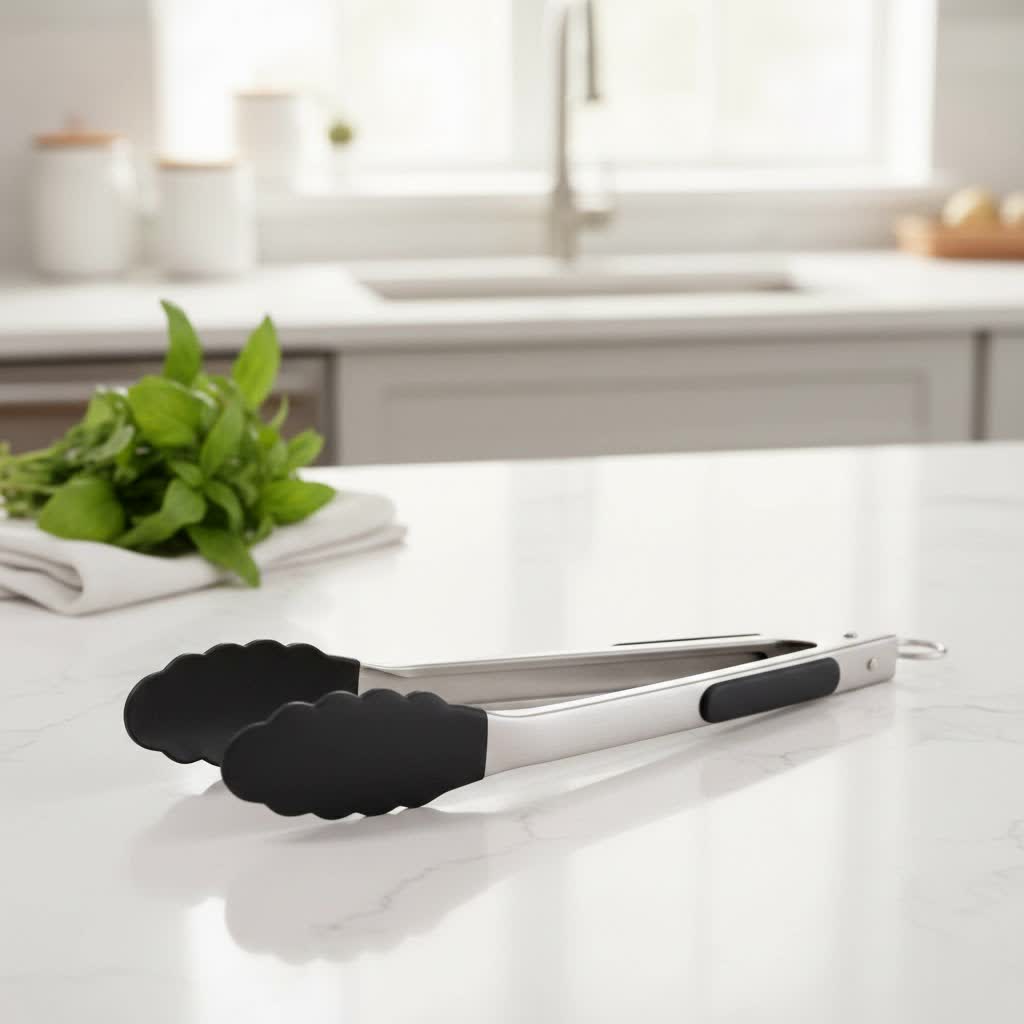
In the heart of every culinary adventure, the right tools can transform your cooking experience. Among these, wooden tongs stand out as a timeless, versatile, and elegant addition to any kitchen. More than just simple grabbers, these utensils offer a unique blend of functionality and charm, making them a favorite for tasks from delicate turning to robust serving. But with countless options available, how do you pick the perfect pair? This guide will delve into everything you need to know about selecting, using, and maintaining your wooden kitchen tongs, ensuring they become an indispensable part of your cooking repertoire.
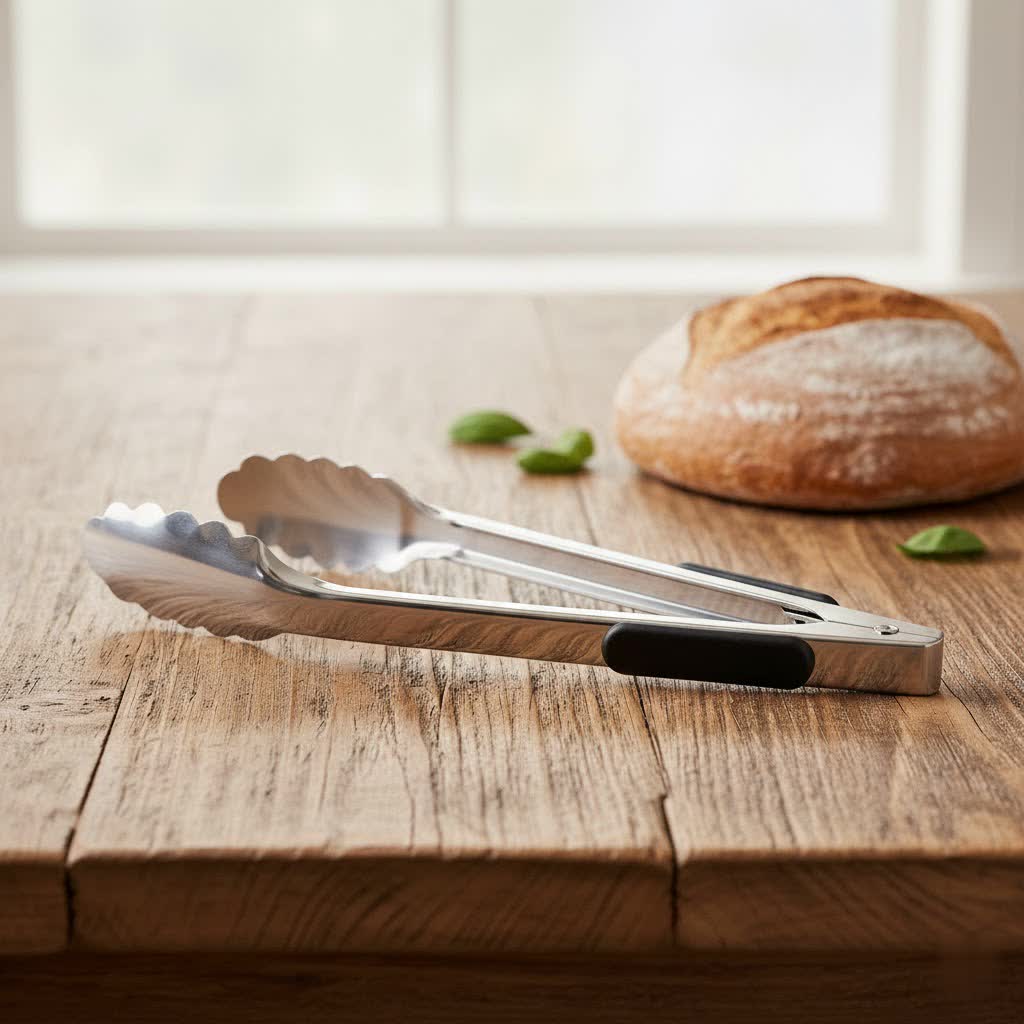
Essential Types of Wooden Kitchen Tongs
Wooden tongs come in various forms, each designed to excel at specific tasks while leveraging the natural properties of wood. Understanding these types will help you choose wisely.
Primarily, wooden tongs can be categorized by their material and mechanism. Common woods include bamboo, olive wood, teak, maple, beech, cherry, and walnut. Each offers distinct aesthetic qualities and durability profiles. Bamboo, for instance, is highly sustainable and lightweight, while hardwoods like olive wood and teak are renowned for their density, natural oils, and resistance to moisture.
In terms of mechanism, you’ll typically find:
- Single-piece (or springless) Tongs: Often made from a single piece of flexible wood, these are simple, elegant, and exceptionally gentle on cookware. They rely on the natural springiness of the wood itself.
- Spring-loaded Tongs: These incorporate a hinge, often with a stainless steel spring mechanism, offering a stronger grip and easier one-handed operation. While the tips remain wood, the joint adds durability and control.
Beyond construction, wooden tongs are also designed for various purposes:
- Toaster Tongs: Short, slim, and typically single-piece, these are perfect for retrieving toast, bagels, or muffins from hot appliances without scratching or burning.
- Salad Tongs: Often larger, with broader, sometimes spoon-like ends, ideal for tossing and serving salads gently.
- Cooking and Serving Tongs: These are the general workhorses, available in various lengths for flipping food in pans, serving dishes, or even light grilling. Their gentle nature makes them perfect for non-stick cookware.
|
Our Picks for the Best Kitchen Tongs in 2026
We may earn a commission when you use one of our links to make a purchase.
|
||
| Num | Product | Action |
|---|---|---|
| 1 | OXO Good Grips 12-Inch Stainless-Steel Locking Tongs |

|
| 2 | Boxiki Kitchen Wooden Tongs for Cooking - Nonstick Kitchen Salad Tongs for Serving Food, Grilling, Cooking, BBQ and Tossing Salad - Made of Natural Walnut Wood, Size 12-inch |
|
| 3 | KitchenAid Stainless Steel Utility Tongs, 12 Inch |
|
| 4 | OXO Good Grips 9 Inch Stainless Steel Locking Tongs |
|
| 5 | OXO Good Grips 2-Piece Tongs with Nylon Heads Set |
|
| 6 | GORILLA GRIP Stainless Steel Heat Resistant Kitchen Tongs for Cooking, Set of 2 BBQ Tong, Non Scratch Silicone Tip for Pans, Strong Grip, Grab Food, Toss Salad, Air Fryer, Pull Lock, 7 + 9 Inch, Black |
|
| 7 | Kitchen Tongs with Silicone Tips, Tongs for Cooking Heat Resistant 600 Degrees Stainless Steel Locking Tong - 7" 9" & 12 inch Silicone Tong Non-Stick, Black Set of 3 |
|
| 8 | HOTEC Premium Stainless Steel Locking Kitchen Tongs with Silicon Tips, Set of 2-9" and 12" |
|
| 9 | OXO Good Grips 9-Inch Locking Tongs with Nylon Heads |
|
| 10 | Tongs For Cooking - Heat Resistant 600 Degrees Stainless Steel Kitchen Tong,Heavy Duty Metal Locking Tongs - Perfect for Food,Salad and BBQ set of 3 (7",9" and 12") Dishwasher |
|
|
Our Picks for the Best Kitchen Tongs in 2026
We may earn a commission when you use one of our links to make a purchase.
|
||
| Num | Product | Action |
|---|---|---|
| 1 | HOTEC Premium Stainless Steel Locking Kitchen Tongs with Silicon Tips, Set of 2-9" and 12" |
|
| 2 | KitchenAid Stainless Steel Utility Tongs, 12 Inch |
|
| 3 | OXO Good Grips 12-Inch Stainless-Steel Locking Tongs |
|
| 4 | OXO Good Grips 9-Inch Locking Tongs with Nylon Heads |
|
| 5 | Boxiki Kitchen Wooden Tongs for Cooking - Nonstick Kitchen Salad Tongs for Serving Food, Grilling, Cooking, BBQ and Tossing Salad - Made of Natural Walnut Wood, Size 12-inch |
|
| 6 | OXO Good Grips 2-Piece Tongs with Nylon Heads Set |
|
| 7 | OXO Good Grips 9 Inch Stainless Steel Locking Tongs |
|
| 8 | Tongs For Cooking - Heat Resistant 600 Degrees Stainless Steel Kitchen Tong,Heavy Duty Metal Locking Tongs - Perfect for Food,Salad and BBQ set of 3 (7",9" and 12") Dishwasher |
|
| 9 | GORILLA GRIP Stainless Steel Heat Resistant Kitchen Tongs for Cooking, Set of 2 BBQ Tong, Non Scratch Silicone Tip for Pans, Strong Grip, Grab Food, Toss Salad, Air Fryer, Pull Lock, 7 + 9 Inch, Black |
|
| 10 | Kitchen Tongs with Silicone Tips, Tongs for Cooking Heat Resistant 600 Degrees Stainless Steel Locking Tong - 7" 9" & 12 inch Silicone Tong Non-Stick, Black Set of 3 |
|
Key Factors to Consider When Buying Wooden Kitchen Tongs
Choosing the ideal pair of wooden tongs involves more than just aesthetics. Consider these crucial elements to ensure you invest in a tool that truly meets your needs.
Material Quality
The type of wood dictates the tongs’ durability, heat resistance, and longevity. Look for tongs crafted from dense hardwoods like maple, beech, teak, ash, or olive wood. These materials are less porous, more resistant to warping and cracking, and generally have a longer lifespan. Ensure the wood is food-grade and free from harmful chemical coatings or glues, which can leach into food.
Size and Length
The length of your tongs should align with their intended use.
- Short Tongs (8-10 inches): Excellent for toasters, handling small appetizers, or serving delicate items with precision.
- Medium Tongs (10-12 inches): A versatile choice for everyday cooking tasks like flipping vegetables, turning bacon, or serving side dishes.
- Long Tongs (12+ inches): Indispensable for grilling, deep frying, or reaching into deep pots, keeping your hands safely away from intense heat.
Mechanism and Grip
Consider how the tongs operate and feel in your hand.
- Operation: Single-piece designs are simple and gentle, while spring-loaded tongs offer a more robust grip and often allow for easy one-handed use and locking for compact storage.
- Ergonomics: The handle should be comfortable to hold, offering a secure, non-slip grip, even during extended use. Some wooden tongs even feature magnetic elements for convenient storage on metallic surfaces.
Craftsmanship and Finish
High-quality wooden tongs will be smoothly sanded, free of splinters, and often treated with food-safe oils (like mineral oil or beeswax blend) to enhance durability and appearance. A well-crafted utensil not only performs better but also adds a touch of artisanal beauty to your kitchen.
Aesthetic Appeal
While functionality is paramount, the natural warmth and unique grain patterns of wood add a rustic charm that synthetic materials can’t replicate. Choose a style that complements your kitchen’s decor.
Advantages and Disadvantages of Wooden Tongs
Like any kitchen tool, wooden tongs come with their own set of pros and cons. Understanding these can help you appreciate their strengths and mitigate their weaknesses.
Advantages of Wooden Tongs
- Non-Scratch: This is perhaps their most significant advantage. Wooden tongs are incredibly gentle on all cookware surfaces, especially non-stick pans, cast iron, and delicate ceramic, preventing unsightly scratches and prolonging the life of your expensive pots and pans.
- Eco-Friendly: Crafted from renewable resources like bamboo and various hardwoods, wooden tongs are a sustainable and biodegradable alternative to plastic or metal options.
- Safe for Food: High-quality wooden tongs are typically free from harmful chemicals, dyes, or glues, ensuring no unwanted substances leach into your food. Wood also possesses natural antibacterial properties.
- Heat Resistance: Wood is a poor conductor of heat, meaning the handles of your wooden tongs will remain cool to the touch, even when used with hot food or over a grill.
- Aesthetic Appeal: The natural beauty, warmth, and unique grain of wood add a rustic elegance to your kitchen and dining table, making them perfect for serving.
- Precision and Dexterity: Many wooden tongs, especially toast or appetizer tongs, offer excellent precision for handling delicate items.
Disadvantages of Wooden Tongs
- Absorbency and Hygiene: Wood is a porous material and can absorb moisture, odors, and food particles if not properly cleaned and maintained. This can potentially harbor bacteria over time. However, with proper care, this risk is minimized.
- Care Requirements: Unlike many metal or silicone tongs, wooden tongs are not dishwasher safe. They require hand washing and regular oiling to prevent drying out, cracking, or warping.
- Durability Concerns (if neglected): If not properly cared for, wooden tongs can dry out, leading to splinters, cracks, or warping. Cheaply made wooden tongs may also break easily.
- Odor and Resin Transfer: Some types of wood, if not properly seasoned or sealed, can transfer strong odors or oily resins to food, affecting its taste. This is less common with common kitchen hardwoods.
How to Use and Care for Your Wooden Kitchen Tongs
To ensure your wooden tongs remain hygienic, functional, and beautiful for years, proper use and diligent care are essential.
Safe and Effective Use
- Match the Tool to the Task: Use shorter tongs for delicate items and toasters, medium tongs for general cooking, and longer ones for high-heat tasks like grilling.
- Gentle Handling: While wood is sturdy, avoid applying excessive force that could lead to breakage, especially with single-piece designs.
- Avoid Prolonged Heat Exposure: While heat-resistant, leaving wooden tongs resting in hot pans or near direct flames for extended periods can cause charring or drying.
Cleaning Your Wooden Tongs
- Hand Wash Immediately: After each use, wash your wooden tongs by hand with warm water and a mild dish soap. This prevents food particles and moisture from soaking into the wood.
- Avoid Soaking: Never leave wooden tongs to soak in water, as this can lead to warping, cracking, and even mold growth.
- No Dishwashers: The high heat and harsh detergents of a dishwasher are detrimental to wood, causing it to dry out, crack, warp, and lose its natural beauty.
- Gentle Scrubbing: Use a soft sponge or cloth for cleaning. While some sources suggest the scratchy side of a sponge, avoid harsh scrubbers like steel wool, which can damage the wood’s surface or finish.
- Thorough Drying: Immediately after washing, dry your tongs thoroughly with a clean cloth. Do not air-dry them unless they are placed upright in a well-ventilated area to ensure all surfaces dry evenly.
Maintaining Your Wooden Tongs for Longevity
- Regular Oiling: This is the most crucial step for maintaining wooden utensils. Once a month, or whenever your tongs start to look dry or dull, rub them generously with a food-grade mineral oil, olive oil, or a blend of mineral oil and beeswax (often called “spoon butter”). Allow the oil to soak in for several hours or overnight, then wipe off any excess. This moisturizes the wood, prevents cracking, and enhances its natural resistance to water and odors.
- Remove Odors: If your wooden tongs absorb strong odors from foods like garlic or onion, rub them down with a lemon wedge and a sprinkle of coarse salt, then rinse and dry.
- Sanitize (for raw meat): If your tongs come into contact with raw meat, after a thorough wash with soap and water, you can wipe them with a small amount of 3% hydrogen peroxide for extra sanitization. Rinse lightly afterward.
- Address Rough Patches: If your tongs develop rough spots or splinters, gently sand them with fine-grit sandpaper (e.g., 200-400 grit), then wash and re-oil them.
Top Wooden Tongs Brands and Products (General Overview)
While specific product models can vary, several brands and artisanal approaches consistently deliver high-quality wooden tongs. When exploring options, look for those emphasizing superior craftsmanship and the use of durable hardwoods.
Many smaller, artisan brands specialize in handcrafted wooden utensils, often using sustainably sourced materials like olive wood, cherry, walnut, or teak. These often feature unique designs and exceptional finishes. Larger kitchenware brands may also offer wooden options, typically focusing on durability and ergonomic design. For instance, brands like Zeawin offer beechwood tongs often paired with a sturdy stainless steel spring for a secure grip, ideal for various cooking and serving tasks. Earlywood is another brand recognized for its sleek, modern, and durable wooden kitchen tools.
Detailed Comparison of Wooden Tongs Characteristics
To help you navigate the choices, here’s a detailed comparison of common wooden tong characteristics:
| Characteristic | Best For | Considerations |
|---|---|---|
| Material (Teak/Olive Wood) | Superior durability, natural water resistance, rich aesthetic | Often higher price point, requires regular oiling to maintain luster |
| Material (Bamboo) | Lightweight, highly sustainable, excellent value | Can be less dense than hardwoods, may splinter if quality is low |
| Length (Short – 8-10″) | Toast, small appetizers, delicate garnishes, precise handling | Limited reach, not ideal for deep frying or grilling |
| Length (Medium – 10-12″) | Versatile everyday cooking, salad serving, general food handling | A great all-rounder for most kitchen tasks |
| Length (Long – 12″+) | Grilling, BBQ, deep frying, stirring in deep pots | Excellent for safety and reach, but can feel less precise for tiny items |
| Mechanism (Single-Piece Bent Wood) | Gentle on non-stick surfaces, minimalist design, easy to clean | Less powerful grip, no locking feature, may break if used roughly |
| Mechanism (Spring-Loaded with Hinge) | Strong, secure grip, often lockable for compact storage | May involve non-wood (e.g., stainless steel) components at the hinge |
| Handle (Ergonomic Wood) | Comfortable grip during prolonged use, natural feel | Can be bulkier in design, ensure smooth finish to avoid rough spots |
| Care (Hand Wash & Oil) | Preserves wood’s integrity, extends lifespan, prevents warping | Requires commitment to a consistent care routine, not dishwasher-safe |
Where to Buy Reliable Wooden Kitchen Tongs
When seeking out your perfect pair of wooden tongs, prioritize quality and reputable sellers.
- Specialty Kitchen Stores: These shops often carry a curated selection of high-quality kitchen tools, including wooden utensils from respected brands and artisanal makers.
- Artisan Craft Markets & Online Boutiques: For truly unique, handcrafted pieces, explore local craft markets or online platforms that feature independent woodworkers. Descriptions of wood type and craftsmanship are usually detailed.
- Reputable Online Retailers: Major online stores offer a wide variety, but it’s crucial to read product descriptions carefully, focusing on the type of wood, construction method, and customer reviews regarding durability and care.
- Direct from Manufacturers: Many brands that specialize in wooden kitchenware sell directly from their websites, ensuring authenticity and often providing detailed care instructions.
Always look for clear information on the type of wood used, whether it’s food-grade, and the recommended care instructions before making a purchase.
Buying Guide: Choosing the Right Wooden Tongs for Your Needs
Ready to add wooden tongs to your kitchen arsenal? Follow this simple guide to make the best choice.
- Define Your Primary Use: Are you mainly looking for toaster tongs, salad servers, or a general-purpose cooking tool? This will narrow down your ideal length and mechanism.
- Prioritize Material: Opt for durable hardwoods like teak, olive wood, maple, or beech for longevity and performance. If sustainability is a top concern, bamboo is an excellent choice.
- Assess the Mechanism and Grip: Decide if a simple, gentle single-piece design or a stronger, spring-loaded option suits your grip preference and tasks. Ensure the handle feels comfortable and secure in your hand.
- Examine Craftsmanship: If possible, inspect the finish for smoothness and absence of splinters. Good quality wooden tongs will feel substantial and well-made.
- Consider Care Commitment: Be prepared to hand wash and regularly oil your wooden tongs to keep them in prime condition. If you prefer low-maintenance tools, wood might require a slight adjustment to your routine.
Conclusion
Wooden kitchen tongs are more than just functional tools; they are a bridge between tradition and modern culinary needs, bringing warmth, elegance, and practicality to your kitchen. Their ability to protect delicate cookware, coupled with their eco-friendly nature and natural aesthetic appeal, makes them an invaluable addition for any home cook. With proper selection and consistent care, your wooden tongs will not only perform beautifully but also become cherished pieces that elevate your cooking experience for years to come.
What role will wooden tongs play in your culinary journey?
Frequently Asked Questions
Are wooden tongs safe for non-stick pans?
Yes, absolutely! One of the primary advantages of wooden tongs is their gentle nature. They will not scratch or damage the delicate surfaces of your non-stick cookware, unlike metal tongs, making them an excellent choice for preserving your pots and pans.
Can wooden tongs go in the dishwasher?
No, wooden tongs should never be put in the dishwasher. The high heat, harsh detergents, and prolonged exposure to water in a dishwasher can cause the wood to dry out, warp, crack, splinter, and lose its natural oils and finish, significantly shortening its lifespan.
How do you clean wooden tongs properly?
To clean wooden tongs, hand wash them immediately after use with warm water and a mild dish soap. Avoid soaking them, and dry them thoroughly with a clean cloth. Regular oiling with food-grade mineral oil or “spoon butter” (a mineral oil and beeswax blend) once a month or as needed will keep the wood hydrated and prevent cracking.
What type of wood is best for kitchen tongs?
For optimal durability and longevity, hardwoods like teak, olive wood, maple, beech, and cherry are excellent choices. These woods are dense, less porous, and more resistant to warping and cracking. Bamboo is also a popular and sustainable option known for its lightweight strength.
Do wooden tongs harbor bacteria?
While wood is porous, many hardwoods naturally possess antimicrobial properties. If properly cleaned immediately after use (hand-washed with soap and water, then dried thoroughly) and regularly oiled, wooden tongs are generally safe and hygienic. Avoid soaking them, as excessive moisture can promote bacterial growth.