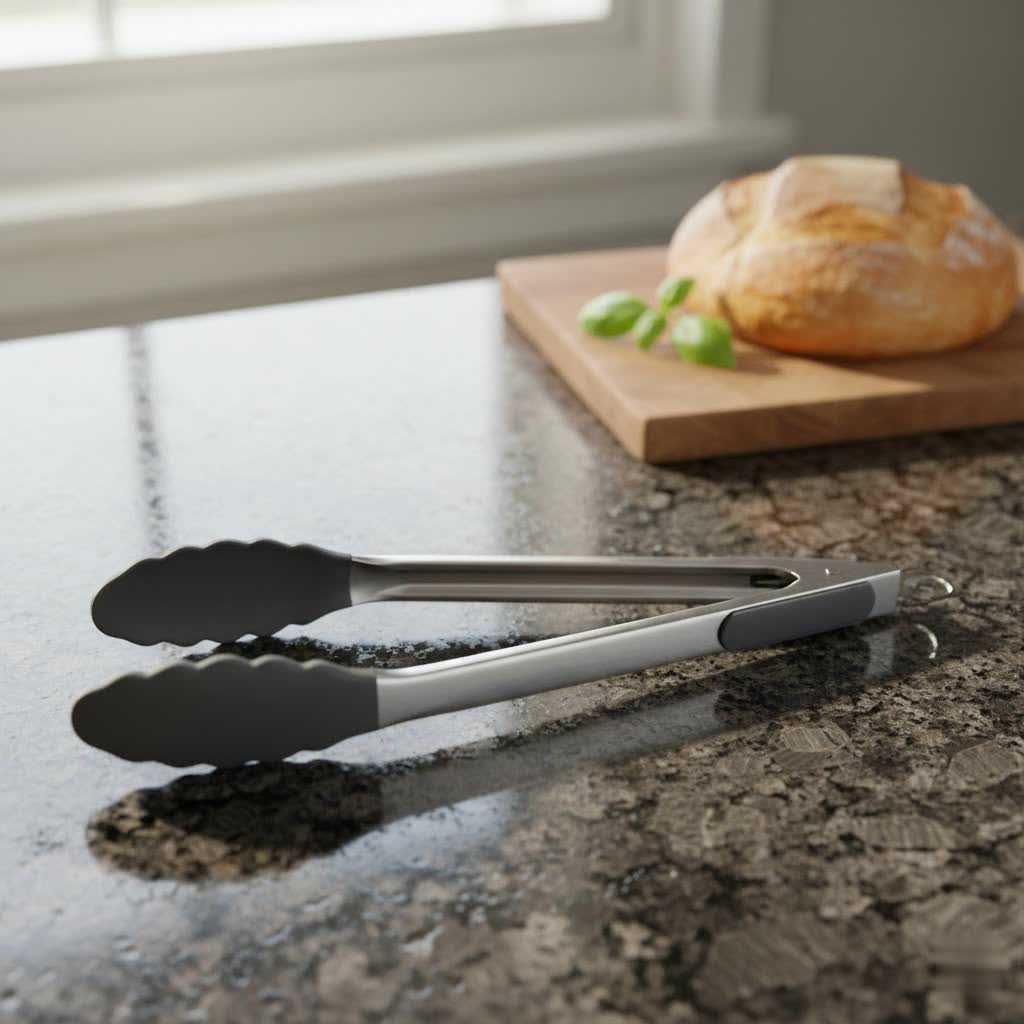
In the bustling heart of any kitchen, the right tools can transform cooking from a chore into a culinary delight. Among the most versatile and essential gadgets is the humble kitchen tong, and for those seeking a blend of functionality, aesthetics, and environmental consciousness, bamboo kitchen tongs stand out. As an experienced kitchen technician with a decade of expertise in kitchen tools, especially tongs, I’ve seen countless designs come and go. Bamboo tongs, however, have carved a niche for themselves, offering unique advantages that cater to modern cooking needs. Let’s delve into the world of bamboo kitchen tongs to help you find your perfect pair.

Understanding Bamboo Kitchen Tongs: Types and Characteristics
Bamboo kitchen tongs are distinguished by their natural material, which offers a unique blend of characteristics compared to their metal, silicone, or plastic counterparts. They typically come in several forms, each designed for specific kitchen tasks. For shop curated kitchen tongs on this site.
Most bamboo tongs are crafted from 100% natural bamboo, often certified for sustainable sourcing. This material is known for its strength and appealing grain. While some bamboo tongs are simple, self-sprung pieces, leveraging the natural flexibility of bamboo, others might incorporate a hinge, resembling traditional scissor-style tongs. The smooth, hand-burnished finish common to many bamboo products enhances both their look and feel.
The Unrivaled Benefits of Bamboo Kitchen Tongs
Choosing bamboo kitchen tongs brings a host of benefits, making them a smart addition to any culinary arsenal.
Eco-Friendly & Sustainable
One of the most compelling reasons to opt for bamboo is its incredible sustainability. Bamboo is a rapidly renewable resource, growing significantly faster than traditional wood without requiring pesticides or fertilizers. It also releases more oxygen into the atmosphere and helps prevent soil erosion, making it a truly eco-friendly choice. When bamboo tongs eventually reach the end of their lifespan, they are compostable and biodegradable, significantly reducing waste compared to plastic alternatives.
Non-Scratch for Cookware
Unlike metal tongs that can scratch delicate non-stick coatings, cast iron, or ceramic pans, bamboo tongs are gentle on all cookware surfaces. This ensures your expensive pots and pans remain pristine and extend their lifespan.
Superior Heat Resistance (Non-Conductive)
While not designed for extreme high-heat tasks like deep frying or grilling where scorching can occur, bamboo tongs are inherently non-conductive. This means they won’t transfer heat to your hands as quickly as metal tongs, offering a safer and more comfortable grip when working with hot foods and pans. They perform excellently in low to medium-heat cooking environments.
Lightweight and Ergonomic
|
Our Picks for the Best Kitchen Tongs in 2026
As an Amazon Associate I earn from qualifying purchases.
|
||
| Num | Product | Action |
|---|---|---|
| 1 | OXO Good Grips 9-Inch Locking Tongs with Nylon Heads |

|
| 2 | HOTEC Premium Stainless Steel Locking Kitchen Tongs with Silicon Tips, Set of 2-9" and 12" |
|
| 3 | OXO Good Grips 12-Inch Stainless-Steel Locking Tongs |
|
| 4 | Boxiki Kitchen Wooden Tongs for Cooking - Nonstick Kitchen Salad Tongs for Serving Food, Grilling, Cooking, BBQ and Tossing Salad - Made of Natural Walnut Wood, Size 12-inch |
|
| 5 | OXO Good Grips 9 Inch Stainless Steel Locking Tongs |
|
| 6 | Tongs For Cooking - Heat Resistant 600 Degrees Stainless Steel Kitchen Tong,Heavy Duty Metal Locking Tongs - Perfect for Food,Salad and BBQ set of 3 (7",9" and 12") Dishwasher |
|
| 7 | KitchenAid Stainless Steel Utility Tongs, 12 Inch |
|
| 8 | GORILLA GRIP Stainless Steel Heat Resistant Kitchen Tongs for Cooking, Set of 2 BBQ Tong, Non Scratch Silicone Tip for Pans, Strong Grip, Grab Food, Toss Salad, Air Fryer, Pull Lock, 7 + 9 Inch, Black |
|
| 9 | OXO Good Grips 2-Piece Tongs with Nylon Heads Set |
|
| 10 | Kitchen Tongs with Silicone Tips, Tongs for Cooking Heat Resistant 600 Degrees Stainless Steel Locking Tong - 7" 9" & 12 inch Silicone Tong Non-Stick, Black Set of 3 |
|
Bamboo tongs are remarkably lightweight, making them easy to handle for extended periods without causing hand fatigue. Their natural feel and comfortable design contribute to a more enjoyable cooking experience, allowing for precise control when flipping, serving, or stirring.
Naturally Antimicrobial
Bamboo possesses natural antimicrobial properties, which help resist the growth of bacteria and mold. This inherent hygiene makes bamboo tongs a sanitary option for food preparation, contributing to a healthier kitchen environment.
Durable & Aesthetic
Despite their lightweight nature, bamboo is a strong and sturdy material. Good quality bamboo tongs can withstand daily use, proving to be a durable choice for a variety of tasks. Beyond functionality, their natural, earthy aesthetic adds a touch of warmth and organic style to any kitchen decor.
Key Factors to Consider When Choosing Your Perfect Pair
To ensure you select the best bamboo kitchen tongs for your needs, consider the following:
Material Quality
Always look for tongs made from 100% bamboo, and ideally, seek out products with FSC (Forest Stewardship Council) certification. This guarantees the bamboo is sourced from sustainably managed forests, aligning with the eco-friendly ethos of the material. Avoid bamboo composites that might contain plastics or other binders.
Size and Length
The ideal length of your tongs depends on their primary use.
- Shorter tongs (6-9 inches): Perfect for precision tasks like turning bacon, picking up small items, or serving appetizers.
- Medium tongs (9-12 inches): Excellent for general cooking, tossing salads, or handling food in most pots and pans.
- Longer tongs (12-16 inches): Best for grilling, deep pots, or keeping your hands away from intense heat sources.
Mechanism & Grip
Bamboo tongs typically feature either a simple, self-sprung design or a hinged, scissor-like mechanism.
- Self-sprung: These often rely on the natural flexibility of the bamboo itself. While elegant, some may offer less gripping power for heavier items.
- Hinged/Scissor-style: These usually provide a stronger grip. Look for sturdy construction and a smooth pivot point.
- Grip: Ensure the handle design feels comfortable and secure in your hand. Some bamboo tongs may have a textured grip for enhanced control. A reliable locking mechanism is also a plus for compact storage.
Heat Tolerance
Understand that while bamboo is non-conductive, it has limitations in direct, prolonged high heat. For tasks like searing steaks on a cast-iron skillet or managing food on an open grill, bamboo tongs may not be the ideal choice due to the risk of scorching or splintering. Reserve them for low to medium-heat cooking, serving, or for use with non-stick surfaces.
Ease of Cleaning and Maintenance
Bamboo tongs require proper care to maintain their integrity and lifespan. They are generally not dishwasher safe. Hand washing is crucial to prevent water absorption, which can lead to cracking, warping, or splitting over time.
Bamboo Kitchen Tongs vs. Other Materials: A Comparative Look
Understanding how bamboo stacks up against other common tong materials can help you make an informed decision.
- Stainless Steel: Extremely durable, highly heat-resistant, and suitable for heavy-duty tasks and high temperatures. However, they can scratch non-stick surfaces and transfer heat to handles.
- Silicone-Tipped: Excellent for non-stick cookware, very heat-resistant (often up to 500-600°F), and easy to clean. They offer good grip but can sometimes be less rigid than metal.
- Wood (General): Similar to bamboo in being non-scratch and natural, but typically less sustainable due to slower growth rates. Requires similar care to bamboo to prevent splitting.
- Nylon: Often budget-friendly and safe for non-stick, but generally has lower heat resistance compared to silicone and can melt if exposed to very high temperatures.
Bamboo tongs carve out their niche by combining the non-scratch benefits of silicone/wood with superior sustainability and natural antimicrobial properties, while offering a unique aesthetic.
Caring for Your Bamboo Kitchen Tongs for Lasting Performance
Proper care is essential to keep your bamboo tongs in excellent condition for years to come.
- Hand Wash Only: After each use, wash your bamboo tongs by hand with mild soap and warm water. Avoid harsh detergents or abrasive scrubbers.
- Dry Thoroughly: This is the most critical step. Immediately after washing, dry your bamboo tongs completely with a towel. Do not let them air dry, as prolonged moisture exposure is the leading cause of cracking and splitting.
- Avoid Soaking: Never soak bamboo tongs in water. This can cause the material to swell, warp, and weaken.
- Oil Regularly (Optional but Recommended): Periodically, you can rub a small amount of food-grade mineral oil into the bamboo to keep it hydrated and prevent it from drying out.
- Store Properly: Store tongs in a dry place, away from extreme temperature changes. A utensil crock or hung on a hook are good options.
- Keep Away from Extreme Heat: Do not leave bamboo tongs resting on hot pans or near open flames, as they can scorch or burn.
Expert Tips for Maximizing Your Bamboo Tongs’ Potential
Beyond basic care, a few expert tips can help you get the most out of your bamboo tongs.
- Match Tongs to Tasks: Use your bamboo tongs for delicate items, serving salads, flipping lighter foods in non-stick pans, or grabbing toast. For heavy cuts of meat on a searing hot grill, consider metal alternatives.
- Gentle Handling: While strong, bamboo is a natural material. Avoid excessive force or twisting motions that could stress the joints or material.
- Serving with Style: The natural beauty of bamboo makes these tongs ideal for serving at the table, adding an organic, elegant touch to your presentation.
Top Kitchen Tongs Loved by Home Cooks
When considering bamboo tongs, look for brands renowned for quality bamboo products. While specific model recommendations might vary, key features to prioritize include a comfortable grip, sturdy construction, and a smooth finish. Reputable kitchenware brands that offer sustainable bamboo options are always a good starting point. Prioritize those with thicker, well-crafted bamboo rather than thin, flimsy designs, which may break easily.
Where to Buy High-Quality Bamboo Kitchen Tongs
Finding quality bamboo kitchen tongs is easier than ever.
- Online Retailers: Major online marketplaces offer a vast selection from various brands. Read reviews carefully to assess durability and customer satisfaction.
- Specialty Kitchen Stores: These stores often carry higher-quality, curated selections of kitchen tools, where you can inspect the product in person.
- Eco-Friendly or Sustainable Living Stores: Shops focused on sustainable products are excellent sources for ethically sourced bamboo kitchenware.
When purchasing online, always verify the material composition to ensure you are getting 100% bamboo, and check for any certifications like FSC.
Your Ultimate Buying Guide for Bamboo Kitchen Tongs
To make your selection process straightforward, here’s a quick recap:
- Define Your Needs: What will you primarily use the tongs for? (e.g., salad, serving, light cooking, toast).
- Check Material: Opt for 100% FSC-certified bamboo for sustainability and quality.
- Consider Length & Mechanism: Choose a length suitable for your common tasks and a mechanism that feels comfortable and responsive.
- Prioritize Comfort & Grip: A comfortable handle makes all the difference during use.
- Understand Heat Limits: Acknowledge that bamboo is best for low to medium heat and non-stick surfaces.
- Review Care Instructions: Be prepared for hand washing and thorough drying.
Conclusion
Bamboo kitchen tongs offer a unique combination of functionality, natural beauty, and environmental responsibility, making them a worthwhile investment for any kitchen. Their non-scratch properties, lightweight design, and inherent antimicrobial qualities make them incredibly practical for a wide array of cooking and serving tasks. By choosing bamboo, you’re not just enhancing your cooking experience; you’re also making a conscious choice for a more sustainable lifestyle.
Ready to embrace the natural elegance and efficiency of bamboo in your kitchen? What dishes are you most excited to prepare with your new bamboo tongs?
Frequently Asked Questions
Are bamboo kitchen tongs truly eco-friendly?
Yes, bamboo tongs are highly eco-friendly. Bamboo is a rapidly renewable resource that grows without pesticides or fertilizers, and it’s fully biodegradable and compostable, minimizing environmental impact.
Can I use bamboo tongs on all types of cookware?
Bamboo tongs are safe for all cookware, including delicate non-stick, ceramic, and cast iron surfaces, as they will not scratch or damage them.
How durable are bamboo kitchen tongs?
Good quality bamboo tongs are strong and durable for everyday cooking and serving tasks. However, they are not as resistant to extreme pressure or very high, prolonged heat as metal tongs and require proper care to prevent splitting.
How should I clean and maintain my bamboo tongs?
Always hand wash bamboo tongs with mild soap and warm water, and thoroughly dry them immediately afterward. Avoid soaking them or putting them in a dishwasher, which can cause damage.
Can bamboo tongs withstand high cooking temperatures?
Bamboo tongs are non-conductive and suitable for low to medium-heat cooking. They are not recommended for extremely high-temperature cooking like deep frying or grilling, as prolonged exposure can scorch or splinter the bamboo.
Are bamboo tongs more expensive than other types?
The price of bamboo tongs can vary. While some basic plastic tongs might be cheaper, high-quality bamboo tongs are often comparable in price to good silicone or stainless steel options, offering excellent value for their unique benefits.
Do bamboo tongs get stained or absorb odors?
High-quality bamboo is naturally resistant to stains and odors. Regular cleaning and proper drying will help maintain this resistance, keeping your tongs looking and smelling fresh.
Cooking gear we tested in our own kitchens
Free PDF — preheat times measured on 10 popular air fryers.
