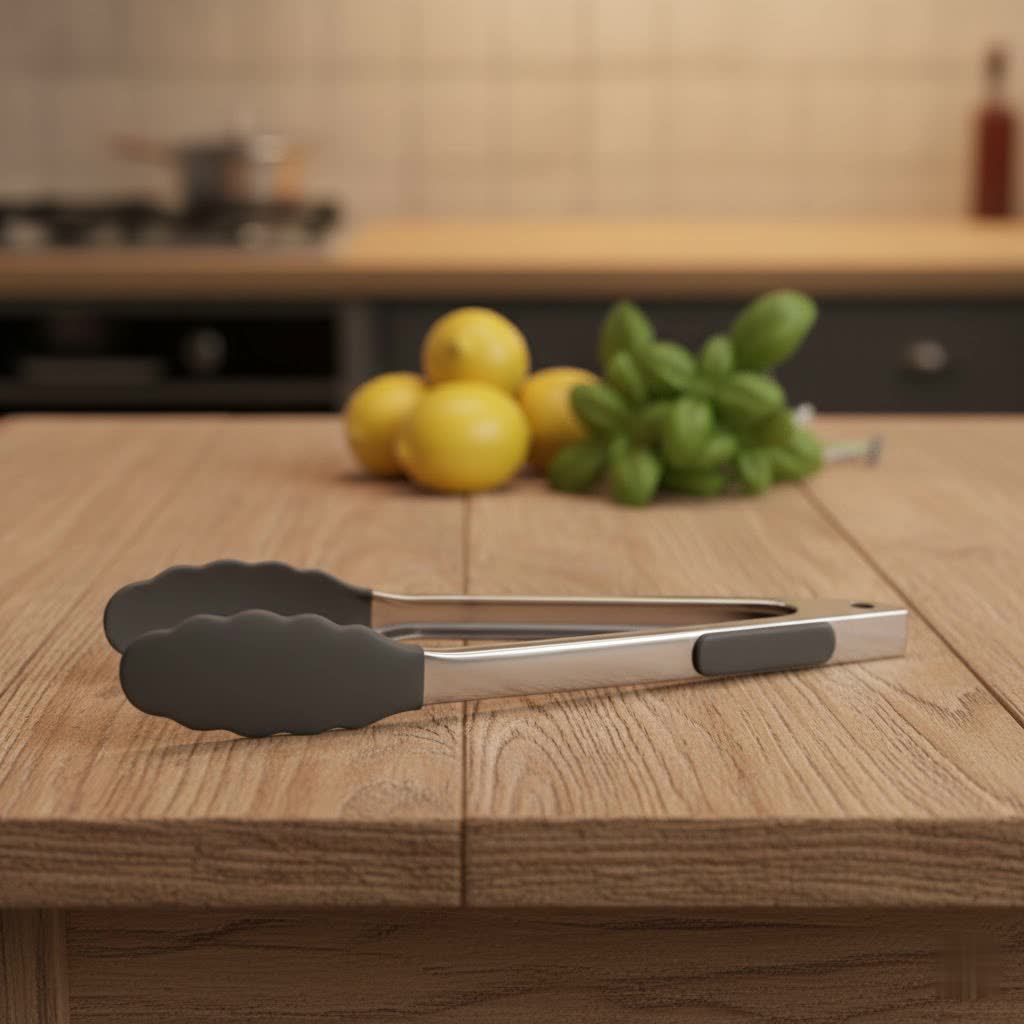
In the bustling heart of any kitchen, where flavors come alive and culinary creations take shape, there’s an unsung hero often overlooked: the humble kitchen tong. More than just a simple grabbing tool, a quality pair of kitchen tongs acts as a seamless extension of your hand, offering unparalleled precision, control, and safety across a myriad of cooking tasks. Whether you’re flipping delicate fish, turning sizzling steaks on the grill, or artfully plating a gourmet dish, the right tongs can transform your cooking experience from chaotic to effortlessly elegant.
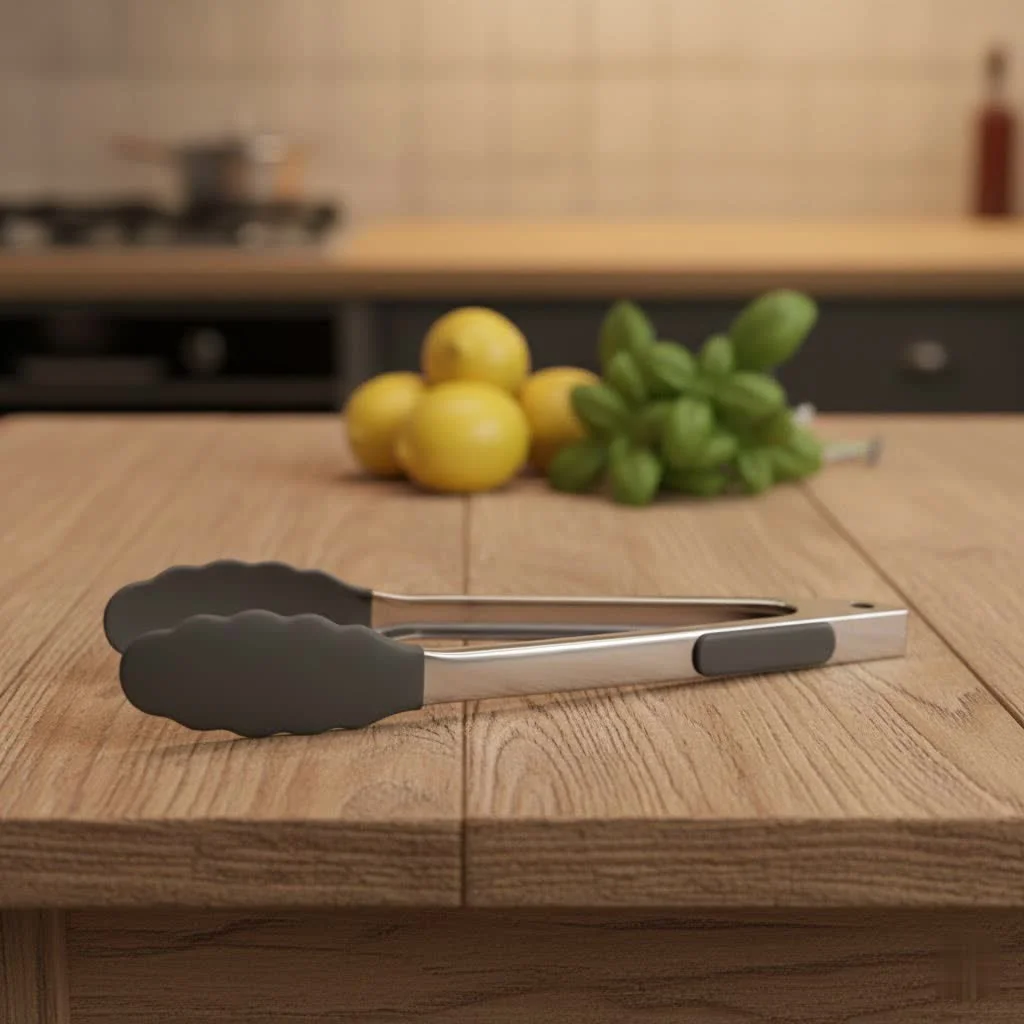

As a seasoned technician with over a decade of hands-on experience in kitchen tools, especially with kitchen tongs, I’ve had the privilege of testing countless models, from the most basic to advanced designs featuring innovative technology. My goal is to share this wealth of knowledge, guiding you through the fascinating world of kitchen tongs to help you select the perfect pair that meets your unique culinary demands. Let’s delve into what makes a great pair of tongs and how to choose the best ones for your kitchen. For browse all kitchen tongs articles on this site.
Exploring the World of Kitchen Tongs: Types and Their Uses
Kitchen tongs come in a variety of types, each designed to excel in specific scenarios. Understanding the different kinds and their primary uses is the first step in building a versatile collection for your kitchen.
Utility Tongs
These are your everyday workhorses, ideal for a wide range of general cooking and serving tasks. Utility tongs typically feature sturdy construction, often made from stainless steel, with scalloped or rounded ends that provide a firm grip on various food items. They are perfect for turning meats in a pan, tossing vegetables, or serving portions. Many come with a locking mechanism for compact storage.
Material-Specific Tongs
The material of your tongs significantly impacts their performance and suitability for different cookware.
- Stainless Steel Tongs: Renowned for their durability, strength, and high heat resistance, stainless steel tongs are excellent for grilling, frying, and handling heavier foods. They offer precise control and are built to last. However, their metal tips can scratch non-stick and enameled cookware, so caution is advised [cite: 2_search_1, 3_search_3, 4_search_4].
- Silicone-Tipped Tongs: A favorite for home cooks and professionals alike, these tongs feature silicone-coated tips over a sturdy metal core. The silicone protects delicate non-stick surfaces from scratches while providing a gentle yet firm grip. They are highly heat-resistant, with some models withstanding temperatures up to 600°F, making them safe for almost any cooking application [cite: 2_search_1, 3_search_3]. While excellent for most tasks, their thicker tips can sometimes be less agile for very small items.
- Nylon-Tipped Tongs: Offering a balance between the stiffness of stainless steel and the non-scratch properties of silicone, nylon-tipped tongs are another great option for non-stick cookware. They are typically heat-resistant up to around 400°F and are lighter than their silicone counterparts, providing good control without the risk of damage [cite: 3_search_3].
Specialized Tongs for Specific Tasks
|
Our Picks for the Best Kitchen Tongs in 2026
As an Amazon Associate I earn from qualifying purchases.
|
||
| Num | Product | Action |
|---|---|---|
| 1 | Tongs For Cooking - Heat Resistant 600 Degrees Stainless Steel Kitchen Tong,Heavy Duty Metal Locking Tongs - Perfect for Food,Salad and BBQ set of 3 (7",9" and 12") Dishwasher |

|
| 2 | OXO Good Grips 2-Piece Tongs with Nylon Heads Set |
|
| 3 | OXO Good Grips 9-Inch Locking Tongs with Nylon Heads |
|
| 4 | GORILLA GRIP Stainless Steel Heat Resistant Kitchen Tongs for Cooking, Set of 2 BBQ Tong, Non Scratch Silicone Tip for Pans, Strong Grip, Grab Food, Toss Salad, Air Fryer, Pull Lock, 7 + 9 Inch, Black |
|
| 5 | OXO Good Grips 12-Inch Stainless-Steel Locking Tongs |
|
| 6 | Kitchen Tongs with Silicone Tips, Tongs for Cooking Heat Resistant 600 Degrees Stainless Steel Locking Tong - 7" 9" & 12 inch Silicone Tong Non-Stick, Black Set of 3 |
|
| 7 | HOTEC Premium Stainless Steel Locking Kitchen Tongs with Silicon Tips, Set of 2-9" and 12" |
|
| 8 | OXO Good Grips 9 Inch Stainless Steel Locking Tongs |
|
| 9 | KitchenAid Stainless Steel Utility Tongs, 12 Inch |
|
| 10 | Boxiki Kitchen Wooden Tongs for Cooking - Nonstick Kitchen Salad Tongs for Serving Food, Grilling, Cooking, BBQ and Tossing Salad - Made of Natural Walnut Wood, Size 12-inch |
|
Beyond general utility, several specialized tongs cater to particular culinary needs:
- BBQ/Grilling Tongs: These are typically longer (16 inches or more) to keep your hands safely away from the intense heat of a grill or smoker [cite: 2_search_1, 3_search_3]. They are often robustly built from stainless steel and may feature non-heat-conducting handle grips.
- Salad Tongs: Designed for serving and tossing salads, these often have spoon- and spork-shaped ends for easy mixing and portioning [cite: 4_browse_types_output_1].
- Pasta Tongs: With their long, sometimes serrated or fork-like ends, pasta tongs are specifically shaped to grip and serve slippery noodles without breaking them [cite: 4_browse_types_output_1].
- Plating/Precision Tongs: Resembling large tweezers, these tongs have fine, delicate tips for precise arrangement of garnishes, small components, or separating delicate items on a plate [cite: 4_browse_types_output_1].
- Scissor Tongs: Featuring a scissor-like handle mechanism, these tongs provide a different grip, sometimes preferred for handling bulkier items like corn on the cob or fragile baked goods [cite: 1_browse_types_output_1, 4_browse_types_output_1].
- Flat-Edged Tongs: Also known as paddle or pastry tongs, these have smooth, flat ends that won’t damage delicate items like pastries, fish, or fried eggs, allowing for a gentle lift and flip [cite: 1_browse_types_output_1, 2_browse_types_output_1].
Key Factors to Consider When Choosing Your Kitchen Tongs
Selecting the perfect pair of kitchen tongs involves more than just aesthetics. Consider these crucial factors to ensure your tongs are a true asset in your culinary arsenal.
Material Matters for Safety and Durability
The material dictates much about a tong’s performance and safety.
- Stainless steel offers unmatched durability, heat resistance, and easy cleaning, making it ideal for general cooking, especially with cast iron or stainless steel pans. Always look for food-grade stainless steel for health safety.
- Silicone tips are paramount if you frequently use non-stick or enameled cookware, preventing scratches and extending the life of your pots and pans [cite: 5_search_1, 3_search_3, 4_search_4]. Ensure the silicone is high-quality and heat-resistant to avoid melting.
- Nylon tips provide a similar benefit to silicone, being gentle on non-stick surfaces, though typically with a slightly lower heat tolerance than high-grade silicone [cite: 3_search_3].
Optimal Length and Size for Every Task
Tongs come in various lengths, each suited for different applications:
- Shorter tongs (around 9 inches): Offer greater precision and control for delicate tasks like plating, handling small garnishes, or turning shrimp in a small pan.
- Medium-length tongs (10-12 inches): Considered the most versatile for everyday stovetop cooking, providing a good balance between reach and control while keeping your hands away from heat and splatter [cite: 5_search_5, 3_search_3, 4_search_4].
- Long tongs (16 inches or more): Indispensable for grilling and deep-frying, these extra-long tongs ensure your hands are a safe distance from intense heat and flames [cite: 2_search_1, 3_search_3].
Mechanism, Grip, and Tip Design
These elements define the user experience and effectiveness:
- Locking Mechanism: A well-designed locking mechanism allows you to keep the tongs closed when not in use, making them easier to store in drawers or hang without springing open [cite: 1_search_1, 5_search_5]. Some advanced models feature a “gravity lock” that can be engaged or disengaged with one hand by simply tilting and squeezing the tongs [cite: 2_search_1].
- Spring Action and Tension: The spring should offer a responsive yet comfortable tension, allowing for easy opening and closing without causing hand fatigue during prolonged use [cite: 1_search_1, 2_search_1]. A stiff spring can be frustrating and hinder control.
- Handle Comfort: Look for ergonomic handles, often with rubberized or silicone grips, which provide a comfortable, non-slip hold, even when your hands are wet or greasy [cite: 5_search_5, 1_search_1, 3_search_3].
- Tip Design: Scalloped edges are excellent for securely gripping irregularly shaped foods, while flatter, smoother tips are better for delicate items that you don’t want to pierce or crush [cite: 4_search_1, 5_search_1, 1_search_1]. Crucially, the tips should align perfectly to ensure a firm, precise grip [cite: 4_search_1].
Heat Resistance and Ease of Cleaning
All cooking tongs should be inherently heat-resistant. While stainless steel can handle extremely high temperatures, its conductive nature means the handles can get hot if left near a heat source for too long [cite: 5_search_5]. Silicone and nylon tips have specific heat tolerances that should be checked before purchase. For cleaning, most modern tongs are dishwasher-safe, but always refer to manufacturer instructions. Hand-washing is often preferred for immediate reuse, especially for stubborn, burnt-on residues that may require soaking [cite: 5_search_5].
Top Brands and Our Expert Recommendations
Based on extensive testing and user feedback, several brands consistently stand out for their quality, innovation, and performance in the kitchen tong category.
- OXO Good Grips: A perennial favorite, OXO’s tongs are celebrated for their thoughtful design, comfortable non-slip grips, and reliable locking mechanisms.
- OXO Good Grips 12-Inch Stainless-Steel Locking Tongs: Often lauded as a “best overall” choice, these are sturdy, precise, and versatile for a multitude of tasks, from lifting whole chickens to pinching single strands of spaghetti [cite: 2_search_1, 3_search_3].
- OXO Good Grips 12-Inch Silicone Tongs with Silicone Heads: These offer the same great design with the added benefit of silicone tips, making them ideal for protecting non-stick and enameled cookware. They boast high heat resistance, often up to 600°F [cite: 2_search_1, 3_search_3].
- OXO Good Grips Grilling Tongs (16-inch): Specifically designed for outdoor cooking, these longer tongs provide the necessary reach and robust grip for grilling hot dogs, flipping steaks, and managing kebabs [cite: 2_search_1].
- Misen Stainless Steel Kitchen Tongs: Known for their durability and versatility, Misen tongs often combine stainless steel with silicone/nylon tips, making them safe for non-stick surfaces and capable of handling heavier food items [cite: 2_search_1, 3_search_3].
- Cuisinart Silicone-Tipped 12-Inch Tongs: A reliable option for those seeking silicone-tipped tongs, Cuisinart offers a good balance of flexibility and sturdiness, with well-aligned tips for precision [cite: 3_search_3].
- Material Kitchen The Only Tongs: These sleek, stainless steel tongs feature a unique gravity lock for one-handed operation and a two-sided tip (scalloped and flat) for enhanced versatility. While stylish and functional, they are not recommended for non-stick cookware [cite: 2_search_1, 3_search_3].
- WMF Profi Plus & KitchenAid Classic: While not as frequently highlighted in “best of” lists for tongs specifically, these brands are reputable for overall kitchenware quality. WMF typically offers high-end stainless steel products known for excellent craftsmanship, while KitchenAid provides durable and aesthetically pleasing kitchen tools that perform reliably for everyday cooking.
Detailed Comparison Table
| Brand | Model (Example) | Pros | Cons | Price Range |
|---|---|---|---|---|
| OXO | Good Grips 12-inch SS Locking Tongs | Comfortable grip, versatile, precise, strong spring, dishwasher-safe [cite: 2_search_1] | Not ideal for non-stick cookware [cite: 3_search_3] | $$ |
| OXO | Good Grips 12-inch Silicone Tongs | Non-stick safe, high heat resistance (600°F), excellent grip [cite: 2_search_1] | Thicker tips can be less agile for tiny items [cite: 2_search_1] | $$ |
| Misen | Stainless Steel Kitchen Tongs | Durable, non-scratch tips, good for heavy food, versatile [cite: 3_search_3] | Can be bulky for precise tasks [cite: 2_search_1] | $$ |
| Cuisinart | Silicone-Tipped 12-inch Tongs | Flexible yet sturdy, well-aligned tips, good value [cite: 3_search_3] | Lower heat resistance (425°F) than some silicone models [cite: 3_search_3] | $ |
| WMF | Profi Plus (Stainless Steel) | High-quality materials, elegant design, very durable | Higher price point, not for non-stick | $$$ |
| KitchenAid | Classic (Stainless Steel/Nylon Tipped) | Aesthetic appeal, good basic functionality, reliable | Limited specialized features, varying heat resistance | $ |
| Material | The Only Tongs (Stainless Steel) | One-handed gravity lock, two-sided tip (scalloped/flat), sleek [cite: 2_search_1] | Not for non-stick cookware, lock takes practice [cite: 2_search_1] | $$ |
Mastering Your Tongs: Usage Tips and Care
Even the best tongs can underperform without proper usage and care.
Safe and Effective Usage
- Match Tongs to Task: Use silicone-tipped tongs for non-stick pans to prevent damage. Opt for longer, sturdy metal tongs for grilling or handling heavy roasts [cite: 5_search_5]. Precision tongs are your go-to for delicate plating.
- Grip with Confidence, but Gently: While tongs provide a firm grip, avoid squeezing too hard, especially with delicate foods, to prevent tearing or crushing. The goal is control, not brute force.
- Prevent Cross-Contamination: If handling raw meats, designate specific tongs or thoroughly wash them before using them with cooked food or other ingredients.
- Use as an Extension: Think of tongs as an extension of your fingers. This mindset will help you maneuver food with greater dexterity and confidence, whether you’re stirring pasta or flipping bacon.
Cleaning and Storage for Longevity
- Immediate Cleaning: For optimal hygiene and to prevent food from drying and sticking, clean your tongs as soon as possible after use.
- Dishwasher vs. Hand Wash: Most stainless steel, silicone, and nylon tongs are dishwasher-safe. However, for quick turnaround or particularly stubborn food residues, a good hand wash with hot, soapy water is often best [cite: 5_search_5]. For baked-on grime, a brief soak in warm, soapy water can work wonders [cite: 5_search_5].
- Avoid Abrasive Cleaners: Harsh scouring pads or abrasive cleaners can damage the surface of your tongs, especially silicone or nylon tips, and may even scratch stainless steel.
- Smart Storage: Utilize the locking mechanism to keep your tongs compact, saving valuable drawer space [cite: 5_search_5]. Many tongs also feature a hanging loop for convenient storage on a utensil rack.
Where to Buy Quality Kitchen Tongs
Investing in quality kitchen tongs is easy with numerous reputable retailers available. You can find a wide selection online from major e-commerce platforms like Amazon, or specialty kitchenware sites like Sur La Table and OXO’s direct website [cite: 2_search_1]. For those who prefer to see and feel the product before buying, department stores, dedicated kitchen supply stores, and home goods retailers often carry a good range. When purchasing online, always check seller reviews, return policies, and product specifications to ensure you’re getting a genuine and high-quality item.
Conclusion
Kitchen tongs, far from being a mundane utensil, are an indispensable tool that significantly enhances efficiency, safety, and precision in any cooking environment. From the versatility of stainless steel to the protective embrace of silicone, understanding the various types, materials, and features empowers you to make an informed choice. By considering factors like material, length, grip, and locking mechanisms, and by adopting proper usage and care routines, you can ensure your tongs become reliable companions in your culinary journey for years to come. So, whether you’re a seasoned chef or a budding home cook, upgrading your kitchen tongs is a simple yet impactful step towards mastering your craft.
What’s your ultimate go-to tong for those challenging kitchen tasks that demand both strength and finesse?
Frequently Asked Questions
What are the best tongs for non-stick pans?
Silicone-tipped tongs are highly recommended for non-stick pans because their soft, heat-resistant silicone tips prevent scratching and damage to the delicate coating [cite: 2_search_1, 3_search_3]. OXO Good Grips 12-Inch Silicone Tongs are a popular choice for this purpose.
How do you clean kitchen tongs?
Most kitchen tongs are dishwasher-safe; simply place them in the dishwasher after removing any large food particles [cite: 5_search_5]. For stubborn stains or immediate reuse, hand-wash them with hot, soapy water. Soaking can help loosen dried-on food [cite: 5_search_5].
What length kitchen tongs do I need?
The ideal tong length depends on the task. For general stovetop cooking and serving, 10-12 inch tongs offer the best balance of reach and control [cite: 5_search_5]. For grilling or deep-frying, longer tongs (16 inches or more) are essential for safety, keeping your hands away from intense heat [cite: 2_search_1, 3_search_3].
Are metal tongs safe for high heat?
Yes, stainless steel tongs are generally very safe for high-heat cooking due to the material’s excellent heat resistance [cite: 5_search_5]. However, stainless steel is a conductor, so the handles can become hot if left over direct heat for extended periods. Always rest them away from the heat source when not actively using them.
What’s the difference between utility and serving tongs?
Utility tongs are general-purpose tongs primarily used for cooking tasks like flipping, turning, and grasping various foods in pans or on the grill [cite: 4_browse_types_output_1, 5_search_5]. Serving tongs, while often similar in design, are specifically intended for front-of-house use, such as presenting food at a buffet or plating dishes with a more aesthetic touch [cite: 1_browse_types_output_1, 4_browse_types_output_1].
Cooking gear we tested in our own kitchens
Free PDF — preheat times measured on 10 popular air fryers.
