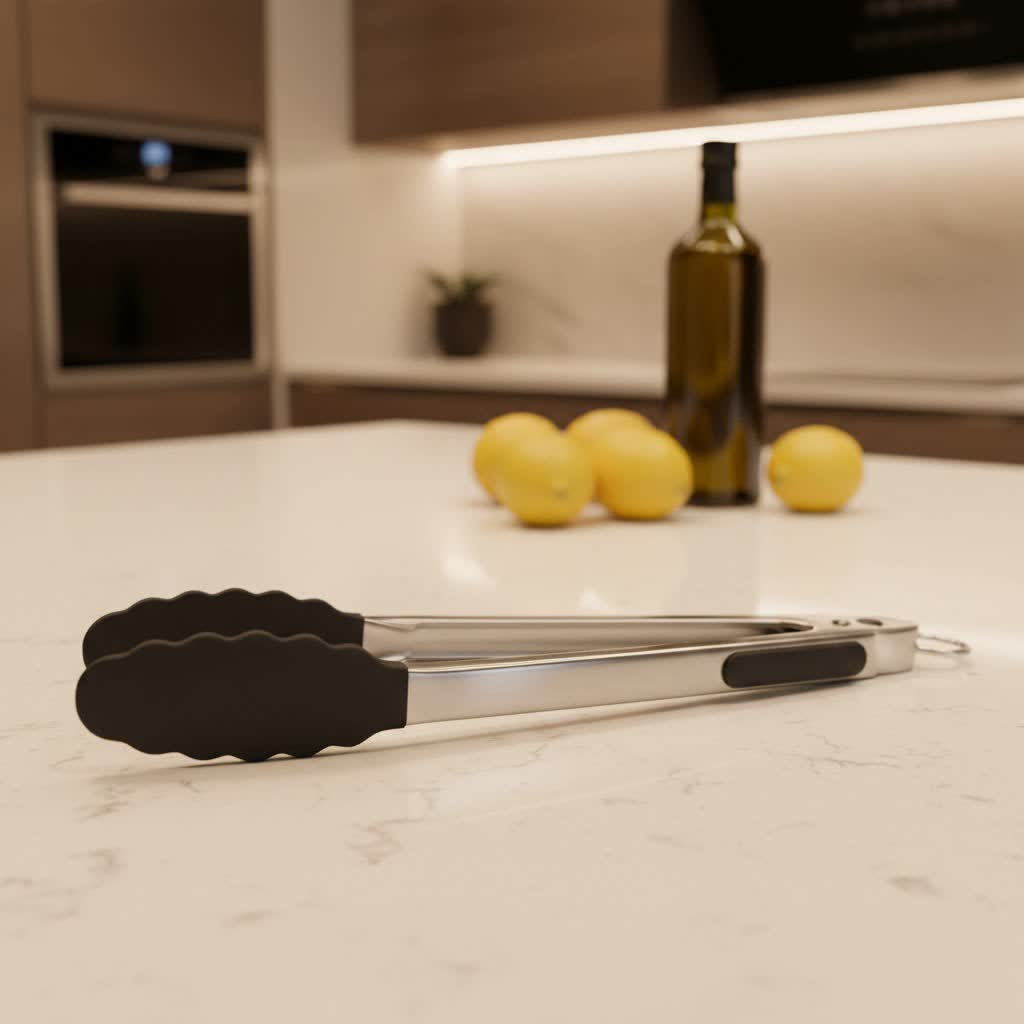
In the bustling world of culinary creation, some tools are simply indispensable. Among them, kitchen tongs stand out as an extension of your hands, offering unparalleled control and precision whether you’re searing a steak, tossing a vibrant salad, or delicately plating a masterpiece. Yet, with an overwhelming array of options available, selecting the ideal pair can feel daunting. This comprehensive guide will navigate you through the diverse landscape of kitchen tongs, ensuring you find the perfect match for your cooking style and needs.
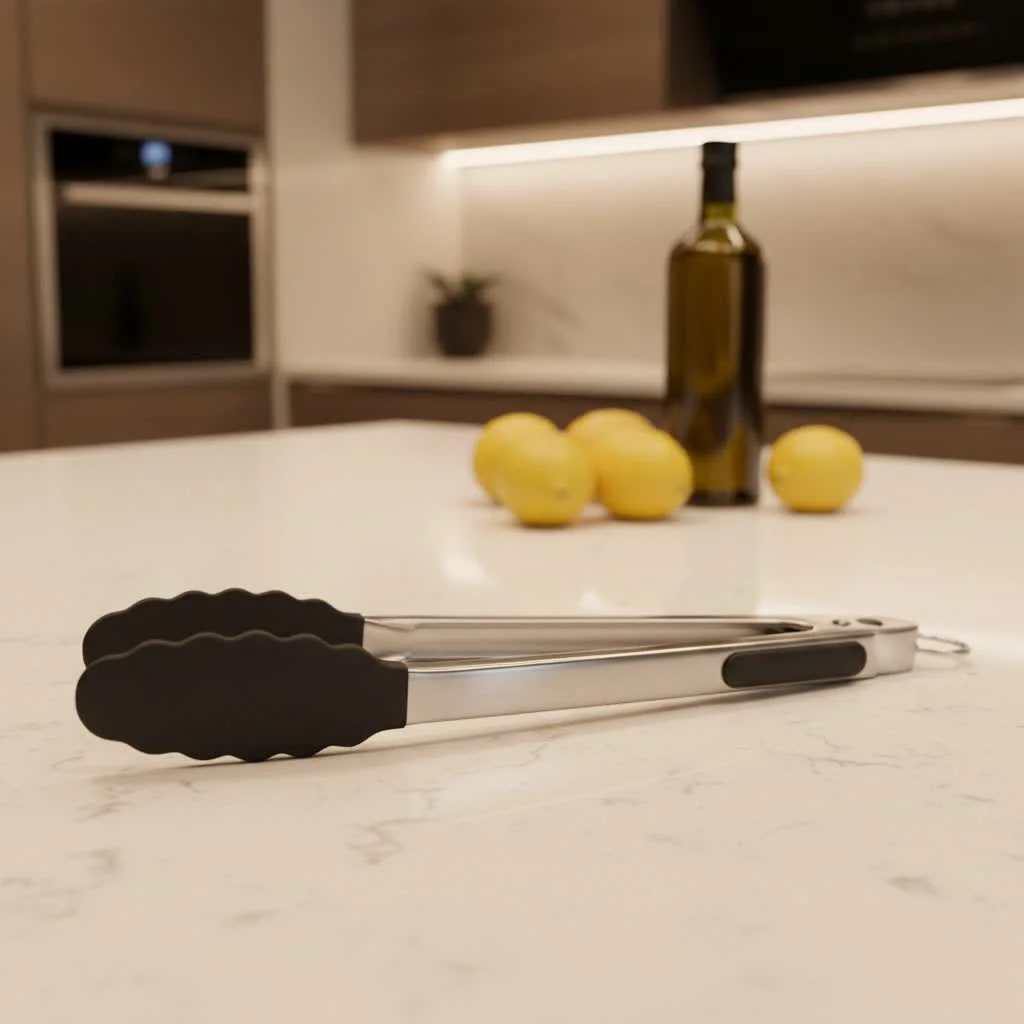

Types of Kitchen Tongs for Every Culinary Task
Kitchen tongs come in various forms, each designed to excel at specific tasks. Understanding these differences is the first step to building a versatile toolkit.
Stainless Steel Tongs
These are the workhorses of most kitchens, known for their exceptional durability and heat resistance. Stainless steel tongs are ideal for high-heat cooking tasks like grilling, frying, and stirring hot ingredients. Their sturdy construction provides a firm grip on heavy items, but they should be used with caution on non-stick surfaces as they can cause scratches.
Silicone-Tipped Tongs
Combining the strength of stainless steel with the gentle touch of silicone, these tongs are a favorite for modern kitchens. The silicone tips are non-scratch, making them perfect for use with non-stick pots and pans, and they are typically heat-resistant to high temperatures. They offer excellent grip on delicate foods and reduce the risk of tearing or damaging items.
Nylon Tongs
Nylon tongs are a lightweight and budget-friendly alternative, also safe for non-stick cookware due to their soft tips. They are generally heat-resistant but may have lower temperature limits compared to silicone. Nylon tongs are often favored for serving and lighter cooking tasks.
Scissor Tongs
Distinguished by their scissor-like handles and often longer reach, scissor tongs are designed for handling bulkier items like steamed seafood, corn on the cob, or larger cuts of meat. Their two-piece, riveted construction typically offers robust gripping power.
Utility and Locking Tongs
Utility tongs are general-purpose tongs suitable for a wide range of kitchen and serving tasks. Many utility tongs feature a locking mechanism, allowing them to be closed for compact storage in drawers, a feature that also makes them easy to transport. This design is highly practical, conserving valuable kitchen space.
BBQ and Grilling Tongs
Characterized by their extended length, barbecue tongs keep your hands a safe distance from intense grill heat. They are typically made from stainless steel, often with heat-resistant handles for comfortable use over open flames or hot grates. Their robust build is perfect for flipping hefty meats and vegetables on the grill.
Specialized Tongs
|
Our Picks for the Best Kitchen Tongs in 2026
As an Amazon Associate I earn from qualifying purchases.
|
||
| Num | Product | Action |
|---|---|---|
| 1 | Boxiki Kitchen Wooden Tongs for Cooking - Nonstick Kitchen Salad Tongs for Serving Food, Grilling, Cooking, BBQ and Tossing Salad - Made of Natural Walnut Wood, Size 12-inch |

|
| 2 | Kitchen Tongs with Silicone Tips, Tongs for Cooking Heat Resistant 600 Degrees Stainless Steel Locking Tong - 7" 9" & 12 inch Silicone Tong Non-Stick, Black Set of 3 |
|
| 3 | OXO Good Grips 9-Inch Locking Tongs with Nylon Heads |
|
| 4 | OXO Good Grips 12-Inch Stainless-Steel Locking Tongs |
|
| 5 | KitchenAid Stainless Steel Utility Tongs, 12 Inch |
|
| 6 | Tongs For Cooking - Heat Resistant 600 Degrees Stainless Steel Kitchen Tong,Heavy Duty Metal Locking Tongs - Perfect for Food,Salad and BBQ set of 3 (7",9" and 12") Dishwasher |
|
| 7 | GORILLA GRIP Stainless Steel Heat Resistant Kitchen Tongs for Cooking, Set of 2 BBQ Tong, Non Scratch Silicone Tip for Pans, Strong Grip, Grab Food, Toss Salad, Air Fryer, Pull Lock, 7 + 9 Inch, Black |
|
| 8 | HOTEC Premium Stainless Steel Locking Kitchen Tongs with Silicon Tips, Set of 2-9" and 12" |
|
| 9 | OXO Good Grips 2-Piece Tongs with Nylon Heads Set |
|
| 10 | OXO Good Grips 9 Inch Stainless Steel Locking Tongs |
|
Beyond the general-purpose, several specialized tongs cater to niche culinary needs:
- Salad Tongs: Often featuring spoon and spork ends for effortless mixing and serving of salads.
- Pasta Tongs: Designed with tooth-like ends to securely grip and serve slippery spaghetti or other noodles.
- Plating Tongs (Precision Tongs): Tweezer-shaped with fine tips, these are essential for delicate garnishing, intricate food arrangement, or removing small bones from fish.
- Flat Tongs (Pastry Tongs): With paddle-like ends, they are perfect for handling delicate pastries, baked goods, or flaky fish without causing damage.
- Ice Tongs: Small with crow-foot shaped ends, specifically designed for gripping ice cubes or small garnishes for beverages.
Essential Factors to Consider When Buying Kitchen Tongs
Choosing the right pair of kitchen tongs involves more than just picking the first one you see. Consider these key aspects to ensure you invest in a tool that truly meets your needs.
Material
The material directly impacts safety, durability, and performance. Stainless steel is renowned for its strength and heat tolerance, making it a professional favorite. For non-stick cookware, look for BPA-free, food-grade silicone tips that protect your pans while offering excellent heat resistance. Nylon is another non-scratch option, though it might not withstand the same extreme temperatures as high-quality silicone. Easy cleaning is also vital, and most quality tongs are dishwasher safe.
Size and Length
Tongs come in various lengths, each suited for different applications. Shorter tongs (7-9 inches) provide precision for delicate tasks and serving. Medium-length tongs (10-12 inches) are versatile for everyday cooking on the stovetop. Longer tongs (14-16+ inches) are crucial for grilling and deep-frying, keeping your hands safely away from intense heat.
Mechanism
The functionality of your tongs largely depends on their operating mechanism. A smooth, responsive spring action is crucial for a comfortable and precise grip, preventing food from slipping. A reliable locking mechanism is a significant advantage, allowing for compact storage and preventing accidental opening in drawers. Ensure the joints and springs feel sturdy and durable, not flimsy or cheap.
Handle
Comfort is paramount, especially during prolonged use. Look for handles made from non-slip materials like silicone or rubber, providing a secure grip even with wet or greasy hands. Ergonomic designs minimize hand fatigue and offer better control, making your cooking experience more enjoyable.
Heat Resistance
This is a critical safety feature. Ensure your tongs are rated for the temperatures you typically cook at. Stainless steel is inherently heat-resistant, but silicone or nylon tips have specific temperature limits. Using tongs beyond their rated heat resistance can lead to melting, warping, or chemical leaching, compromising both your food and your health.
Comparing Popular Kitchen Tongs Brands
Many brands offer excellent kitchen tongs, each with their own loyal following. Here’s a look at some widely recognized names and what sets them apart.
OXO, a brand often lauded by culinary experts, consistently produces top-rated kitchen tongs, particularly their Good Grips line. These tongs are known for their comfortable, non-slip handles, sturdy construction, and effective locking mechanism. They come in both stainless steel and silicone-tipped versions, catering to various cooking surfaces. Misen also receives high praise, particularly for their silicone tongs which are noted for durability and non-scratch properties. KitchenAid offers classic, durable designs, while WMF is recognized for its high-quality materials and premium feel.
| Brand | Model | Key Advantages | Potential Drawbacks |
|---|---|---|---|
| OXO | Good Grips | Comfortable grip, reliable lock, durable, versatile | Can be pricier |
| Misen | Silicone Tongs | Highly durable, non-scratch, excellent grip | Limited material options |
| KitchenAid | Classic | Timeless design, robust, good value | Fewer advanced features |
| WMF | Profi Plus | Premium materials, elegant design, excellent heat resistance | Higher price point |
How to Use and Care for Your Kitchen Tongs
Proper use and maintenance extend the lifespan of your kitchen tongs and ensure optimal performance.
To use safely and effectively, always select tongs appropriate for the task. Use silicone or nylon-tipped tongs for non-stick pans to prevent damage. For heavy items, ensure a firm, full grip to avoid dropping food. When grilling, use longer BBQ tongs to protect your hands from high heat.
Cleaning is straightforward for most modern tongs. Many are dishwasher safe, making cleanup a breeze. For handwashing, use hot, soapy water and a soft sponge. For stubborn residue, a soak in warm water with baking soda can help. Avoid abrasive scrubbers that might scratch surfaces, especially on coated tongs. After washing, ensure they are thoroughly dry before storing to prevent rust, particularly with stainless steel models. Use the locking mechanism to keep them closed for neat storage in your utensil drawer or hang them from a hook if they have a loop.
Expert Tips for Using Kitchen Tongs
- Match the Tool to the Task: Don’t use heavy-duty grilling tongs for delicate pastries. Having a selection of different types and lengths will dramatically improve your efficiency.
- Gentle Yet Firm: The art of using tongs lies in applying just enough pressure to secure the food without crushing it. This is particularly important for delicate items like fish fillets or soft vegetables.
- Temperature Awareness: Always be mindful of the heat resistance of your tongs. Never leave plastic or low-heat-resistant silicone tongs resting on a hot pan or grill.
- Practice Precision: For professional handling, try practicing flipping smaller, lighter items to develop a nuanced feel for your tongs. This can significantly improve your dexterity in the kitchen.
“A good pair of kitchen tongs isn’t just a tool; it’s an extension of your culinary instinct, allowing you to manipulate food with grace and control.” – Admin, Founder of reviewharu.com
Top Kitchen Tongs Favored by Home Cooks and Pros
Based on extensive testing and user reviews, several kitchen tongs consistently rise to the top. The OXO Good Grips 12-inch Tongs are frequently cited as a best overall choice, praised for their comfortable grips, durable construction, and reliable locking mechanism that makes them versatile for almost any task. For those prioritizing non-stick safety, the Misen Silicone Tongs are highly recommended for their robust silicone tips and excellent performance. Another strong contender, often found at great value, is the HOTEC Premium Locking Kitchen Tongs, offering a solid balance of features and affordability, often in convenient multi-packs.
Where to Buy Reliable Kitchen Tongs
Finding quality kitchen tongs is easier than ever. Reputable kitchen supply stores, large department stores with kitchenware sections, and major online retailers are excellent places to start. When shopping online, look for retailers with clear product descriptions, customer reviews, and good return policies. Checking the manufacturer’s official website can also provide assurance of authenticity and detailed product information. Always read reviews to gauge real-world performance and durability.
Your Ultimate Buying Guide for Kitchen Tongs
- Define Your Primary Use: Are you grilling frequently, or mostly doing stovetop cooking? Do you need precision for plating, or robust grip for flipping large cuts of meat? Your main activities will dictate the type, length, and material best suited for you.
- Evaluate Materials and Features: Prioritize heat resistance, non-stick compatibility (if applicable), and ease of cleaning. Look for comfortable, non-slip handles and a smooth, reliable locking mechanism for convenient storage.
- Read Reviews and Compare: Don’t just settle for the first option. Compare different brands and models based on expert reviews and feedback from other home cooks. Pay attention to common complaints and praises to make an informed decision.
- Inspect Quality Before Purchase: If buying in-store, test the spring action, grip, and locking mechanism. Ensure the tips align perfectly and the tongs feel sturdy in your hand.
Conclusion
From flipping delicate pancakes to wrangling sizzling steaks on the grill, the right kitchen tongs are an invaluable asset that elevates your cooking experience. By understanding the different types, materials, and essential features, you are now equipped to choose a pair that not only meets your needs but becomes a trusted extension of your hands in the kitchen. Invest wisely, and you’ll find yourself reaching for them almost constantly. What will be the first meal you master with your new favorite tongs?
Frequently Asked Questions
What are the best kitchen tongs for non-stick pans?
For non-stick pans, silicone-tipped or nylon tongs are highly recommended. Their soft, non-abrasive tips prevent scratches on delicate cookware surfaces while still offering a firm grip on food. Look for food-grade, BPA-free silicone for optimal safety and heat resistance.
How do I choose the right length of kitchen tongs?
The ideal length depends on the task. Shorter tongs (7-9 inches) are great for precision and serving. Medium tongs (10-12 inches) are versatile for most stovetop cooking. For grilling, deep-frying, or reaching into hot ovens, longer tongs (14-16+ inches) are crucial for safety and extended reach.
Are locking tongs better than non-locking tongs?
Locking tongs offer significant convenience by staying closed when not in use, which saves drawer space and prevents them from springing open unexpectedly. While non-locking tongs still function, the locking feature is a practical advantage for storage and ease of handling.
How do I clean my kitchen tongs?
Most kitchen tongs are dishwasher safe. For handwashing, use hot, soapy water and a sponge. For stuck-on food, you can soak them briefly before scrubbing. Always dry your tongs thoroughly to prevent rust, especially stainless steel models.
What is the difference between kitchen tongs and barbecue tongs?
The primary difference is length. Barbecue tongs are typically much longer (14-16+ inches) to keep hands safely away from the intense heat of a grill. Kitchen tongs are generally shorter (7-12 inches) for more precise control during stovetop cooking and serving.
Cooking gear we tested in our own kitchens
Free PDF — preheat times measured on 10 popular air fryers.
