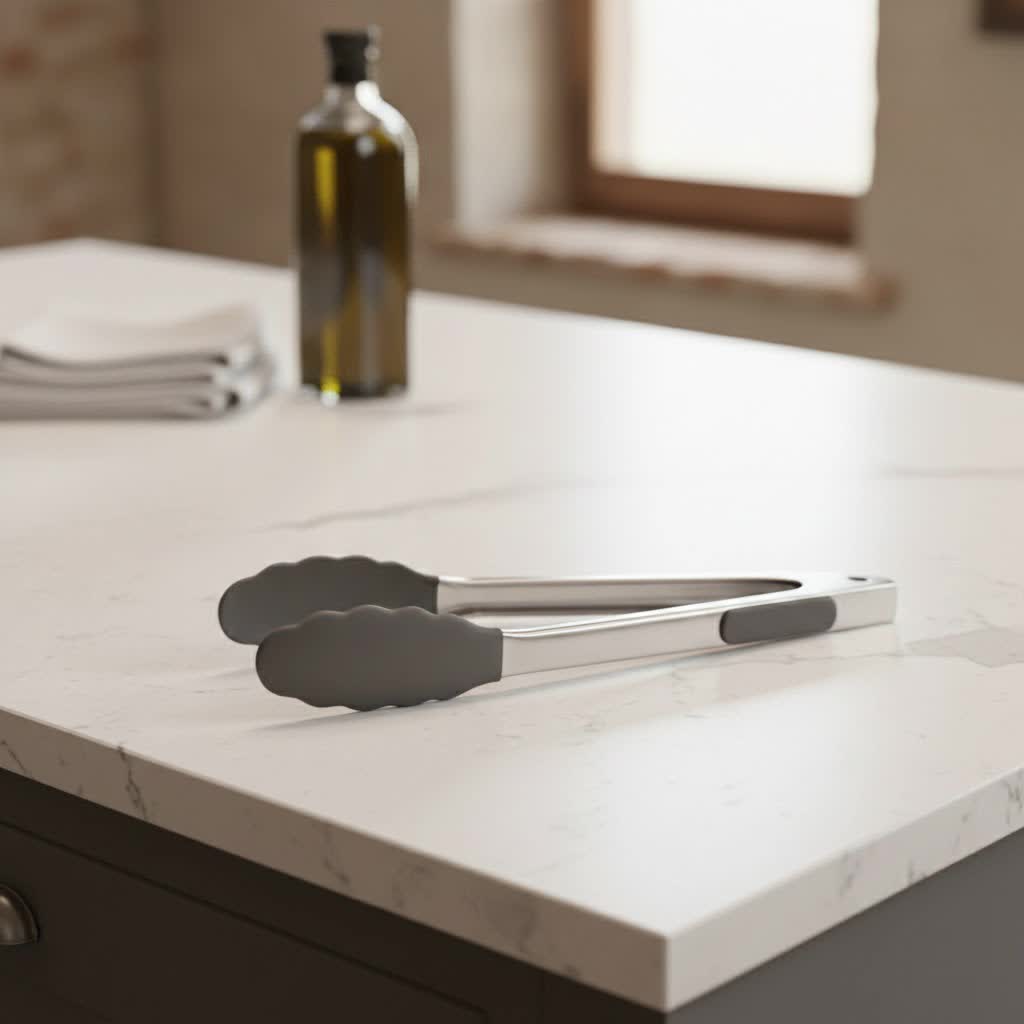
In the vibrant world of culinary arts, few tools are as universally essential yet frequently overlooked as kitchen tongs. Far more than just simple grabbing devices, the right pair of tongs can transform your cooking experience, offering precision, safety, and efficiency. Whether you’re flipping delicate fish, tossing a fresh salad, or wrangling sizzling steaks on the grill, the perfect set of tongs acts as a seamless extension of your hand. This comprehensive guide will navigate you through the diverse landscape of kitchen tongs, helping you understand their types, what makes a good pair, and how to choose the ideal companions for your culinary adventures.

Exploring the World of Kitchen Tongs: Types and Materials
Kitchen tongs come in a surprising array of designs, each tailored for specific tasks and distinguished primarily by their material and mechanism. Understanding these variations is the first step toward building a versatile toolkit.
Stainless Steel Tongs
Often considered the workhorses of the kitchen, stainless steel tongs are prized for their durability, high heat resistance, and sturdy construction. They are ideal for handling heavy items, high-heat cooking like grilling or deep-frying, and situations where precision is key. While robust, bare stainless steel tips can scratch delicate non-stick cookware, making them best suited for stainless steel pans, cast iron, or outdoor grills.
Silicone-Tipped Tongs
Combining the strength of a stainless steel body with the gentle touch of silicone tips, these tongs offer the best of both worlds. Silicone tips are highly heat-resistant (often up to 500-600°F), protect non-stick surfaces from scratches, and provide excellent grip on slippery foods. They are incredibly versatile, making them a top choice for everyday cooking, from sautéing vegetables to turning food in non-stick pans.
Nylon Tongs
Lightweight and gentle on cookware, nylon tongs are an economical option, primarily used for low-heat tasks or serving. While they protect non-stick coatings effectively, nylon has a lower heat tolerance compared to silicone and can melt or warp if exposed to high temperatures, such as direct contact with a hot pan or grill.
Wooden Tongs
With a warm, classic aesthetic, wooden tongs are excellent for delicate handling of foods like toast, pastries, or sugar cubes. They are safe for all types of cookware, including non-stick, and won’t scratch surfaces. However, they are not ideal for high-moisture environments, require hand-washing, and can absorb odors or stain over time.
Specialized Tongs for Every Task
Beyond material, tongs also vary in their tip design and length to suit specific applications:
- Scalloped Tongs: The most common type, featuring jagged or ridged edges that provide a secure grip on a wide range of foods, from large cuts of meat to individual vegetables.
- Flat Tongs (Pastry Tongs): Designed with paddle-like ends, often smooth or subtly ribbed, these tongs are perfect for handling delicate items like baked goods, rolls, or flaky fish without tearing or damaging their texture.
- Forked Tongs: Equipped with prongs at the ends, these are excellent for gripping slippery or intertwined foods such as pasta, salad greens, or sliced onions.
- Grilling Tongs: Typically longer (14-16 inches) to keep your hands safely away from intense heat, these are indispensable for barbecues and outdoor cooking.
- Plating Tongs (Tweezers Tongs): Smaller and more precise, these resemble large tweezers and are used by chefs for intricate garnishing and delicate food presentation.
- Locking Tongs: Most modern tongs feature a locking mechanism, usually a pull-tab at the end, which keeps them closed for compact storage in a drawer or utensil crock. This also helps maintain tension.
Key Factors for Choosing Your Perfect Kitchen Tongs
Selecting the right pair of kitchen tongs involves more than just picking the first one you see. Consider these crucial factors to ensure your choice aligns with your cooking habits and needs.
Material Matters: Safety, Durability, and Heat Resistance
|
Our Picks for the Best Kitchen Tongs in 2026
As an Amazon Associate I earn from qualifying purchases.
|
||
| Num | Product | Action |
|---|---|---|
| 1 | OXO Good Grips 12-Inch Stainless-Steel Locking Tongs |

|
| 2 | KitchenAid Stainless Steel Utility Tongs, 12 Inch |
|
| 3 | Boxiki Kitchen Wooden Tongs for Cooking - Nonstick Kitchen Salad Tongs for Serving Food, Grilling, Cooking, BBQ and Tossing Salad - Made of Natural Walnut Wood, Size 12-inch |
|
| 4 | HOTEC Premium Stainless Steel Locking Kitchen Tongs with Silicon Tips, Set of 2-9" and 12" |
|
| 5 | OXO Good Grips 9-Inch Locking Tongs with Nylon Heads |
|
| 6 | OXO Good Grips 9 Inch Stainless Steel Locking Tongs |
|
| 7 | Tongs For Cooking - Heat Resistant 600 Degrees Stainless Steel Kitchen Tong,Heavy Duty Metal Locking Tongs - Perfect for Food,Salad and BBQ set of 3 (7",9" and 12") Dishwasher |
|
| 8 | Kitchen Tongs with Silicone Tips, Tongs for Cooking Heat Resistant 600 Degrees Stainless Steel Locking Tong - 7" 9" & 12 inch Silicone Tong Non-Stick, Black Set of 3 |
|
| 9 | GORILLA GRIP Stainless Steel Heat Resistant Kitchen Tongs for Cooking, Set of 2 BBQ Tong, Non Scratch Silicone Tip for Pans, Strong Grip, Grab Food, Toss Salad, Air Fryer, Pull Lock, 7 + 9 Inch, Black |
|
| 10 | OXO Good Grips 2-Piece Tongs with Nylon Heads Set |
|
The material dictates both the tong’s longevity and its suitability for various cooking surfaces. Always look for food-grade materials that are BPA-free for silicone or nylon. Stainless steel offers superior durability and heat resistance for heavy-duty tasks, while silicone tips are paramount for protecting expensive non-stick cookware and providing excellent grip. Nylon is a budget-friendly option for light use, but be mindful of its lower heat tolerance.
Size and Length: Matching Tongs to Your Task
Tongs come in various lengths, each best suited for different culinary scenarios:
- Mini (4-7 inches): Ideal for delicate tasks like plating garnishes, serving appetizers, or grabbing toast.
- Medium (9-12 inches): The most versatile length, perfect for everyday stovetop cooking, tossing salads, and serving. Many culinary experts consider 12-inch tongs an excellent all-around choice.
- Long (14-16 inches): Essential for grilling, deep-frying, or reaching into a hot oven, providing a safe distance from intense heat and splashes.
Choose a length that feels comfortable and offers sufficient control without being unwieldy for the intended use.
Grip and Ergonomics: Comfort in Your Hand
A comfortable, non-slip grip is vital, especially during extended cooking sessions or when handling greasy foods. Look for handles with silicone, rubber, or soft-touch accents that provide a secure hold. Ergonomically designed handles reduce hand fatigue, ensuring the tongs feel balanced and natural in your grasp. The weight should also be appropriate – not too heavy to tire you out, but substantial enough to feel durable and controlled.
Tip Design: Secure Hold Without Damage
The design of the tong tips directly impacts performance. Scalloped edges offer superior gripping power for most foods, but ensure they are not overly sharp, which could tear delicate items. For non-stick pans, silicone-coated scalloped tips are ideal. Flat or paddle-shaped tips are best for fragile foods like pastries, ensuring they remain intact.
Locking Mechanism & Spring Tension: Ease of Use and Storage
A reliable locking mechanism, typically a pull-tab on the end, allows for compact storage, keeping your utensil drawer tidy. A well-designed spring mechanism provides the right amount of tension – strong enough to hold food securely without requiring excessive hand strength, preventing fatigue. Test the spring action to ensure it opens and closes smoothly.
Heat Resistance: A Non-Negotiable Feature
Regardless of material, ensure your tongs can withstand the temperatures they’ll encounter. Silicone-tipped tongs should clearly state their heat resistance (e.g., up to 500°F or 600°F) to prevent melting when used with hot pans or grills. Stainless steel naturally excels in high-heat environments.
Top Brands and Models: A Comparative Look
Several brands have earned a reputation for producing high-quality kitchen tongs. Here’s a comparative overview of some popular choices:
| Brand | Model | Material | Key Advantages | Considerations |
|---|---|---|---|---|
| OXO | Good Grips 12-inch Tongs | Stainless Steel / Silicone | Ergonomic, sturdy, easy-to-use locking mechanism | Silicone tips are key for non-stick |
| Misen | Silicone Tongs | Stainless Steel / Silicone | Durable, rubberized handle, prevents scratches | Slightly bulkier for some users |
| KitchenAid | Classic Tongs | Stainless Steel / Silicone | Stylish design, good balance | Fewer specialized features |
| Rösle | Stainless Steel 12-inch | Stainless Steel | High-quality, one-handed operation, robust | Premium price point |
| Walfos | Food Grade Stainless Steel | Stainless Steel / Silicone | Excellent value, long-lasting design | Brand recognition might be lower |
The OXO Good Grips 12-inch Tongs, particularly the silicone-tipped version, are consistently rated as an excellent all-around choice for their ergonomic design, durability, and versatility. For grilling, the longer OXO Good Grips 16-inch Grilling Tongs are a favorite. Misen Silicone Tongs are also highly praised for their robust build and non-scratch performance.
Beyond the Basics: Using and Maintaining Your Kitchen Tongs
Even the best tongs perform optimally with correct usage and diligent care.
Mastering the Art of the Grab
Using your kitchen tongs effectively involves selecting the right tool for the job and practicing good kitchen hygiene.
- Match the Tong to the Task: Use silicone-tipped tongs for non-stick pans to prevent damage. Opt for long metal tongs for the grill or deep fryer to ensure safety. Smaller, more delicate tongs are perfect for garnishing or serving fragile foods.
- Prevent Cross-Contamination: Always use separate tongs for raw meats and cooked foods. If you must use the same pair, wash them thoroughly with hot, soapy water between uses to prevent the spread of bacteria.
- Maintain a Secure yet Gentle Grip: Test the locking mechanism before use. Apply just enough pressure to securely hold the food without crushing or tearing it, especially with delicate items like fish or soft vegetables.
- Techniques for Precision: Learn to “tong stir” pasta gently in sauce for even coating, or use smaller tongs for precise placement of garnishes. Practice makes perfect, starting with easier items before moving to more delicate ones.
Cleaning and Care for Longevity
Proper cleaning and storage are crucial for extending the life of your kitchen tongs and maintaining hygiene.
- Immediate Cleaning: Wash tongs promptly after use to prevent food residue from drying and sticking. Use warm, soapy water and a soft sponge.
- Focus on Crevices: Pay special attention to hinges, springs, and any crevices where food particles can hide. A small bottle brush or an old toothbrush can be invaluable for scrubbing these hard-to-reach areas.
- Deep Cleaning: For stubborn grease or dried food, soak tongs in hot water with mild dish soap for about 10-15 minutes. For exceptionally greasy tongs or after handling raw meats, a solution of hot water and a tablespoon of white vinegar can help cut through grease and disinfect.
- Sanitization: Metal tongs can be sanitized by boiling them in water for 5 minutes, especially after heavy use with poultry or fish.
- Dishwasher Safe? Most stainless steel and silicone tongs are dishwasher safe, making cleanup a breeze. However, tongs with wooden handles or components should always be hand-washed and dried immediately to prevent warping, cracking, or mildew.
- Thorough Drying: Ensure tongs are completely dry before storing to prevent rust (on metal) or mildew (on wood/silicone). Air drying in a dish rack is often sufficient.
- Smart Storage: Utilize the locking mechanism to keep tongs closed, saving space in your drawers or utensil holder.
Where to Find Your Ideal Kitchen Tongs
Ready to upgrade your kitchen arsenal? High-quality kitchen tongs are widely available from various reputable sources.
- Online Retailers: Platforms like Amazon, Williams Sonoma, Sur La Table, and specialized kitchenware websites offer an extensive selection from numerous brands, often with detailed product descriptions and customer reviews.
- Brick-and-Mortar Stores: Major department stores, home goods stores (e.g., Bed Bath & Beyond), and dedicated kitchenware shops allow you to physically handle tongs, assess their weight, grip, and spring tension before purchasing.
- Specialty Stores: Professional restaurant supply stores might offer commercial-grade tongs known for their durability and performance.
When buying online, always read customer reviews, check the material specifications, and confirm the heat resistance and dishwasher safety to ensure you’re getting exactly what you need.
Your Step-by-Step Buying Guide for Kitchen Tongs
Making an informed decision ensures you invest in tongs that will serve you well for years.
- Assess Your Needs: Consider your primary cooking activities. Do you grill frequently? Work mostly with non-stick pans? Need tongs for delicate serving? This will help you determine the ideal material, length, and tip design.
- Prioritize Features: Decide which features are most important to you: ultimate heat resistance, non-scratch capability, strong grip, ergonomic handle, or a compact locking mechanism.
- Compare Your Options: Research different brands and models. Look at the pros and cons, read reviews, and check for certifications (like food-grade silicone). The comparison table above provides a good starting point.
- Inspect Quality: If possible, physically inspect tongs for solid construction, smooth operation of the spring mechanism, and well-aligned tips. For online purchases, rely on detailed descriptions and reviewer feedback regarding build quality.
- Consider Sets: Many brands offer sets of tongs in different lengths and materials, which can be a cost-effective way to acquire a versatile collection.
Conclusion
Kitchen tongs are indispensable tools that elevate both the efficiency and safety of your cooking. From the robust utility of stainless steel to the gentle precision of silicone-tipped designs, the variety available means there’s a perfect pair for every task and every chef. By carefully considering factors like material, length, grip, and tip design, and by committing to proper usage and maintenance, you can ensure your tongs remain reliable kitchen companions for years to come. Investing in quality tongs isn’t just about cooking; it’s about making every moment in the kitchen more enjoyable and effortless. What culinary challenge will your perfect pair of kitchen tongs help you conquer next?
Frequently Asked Questions
Can I use metal tongs on non-stick pans?
Directly using bare metal tongs on non-stick cookware can cause scratches and damage the coating. It is strongly recommended to use silicone-tipped tongs or nylon tongs for non-stick surfaces to protect their integrity and extend their lifespan.
What is the best length for everyday cooking tongs?
For general everyday cooking tasks on the stovetop, such as flipping food, tossing ingredients, or serving, tongs that are 10 to 12 inches long are typically considered the most versatile and comfortable to handle. Longer tongs are better suited for grilling or deep frying to keep your hands away from heat.
How do I thoroughly clean tongs with sticky residue or tight crevices?
For sticky residue, soak your tongs in hot, soapy water for 10-15 minutes before scrubbing. For tight crevices, particularly around the hinge or spring mechanism, use a small brush like a bottle brush or an old toothbrush to dislodge any trapped food particles. A white vinegar solution can also help break down grease.
Are all kitchen tongs dishwasher safe?
No, not all kitchen tongs are dishwasher safe. While most stainless steel and silicone tongs can safely go into the dishwasher, tongs with wooden handles or components should always be hand-washed to prevent warping, cracking, or damage to the wood. Always check the manufacturer’s care instructions.
Cooking gear we tested in our own kitchens
Free PDF — preheat times measured on 10 popular air fryers.
