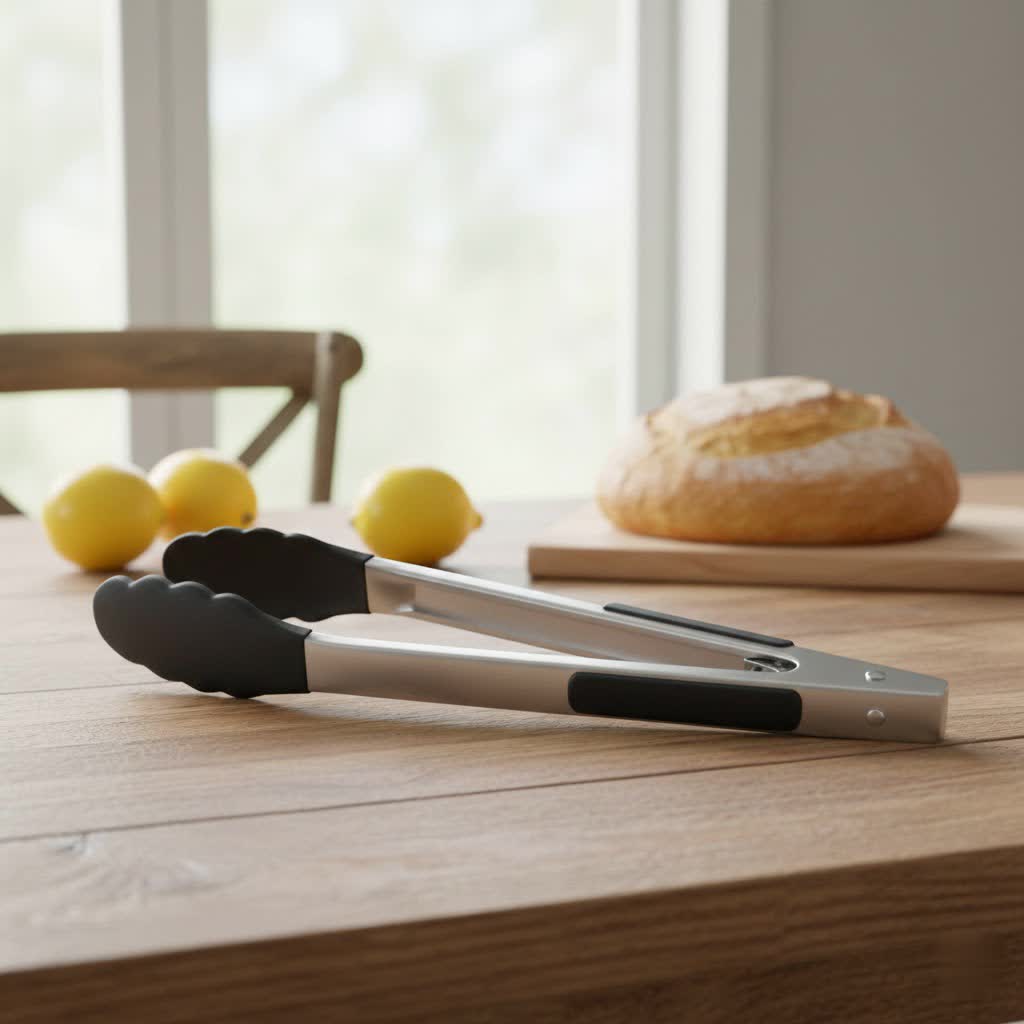
For over a decade, as the admin of reviewharu.com and a dedicated kitchen technician specializing in kitchen tongs, I’ve seen countless designs come and go. While stainless steel and silicone often grab the spotlight, plastic kitchen tongs, particularly those made from advanced polymers like nylon, offer unique benefits that make them indispensable for certain culinary tasks. They combine a lightweight design with essential functionality, especially when it comes to protecting your prized non-stick cookware.
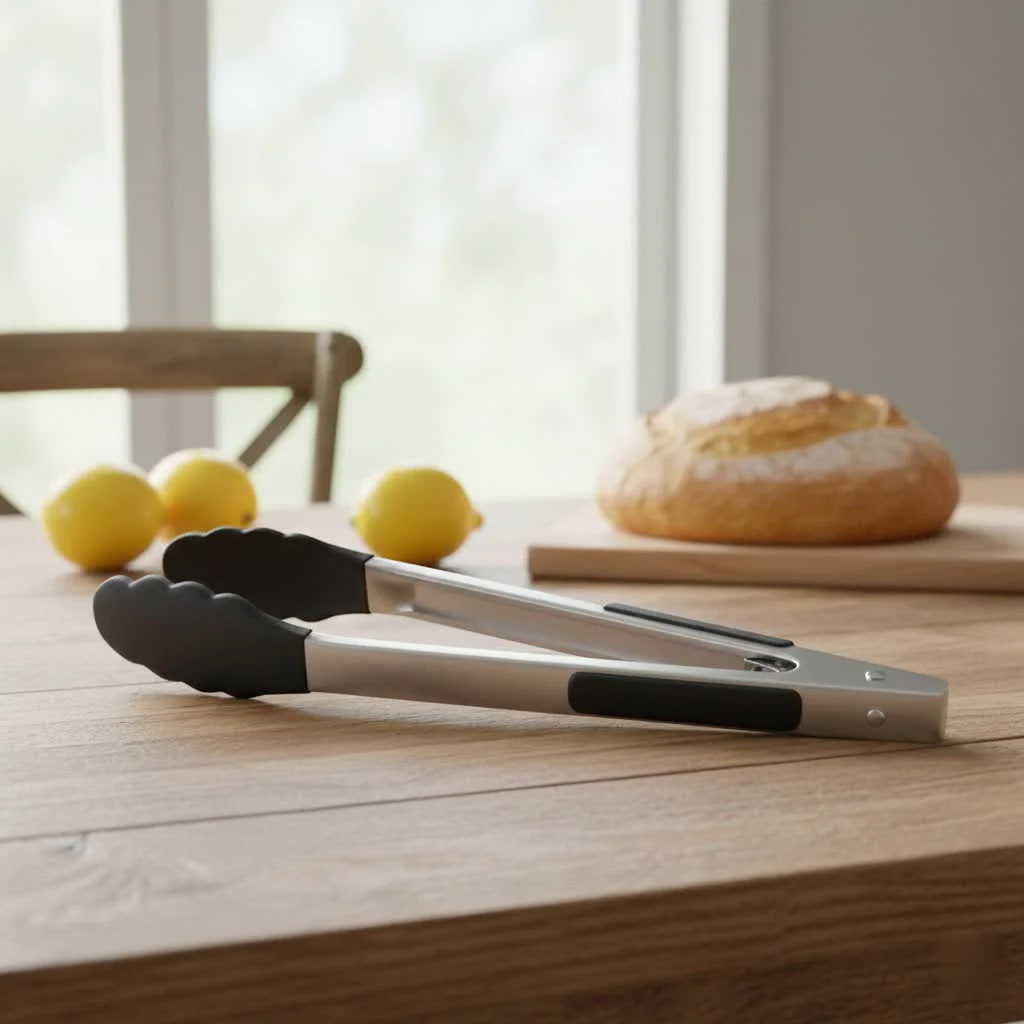
Understanding the Different Types of Plastic Kitchen Tongs
When we talk about “plastic kitchen tongs,” it’s essential to clarify what materials are typically involved. While some budget options might feature basic plastics, higher-quality “plastic” tongs usually refer to two primary categories: nylon tongs and metal tongs with plastic or silicone tips. For see our kitchen tongs recommendations on this site.
- Nylon Tongs: Crafted from a durable plastic polymer, nylon tongs are lightweight and generally gentle on cookware surfaces. They are a popular choice due to their cost-effectiveness and versatility in design [cite: 4 (Misen)]. However, their heat resistance is moderate compared to other materials.
- Silicone-Tipped Tongs: Often feature a stainless steel core for strength and durability, with the gripping ends coated in food-grade silicone. While technically not “all-plastic,” these are frequently sought by those looking for the benefits of plastic (non-scratch) with enhanced heat resistance.
Pros and Cons of Plastic and Nylon Tongs
Nylon Tongs
- Pros:
- Non-scratch: Excellent for use with non-stick, ceramic, and delicate cookware, preventing damage [cite: 4 (Misen), 5 (Food Network)].
- Lightweight: Reduces hand fatigue during extended cooking sessions [cite: 4 (Misen)].
- Cost-effective: Generally more affordable than stainless steel or premium silicone options [cite: 4 (Misen)].
- Good for delicate foods: Can handle lighter items without damage.
- Cons:
- Limited Heat Resistance: Typically withstand temperatures up to 400-425°F (204-218°C) [cite: 4 (Misen), 4 (GIR)], but can deform or even release chemicals if exposed to direct, high heat for prolonged periods [cite: 4 (Misen)].
- Durability: May not be as robust as metal tongs and can become brittle or break over time, especially with frequent use or exposure to harsh cleaning agents [cite: 1 (thinKitchen), 3 (DoubleWave)].
- Stain and Odor Retention: Can be prone to retaining food stains and odors over time [cite: 4 (Misen)].
Silicone-Tipped Tongs (as an alternative for “plastic” benefits)
- Pros:
- High Heat Resistance: Many models are heat-resistant up to 600°F (315°C), making them suitable for higher-temperature cooking [cite: 3 (Serious Eats), 5 (Better Homes & Gardens)].
- Non-scratch: Ideal for all types of cookware, especially non-stick [cite: 3 (Serious Eats)].
- Excellent Grip: Silicone offers a strong, precise grip, making it easier to handle various foods [cite: 4 (The Strategist)].
- Flexible yet Sturdy: Provides a balance of gentle handling with sufficient firmness.
- Cons:
- Cost: Often more expensive than basic nylon tongs.
- Bulkier Tips: Some silicone tips can be thicker, potentially reducing agility for very small, precise tasks compared to thin metal or nylon [cite: 3 (Serious Eats)].
Crucial Factors When Selecting Plastic Kitchen Tongs
|
Our Picks for the Best Kitchen Tongs in 2026
As an Amazon Associate I earn from qualifying purchases.
|
||
| Num | Product | Action |
|---|---|---|
| 1 | OXO Good Grips 2-Piece Tongs with Nylon Heads Set |

|
| 2 | OXO Good Grips 12-Inch Stainless-Steel Locking Tongs |
|
| 3 | Tongs For Cooking - Heat Resistant 600 Degrees Stainless Steel Kitchen Tong,Heavy Duty Metal Locking Tongs - Perfect for Food,Salad and BBQ set of 3 (7",9" and 12") Dishwasher |
|
| 4 | OXO Good Grips 9 Inch Stainless Steel Locking Tongs |
|
| 5 | HOTEC Premium Stainless Steel Locking Kitchen Tongs with Silicon Tips, Set of 2-9" and 12" |
|
| 6 | KitchenAid Stainless Steel Utility Tongs, 12 Inch |
|
| 7 | Boxiki Kitchen Wooden Tongs for Cooking - Nonstick Kitchen Salad Tongs for Serving Food, Grilling, Cooking, BBQ and Tossing Salad - Made of Natural Walnut Wood, Size 12-inch |
|
| 8 | GORILLA GRIP Stainless Steel Heat Resistant Kitchen Tongs for Cooking, Set of 2 BBQ Tong, Non Scratch Silicone Tip for Pans, Strong Grip, Grab Food, Toss Salad, Air Fryer, Pull Lock, 7 + 9 Inch, Black |
|
| 9 | Kitchen Tongs with Silicone Tips, Tongs for Cooking Heat Resistant 600 Degrees Stainless Steel Locking Tong - 7" 9" & 12 inch Silicone Tong Non-Stick, Black Set of 3 |
|
| 10 | OXO Good Grips 9-Inch Locking Tongs with Nylon Heads |
|
Choosing the perfect pair of plastic kitchen tongs involves more than just aesthetics. Consider these key elements to ensure they meet your culinary demands.
Material and Safety
The primary concern for any food-contact item is safety. Look for tongs made from food-grade, BPA-free plastic or nylon. This ensures no harmful chemicals leach into your food, especially at higher temperatures. Brands like GIR highlight their use of BPA- and BPS-free nylon blades and silicone lock tabs [cite: 4 (GIR)]. Durability is also a factor; while plastic tongs are generally less durable than metal, a well-constructed pair of nylon tongs can resist wear and tear in daily use [cite: 4 (Misen)].
Heat Resistance
This is perhaps the most critical factor for plastic tongs. Traditional plastics can melt easily at temperatures around 350°F (175°C) [cite: 3 (DoubleWave)]. Nylon tongs typically offer better heat resistance, up to 400-425°F (204-218°C), making them suitable for many cooking tasks, but they should not be left unattended in hot pans or over direct flame [cite: 4 (Misen), 4 (GIR)]. For tasks involving very high heat, silicone-tipped tongs, often rated up to 600°F (315°C), are a safer bet [cite: 3 (Serious Eats)].
Size and Length
Tongs come in various lengths, each suited for different purposes.
- Shorter (7-9 inches): Ideal for precise tasks, serving, or working with smaller foods in frying pans.
- Medium (9-12 inches): A versatile length for most everyday cooking, grilling indoors, or tossing salads.
- Longer (12-16+ inches): Best for grilling, deep-frying, or reaching into large pots to keep your hands safely away from heat [cite: 5 (Seasoned Advice)].
Mechanism and Grip
The mechanism typically involves a spring hinge, allowing the tongs to open and close easily. Look for a strong, reliable spring that provides good tension and control. “You want to stay away from low-grade, thinner stainless steel and plastic because they can melt,” advises chef Laura Calderone, also emphasizing that “the head of the tongs when closed has a solid grip. If only the tip touches, it will be harder to grip heavier food items.” [cite: 4 (The Strategist)] Scalloped edges are common and provide an enhanced grip on various food shapes [cite: 5 (Food Network)]. Ensure the tips align perfectly for precise grabbing, especially for delicate items [cite: 4 (The Strategist)].
Handle Comfort
Ergonomic handles with non-slip materials, such as silicone or textured plastic, are crucial for comfort and safety, especially during prolonged use. Smooth metal handles can become slippery.
Cookware Compatibility
One of the primary reasons to choose plastic or nylon tongs is their gentle interaction with non-stick and delicate cookware surfaces. They prevent scratches and prolong the life of your expensive pots and pans [cite: 2 (Garbo Tableware)].
Ease of Cleaning
Opt for tongs with a simple design, minimal crevices, and that are dishwasher-safe for easy and hygienic cleaning. Tongs with complex mechanisms can trap food particles [cite: 2 (Garbo Tableware)].
Comparing Notable Kitchen Tongs
While purely “plastic” tongs are less common for cooking due to heat limitations, nylon-headed and silicone-tipped tongs are excellent alternatives. Here’s a comparison of some highly-regarded options:
| Brand/Model | Material | Heat Resistance | Pros | Cons | Price Range |
|---|---|---|---|---|---|
| OXO Good Grips Nylon Heads | Stainless Steel/Nylon | Up to 400°F | Sturdy, non-scratch, good grip, reliable locking mechanism [cite: 2, 5 (Food Network)] | Lower heat limit than silicone, can stain over time [cite: 5 (Food Network)] | $15-$20 |
| GIR 12-Inch Ultimate Tongs | Stainless Steel/Nylon | Up to 425°F | BPA- & BPS-free nylon, precise grip, good for delicate foods, dishwasher safe [cite: 4 (GIR)] | Nylon can deform with direct heat exposure [cite: 4 (GIR)] | $20-$25 |
| OXO Good Grips Silicone Heads | Stainless Steel/Silicone | Up to 600°F | High heat resistance, superb grip, non-scratch, comfortable handles, easy lock [cite: 3, 4 (The Strategist), 5 (Better Homes & Gardens)] | Slightly bulkier tips, potentially higher cost | $17-$20 |
| Cuisinart Silicone-Tipped | Stainless Steel/Silicone | High Heat | Good for non-stick, sturdy, reliable | Less widely reviewed than OXO | $18-$22 |
How to Use and Care for Your Plastic Kitchen Tongs
To maximize the performance and lifespan of your plastic or nylon kitchen tongs, proper usage and care are essential.
Safe and Effective Use
- Match the tool to the task: Use plastic/nylon tongs specifically for non-stick cookware or when handling delicate foods like fish, vegetables, or pasta.
- Avoid direct flame: Never rest plastic or nylon tongs on the edge of a hot pan or directly over a flame, as this can cause melting, deformation, or chemical release, even if they are “heat-resistant” [cite: 4 (GIR)].
- Don’t force them: If food is stuck, use a spatula to loosen it first rather than excessive force, which could damage the tongs or the pan.
Cleaning and Storage
- Dishwasher-safe: Most quality plastic and nylon tongs are dishwasher-safe. For best results, place them in the utensil basket.
- Hand washing: If hand washing, use warm, soapy water and a soft sponge to clean thoroughly. Pay attention to crevices where food might accumulate.
- Prevent staining: Wash immediately after use, especially after handling highly colored or oily foods, to prevent staining and odor retention.
- Locking mechanism: Utilize the locking mechanism for compact and tidy storage in drawers or hanging from hooks. This also prevents them from springing open and taking up excessive space.
Tips for Maximizing Your Plastic Tongs’ Lifespan
With a little attention, your plastic kitchen tongs can serve you well for years.
- Rotate your tongs: For very high-heat tasks, consider using metal or silicone-tipped tongs to reduce wear on your purely plastic/nylon ones.
- Inspect regularly: Periodically check your tongs for any signs of melting, cracking, or weakening in the hinge. Replace them if you notice any damage, as compromised tongs can be unsafe or ineffective.
- Avoid abrasive cleaners: Harsh scouring pads or abrasive chemicals can damage the surface of plastic and nylon, making them more prone to staining and reducing their lifespan.
Top Plastic/Nylon Kitchen Tongs Reviewed
Based on extensive testing and user feedback, a few models consistently stand out for their quality and performance. The OXO Good Grips 12-Inch Tongs with Nylon Heads are a top contender. They are praised for their robust construction, comfortable grip, and effective locking mechanism, making them safe for non-stick surfaces while offering the rigidity of stainless steel [cite: 2, 5 (Food Network)]. Similarly, the GIR Ultimate Tongs with Nylon Blades are lauded for their precision, durability, and commitment to being BPA/BPS-free [cite: 4 (GIR)]. For those prioritizing maximum heat resistance and a stronger grip, the OXO Good Grips 12-Inch Silicone Tongs are often recommended, featuring sturdy metal arms with heat-resistant silicone tips that can withstand temperatures up to 600°F [cite: 3 (Serious Eats), 5 (Better Homes & Gardens)].
Where to Purchase Reliable Plastic Kitchen Tongs
When investing in kitchen tools, buying from reputable sources is key.
- Online Retailers: Amazon, WebstaurantStore [cite: 1 (WebstaurantStore)], and the official websites of brands like OXO and GIR are excellent places to find a wide selection and read customer reviews.
- Specialty Kitchen Stores: Stores like Williams Sonoma or Sur La Table often carry higher-quality brands and allow you to physically inspect the tongs before purchase.
- Department Stores: Major department stores with kitchenware sections can also be a good source.
Always check for certifications like “food-grade” and “BPA-free” in the product descriptions, especially when buying online.
Your Ultimate Buyer’s Guide to Plastic Kitchen Tongs
Making the right choice for your kitchen starts with understanding your needs.
- Define Your Primary Use: Will you mostly be using them for delicate non-stick pans, serving salads, or light cooking? This will influence the material and length you need.
- Prioritize Heat Resistance: If you frequently cook at high temperatures, consider silicone-tipped options for their superior heat tolerance. If your needs are moderate, quality nylon tongs will suffice.
- Check for Food Safety: Always ensure the product is explicitly labeled as food-grade and BPA-free.
- Evaluate Build Quality: Look for sturdy construction, a responsive spring, well-aligned tips, and comfortable handles. Read reviews from trusted sources like Serious Eats or Food Network for insights into real-world performance [cite: 1, 3 (Serious Eats), 2, 5 (Food Network)].
- Consider Your Budget: Plastic and nylon tongs generally offer good value, but be wary of excessively cheap options that might compromise on quality and safety.
Conclusion
Plastic kitchen tongs, particularly those crafted from high-quality nylon or featuring robust silicone tips, are invaluable tools in any home chef’s arsenal. They offer a non-scratch solution for protecting delicate cookware, provide a lightweight and often ergonomic design, and are versatile enough for many everyday tasks. By carefully considering factors like material safety, heat resistance, and design, you can confidently choose a pair that enhances your cooking experience. Are you ready to upgrade your kitchen with the perfect plastic tongs?
Cooking gear we tested in our own kitchens
Free PDF — preheat times measured on 10 popular air fryers.

I’ve been using metal tongs with silicone tips for ages, but I was curious about the full nylon tongs mentioned. Picked up a set and they’re surprisingly sturdy. They don’t feel as robust as my old ones, but they do a great job with hot foods and are super easy to clean. Good for everyday use.
These nylon tongs are exactly what I needed! I was tired of scratching my expensive non-stick cookware with my old metal ones. The lightweight design is a huge plus, and they handle high heat really well. I use them for everything from turning veggies to serving pasta. Highly recommend for anyone serious about protecting their pans.
I got a pair of these plastic tongs for my home kitchen, mostly for salads and lighter tasks. While they’re good for protecting non-stick, I found them a bit flimsy when trying to grab heavier items like a roast chicken. They work fine for smaller portions, but I’ll stick to my heavier duty options for bigger jobs. Just wish they had a bit more grip strength.
I’ve always been hesitant about plastic tongs, thinking they wouldn’t hold up. But after reading about the advanced polymers like nylon, I decided to try a pair. They’re fantastic for my non-stick pans, no scratches at all! Super lightweight and easy to handle, too. Definitely a game-changer for flipping delicate foods.