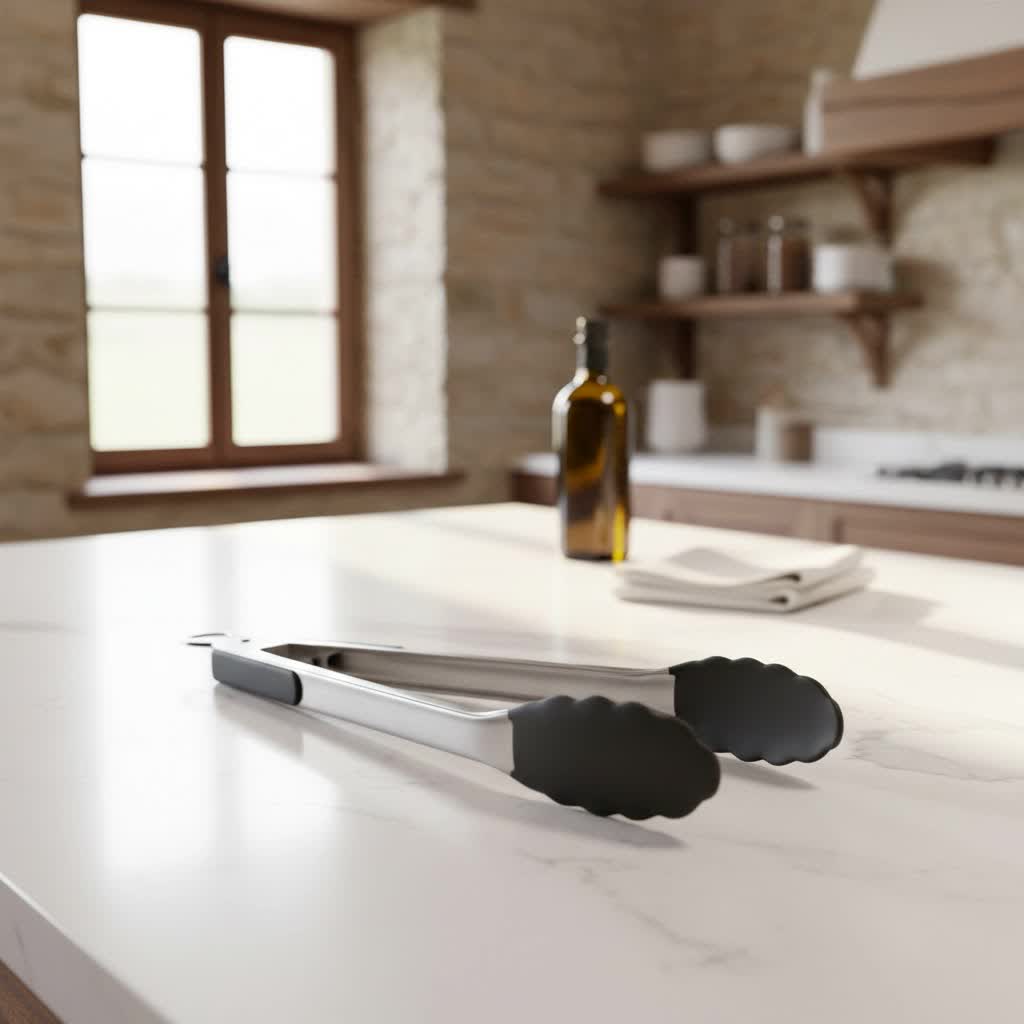
Have you ever fumbled with a delicate pastry or wrestled with a stubborn steak on the grill, wishing you had an extra pair of perfectly precise, heat-resistant hands? Enter kitchen tongs, the unsung heroes of culinary tasks, transforming everything from flipping burgers to serving spaghetti into a seamless art. For over a decade, I’ve personally put countless models to the test, from the most basic designs to advanced, high-tech versions, and I’m here to share the invaluable insights gained from years of hands-on experience. This comprehensive guide will equip you with the knowledge to select the ideal kitchen tongs for your needs, elevate your cooking prowess, and truly master this indispensable kitchen tool.
Exploring the Diverse World of Kitchen Tongs
Kitchen tongs might seem like a simple tool, but their variety is astonishing, each designed with specific culinary challenges in mind. Understanding the different types based on their material, length, and mechanism is the first step toward finding your perfect match. For see our kitchen tongs recommendations on this site.
Common Types Based on Material
The material of your kitchen tongs significantly impacts their performance, durability, and suitability for various cooking surfaces.
- Stainless Steel Tongs:
- Pros: Renowned for their exceptional durability, high heat resistance, and superior grip, making them ideal for handling heavy items like roasts or grilling tasks. Many are dishwasher-safe, ensuring easy cleanup.
- Cons: Can scratch non-stick cookware if not used carefully. May not offer the same delicate touch for fragile foods.
- Silicone-Tipped Tongs:
- Pros: The go-to choice for non-stick cookware, as their soft tips prevent scratches. They offer excellent heat resistance (often up to 500°F), a flexible yet firm grip, and are versatile for a wide range of foods, from delicate fish to larger meats.
- Cons: Can sometimes be a bit clumsier for very small items due to rounded edges and may slip slightly more than metal when handling stubborn food.
- Nylon-Tipped Tongs:
- Pros: A good middle-ground option, providing more structure and firmness than silicone while still being safe for non-stick surfaces. They are generally less expensive.
- Cons: Have lower heat resistance compared to silicone and can melt or warp at higher temperatures, making them less suitable for intense grilling or frying.
- Wooden Tongs:
- Pros: Naturally non-scratch and gentle on all cookware types, including cast iron and non-stick. They are also heat-resistant and offer a rustic aesthetic.
- Cons: Require careful hand washing and regular oiling to prevent drying and cracking. Not typically dishwasher-safe.
Common Types Based on Length and Purpose
|
Our Picks for the Best Kitchen Tongs in 2026
As an Amazon Associate I earn from qualifying purchases.
|
||
| Num | Product | Action |
|---|---|---|
| 1 | OXO Good Grips 12-Inch Stainless-Steel Locking Tongs |

|
| 2 | Boxiki Kitchen Wooden Tongs for Cooking - Nonstick Kitchen Salad Tongs for Serving Food, Grilling, Cooking, BBQ and Tossing Salad - Made of Natural Walnut Wood, Size 12-inch |
|
| 3 | Tongs For Cooking - Heat Resistant 600 Degrees Stainless Steel Kitchen Tong,Heavy Duty Metal Locking Tongs - Perfect for Food,Salad and BBQ set of 3 (7",9" and 12") Dishwasher |
|
| 4 | OXO Good Grips 2-Piece Tongs with Nylon Heads Set |
|
| 5 | Kitchen Tongs with Silicone Tips, Tongs for Cooking Heat Resistant 600 Degrees Stainless Steel Locking Tong - 7" 9" & 12 inch Silicone Tong Non-Stick, Black Set of 3 |
|
| 6 | GORILLA GRIP Stainless Steel Heat Resistant Kitchen Tongs for Cooking, Set of 2 BBQ Tong, Non Scratch Silicone Tip for Pans, Strong Grip, Grab Food, Toss Salad, Air Fryer, Pull Lock, 7 + 9 Inch, Black |
|
| 7 | OXO Good Grips 9-Inch Locking Tongs with Nylon Heads |
|
| 8 | OXO Good Grips 9 Inch Stainless Steel Locking Tongs |
|
| 9 | HOTEC Premium Stainless Steel Locking Kitchen Tongs with Silicon Tips, Set of 2-9" and 12" |
|
| 10 | KitchenAid Stainless Steel Utility Tongs, 12 Inch |
|
Length matters when it comes to tongs, directly affecting your reach, control, and safety in the kitchen.
- Utility Tongs (9-12 inches): These are your everyday workhorses, versatile enough for most stovetop cooking, tossing salads, and serving. A 10-12 inch pair is a great all-around length for stovetop tasks.
- Grilling/BBQ Tongs (14-16 inches or longer): Designed with extra-long handles to keep your hands safely away from the intense heat of a grill or smoker, perfect for flipping ribs, corn, or large cuts of meat.
- Serving Tongs: Often shorter and more elegant, designed for portioning and plating dishes with precision. Styles include pasta tongs (with unique gripping teeth) and salad tongs (often separate pieces or spring-loaded with broader scoops).
- Mini Tongs (4-6 inches): Excellent for delicate tasks, plating garnishes, serving appetizers, or handling small ingredients with fine control.
- Canning Tongs: Specifically designed with a coated grip to safely lift hot jars out of boiling water during the canning process.
Common Types Based on Mechanism
The way tongs open and close impacts their ease of use and grip strength.
- Spring-Loaded Tongs: The most common design, featuring a spring at the pivot point that keeps the tongs open. They usually have a locking mechanism (push-pull pin or gravity lock) at the handle end for compact storage.
- Scissor Tongs: Resembling a pair of scissors, these are less common for general cooking but are found in some specialized forms like carving tongs.
- One-Piece Bent Metal Tongs: Simpler designs, often seen in sugar tongs or some serving tongs, where a single piece of bent metal provides the spring action.
Key Factors to Consider When Buying Kitchen Tongs
Choosing the right kitchen tongs involves more than just picking the first pair you see. A truly great pair feels like an extension of your hand, offering precision and comfort.
Material Safety, Durability, and Heat Resistance
When it comes to kitchen tools, safety is paramount. Ensure materials are food-grade and BPA-free.
- Heat Resistance: Stainless steel can withstand extremely high temperatures, making it suitable for all cooking methods. Silicone tips are excellent for high heat up to around 500°F (260°C), outperforming nylon which can melt at lower temperatures. Always check the manufacturer’s specified heat rating.
- Durability: Metal tongs, especially stainless steel, offer superior longevity. High-quality silicone is also very durable, resisting cracks and tears.
- Ease of Cleaning: Most stainless steel and silicone tongs are dishwasher safe, simplifying cleanup. Wooden-handled tongs, however, often require hand washing.
Size and Length: Matching Tongs to the Task
The right length ensures both effectiveness and safety.
- Stovetop: For everyday frying, sautéing, or flipping, a 10-12 inch tong offers good reach and control without being unwieldy.
- Grilling: Longer tongs (14 inches or more) are essential for barbecues, protecting your hands from intense flames and heat.
- Serving/Detail Work: Shorter or mini tongs provide the delicate precision needed for plating or handling small items.
Operating Mechanism: Lock, Grip, and Spring Action
A smooth, reliable mechanism is crucial for frustration-free cooking.
- Locking Mechanism: Many modern tongs feature a locking mechanism (often a pull-tab ring at the end) that keeps them closed for compact storage. Some advanced models even offer a “gravity lock” where pointing the tongs up locks them and pointing down opens them, allowing for one-handed operation.
- Spring Tension: The spring should provide enough tension for a firm grip without causing hand fatigue. It should operate smoothly without stiffness or wobbling.
- Precision: Look for tips that align perfectly to ensure a precise grip on even small or delicate foods. Scalloped tips often provide extra grip, while flatter tips are good for getting under items.
Handle Design: Comfort and Control
A comfortable handle is vital for prolonged use and safe handling.
- Non-Slip Grip: Handles often feature silicone, rubber, or textured plastic inserts to provide a secure, non-slip grip, especially important when hands are wet or greasy.
- Ergonomics: An ergonomic design reduces strain on your hands and wrists, making the tongs comfortable to hold and manipulate for extended periods.
Tip Design
The shape and material of the tips dictate how well they interact with food and cookware.
- Scalloped Tips: Provide a superior grip on irregular shapes like meat, vegetables, or pasta.
- Flat Tips: Ideal for flipping delicate items like pancakes or fish. Some have perforated designs to drain excess liquids.
- Silicone Coating: Essential for protecting non-stick and ceramic cookware from scratches.
Comparing Popular Kitchen Tongs Brands
Many brands excel in the kitchen tongs market, each offering unique strengths. Here’s a look at some of the most reputable names.
- OXO: Widely praised for their “Good Grips” line, known for comfortable, non-slip handles and robust locking mechanisms. They offer both stainless steel and silicone-tipped options that consistently perform well in tests.
- Misen: Gaining popularity for their thoughtful design and high-quality materials. Their silicone tongs are often highlighted for durability, versatility, and non-scratch properties.
- KitchenAid: A well-known brand offering reliable and stylish kitchen tools, including durable tongs, though sometimes with fewer specialized features than some competitors.
- WMF: A German brand synonymous with high-quality stainless steel kitchenware. Their tongs are often lauded for their premium materials, elegant design, and exceptional heat resistance.
- Joseph Joseph: Known for innovative designs, their Elevate series often includes features like integrated tool rests to keep tips off surfaces, promoting hygiene.
- Rösle: Another German brand offering high-end, precision-engineered stainless steel tools. Rösle tongs are a “splurge” option, favored for their superior build quality and refined feel.
Detailed Comparison Table: Top Kitchen Tongs
| Brand | Model | Key Advantages | Potential Disadvantages | Price Range (approx.) |
|---|---|---|---|---|
| OXO | Good Grips 12-inch Tongs | Comfortable, non-slip handles; strong lock; durable | Can be bulky for smaller drawers | $16-$20 |
| OXO | Good Grips Silicone Tongs | Non-scratch for non-stick; excellent grip; heat-safe | Slightly heavier than steel | $18-$22 |
| Misen | Silicone Tongs | Durable silicone tips; versatile; good heat rating | Only heat-safe up to 450°F; may feel stiff | $19-$25 |
| Joseph Joseph | Elevate Stainless Steel | Integrated tool rest; compact locking mechanism | Less variety in tip materials | $15-$20 |
| Rösle | 12-inch Tongs | Premium stainless steel; elegant design; precise | Higher price point | $40-$50 |
| GreenPan | Silicone Locking Tongs | Non-scratch; reliable lock; eco-friendly focus | Limited specialized features | $20-$28 |
Using and Caring for Your Kitchen Tongs
Proper usage and maintenance are key to extending the life of your kitchen tongs and ensuring hygienic, effective cooking.
Safe and Effective Usage Tips
- Choose the Right Type: Use silicone or nylon-tipped tongs for non-stick cookware to prevent scratches. Reserve stainless steel tongs for high-heat cooking, grilling, or when extra grip is needed on durable surfaces like cast iron.
- Prevent Cross-Contamination: Always use separate tongs for raw meat and cooked food. If you must use the same pair, wash them thoroughly with hot, soapy water between uses to avoid bacterial transfer.
- Maintain Grip: Test the locking mechanism before use to ensure it’s functioning correctly. Use gentle but firm pressure; too much force can damage delicate foods, while too little can lead to drops.
- Optimal Length: Employ longer tongs for grilling or deep frying to keep your hands at a safe distance from intense heat and oil splatters. For stovetop tasks, a 10-12 inch tong offers the best balance of control and safety.
Essential Cleaning and Storage Practices
“The lifespan of your kitchen tongs, like any essential tool, is significantly enhanced by simple yet consistent care,” says our expert, Haru.
- Immediate Cleaning: Wash tongs immediately after use to prevent food particles from drying and sticking, especially in hinges and grooves. Warm, soapy water and a soft sponge are usually sufficient.
- Deep Cleaning: For stubborn residue or baked-on grease, soak metal or silicone tongs in hot water with mild dish soap for 15-20 minutes. A small brush can help reach tight spots in hinges and around silicone attachments. For aluminum tongs that show oxidation, a boil in a 2:1 mixture of water and white vinegar can help restore them.
- Dishwasher Safety: Most stainless steel and silicone tongs are dishwasher safe. For dishwasher cleaning, ensure they are placed in the open position on the top rack for thorough washing.
- Drying: Always dry tongs completely before storing to prevent water spots, mineral buildup, and, most importantly, rust on metal components.
- Storage: Store tongs in the closed (locked) position in a drawer or utensil holder to save space and prevent them from springing open unexpectedly. Some prefer hanging them on a rack for easy access, much like in professional kitchens.
- Wooden Handle Care: If your tongs have wooden handles, hand wash them immediately after use and dry them thoroughly. Periodically apply food-grade mineral oil or olive oil to the wood (once a month or every couple of months) to prevent drying, fraying, and cracking.
Expert Tips for Maximizing Your Kitchen Tongs
With over a decade of hands-on experience, I’ve learned a few tricks that can transform your tongs into an even more indispensable kitchen ally.
- The Right Tong for the Right Food: While utility tongs are versatile, consider specialized tongs for specific foods. Pasta tongs with their unique grip are fantastic for spaghetti, while wide, perforated tongs are excellent for delicate fish or draining fried foods.
- Professional Grip for Control: Instead of gripping the very end of the handles, hold your tongs closer to the pivot point for enhanced control and precision, especially when flipping or plating delicate items.
- Beyond the Flip: Don’t limit tongs to just flipping. Use them to whisk eggs in a pinch, fish dropped items out of hot water, pull toast from the toaster, stir ingredients, or even as an extra hand to hold down items while cutting.
Top Kitchen Tongs Recommended by the Experts
After rigorously testing numerous models, these stand out for their exceptional performance, durability, and user-friendly design.
- OXO Good Grips 12-inch Tongs (Silicone-tipped): Consistently a top performer, praised for their comfortable, non-slip silicone handles, smooth push-and-pull locking mechanism, and sturdy build. The silicone tips make them safe for all cookware, offering a firm yet gentle grip. These are the workhorse every kitchen needs.
- Misen Silicone Tongs: An excellent overall option, these tongs impressed with their durable construction and scratch-preventing silicone tips. They are a reliable choice for daily cooking tasks, offering a comfortable feel and effective grip.
- Joseph Joseph Elevate Stainless Steel Tongs: Valued for their innovative design, these tongs feature an integrated tool rest that keeps the tong heads elevated off your countertop, promoting hygiene. They combine functionality with a sleek aesthetic.
- Rösle 12-inch Tongs: If you’re looking to invest in a premium tool, Rösle offers unparalleled craftsmanship. Made from high-quality stainless steel, they provide exceptional precision and durability, making every task feel effortless.
Where to Purchase Reliable Kitchen Tongs
Investing in quality kitchen tongs means knowing where to find them.
- Online Retailers: Websites like Amazon, Williams Sonoma, Sur La Table, and directly from brand websites (OXO, Misen, WMF) offer wide selections, customer reviews, and competitive pricing. Look for official brand stores to ensure authenticity.
- Specialty Kitchen Stores: Local kitchen supply stores provide the advantage of hands-on testing and expert advice from staff. Brands like KitchenAid are often available here.
- Department Stores: Major department stores with home goods sections typically carry a range of popular kitchen tong brands.
When buying online, pay close attention to product descriptions regarding material, size, heat resistance, and customer reviews to ensure the tongs meet your specific needs.
Your Ultimate Buying Guide for Kitchen Tongs
Making an informed decision ensures you get a pair of tongs that will serve you well for years to come.
- Assess Your Primary Needs:
- Do you mostly grill? Opt for longer, sturdy stainless steel tongs.
- Do you primarily use non-stick pans? Silicone-tipped tongs are a must.
- Need precision for serving? Consider shorter, more delicate models.
- Compare Materials and Features: Weigh the pros and cons of stainless steel, silicone, and nylon based on your cooking style and cookware. Evaluate locking mechanisms, handle comfort, and tip design.
- Read Reviews and Brand Reputation: Look for consistent positive feedback on durability, ease of use, and heat resistance. Brands like OXO and Misen are consistently highly rated.
- Check Quality Before Purchase: If buying in person, test the spring action, handle comfort, and tip alignment. For online purchases, scrutinize product images and descriptions for indicators of quality craftsmanship.
Conclusion
From flipping delicate pancakes to wrangling sizzling steaks on the grill, kitchen tongs are undeniably an indispensable tool that elevates cooking efficiency and safety. Understanding the diverse types, crucial buying factors, and proper care will empower you to select a pair that truly performs as a seamless extension of your hand. By investing in quality tongs and maintaining them diligently, you’re not just buying a utensil; you’re enhancing your entire culinary journey. Which type of kitchen tongs do you find most essential in your cooking repertoire?
Frequently Asked Questions
What are the main differences between silicone and stainless steel kitchen tongs?
Silicone-tipped tongs are gentle on non-stick cookware and offer excellent heat resistance, while stainless steel tongs provide superior grip for heavy items and durability for high-heat cooking. Many chefs prefer to have both for different tasks.
Are all kitchen tongs dishwasher safe?
Most stainless steel and silicone kitchen tongs are dishwasher safe, especially if placed in the open position on the top rack. However, wooden-handled tongs generally require hand washing and immediate drying to prevent damage.
What is the ideal length for general-purpose kitchen tongs?
For general-purpose kitchen use, particularly for stovetop cooking, tongs between 10 to 12 inches are typically ideal. This length offers a good balance of reach, control, and comfort without being too cumbersome.
How do I prevent my kitchen tongs from rusting?
To prevent metal kitchen tongs from rusting, ensure they are thoroughly dried immediately after washing, especially if hand-washed. Avoid leaving them to air dry for extended periods, and store them in a dry environment.
Can I use the same tongs for raw and cooked meat?
No, it is highly recommended to use separate tongs for raw and cooked meat to prevent cross-contamination and the spread of foodborne pathogens. If only one pair is available, wash and sanitize them thoroughly between uses.
Cooking gear we tested in our own kitchens
Free PDF — preheat times measured on 10 popular air fryers.

I’ve always struggled with flipping delicate items like fish fillets without them breaking apart. The advice here about silicone-tipped tongs for non-stick pans was a game-changer. I picked up a pair and they’re fantastic for handling everything gently. No more ruined dinners!
I’m a professional cook and I appreciate the deep dive into different types of tongs. I’ve been using the same old stainless steel ones for years, but after reading this, I invested in some heavy-duty grill tongs. They’re perfect for managing large cuts of meat on the BBQ, much better than my old ones.
Finally, someone talks about the importance of locking mechanisms! My old tongs always sprang open in the drawer, taking up too much space. The tip about choosing tongs with a reliable locking feature made a huge difference. My kitchen drawers are much tidier now.
I was looking for tongs for serving spaghetti, and while the guide mentioned them, I found the specific recommendations a bit vague for that use. The ones I ended up getting are okay, but the grip isn’t as good as I’d hoped for twirling pasta. Still, it was helpful for understanding the different materials.