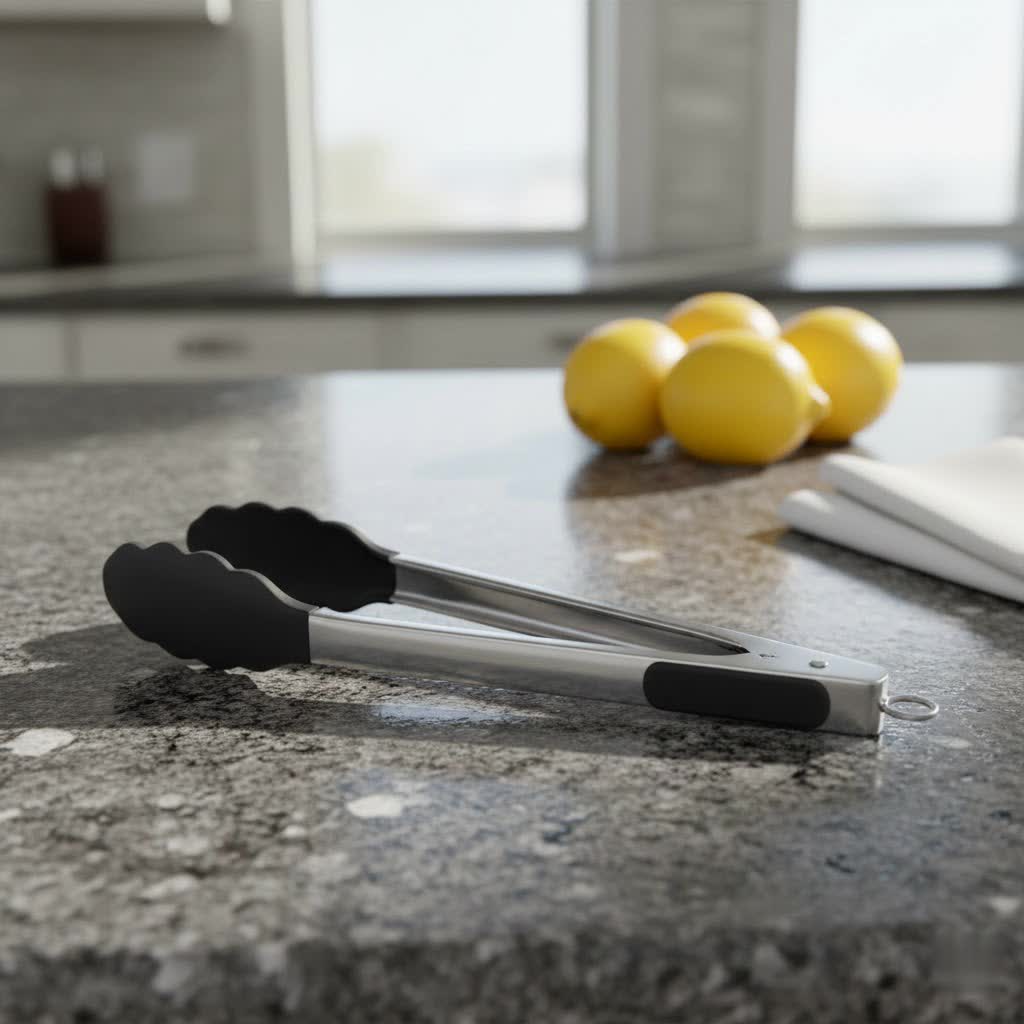
Step into any kitchen, and you’ll quickly realize that the right tools make all the difference. While countless modern gadgets promise convenience, some timeless essentials continue to prove their worth. Among them, wooden kitchen tongs stand out as a blend of tradition, functionality, and undeniable charm. Are you ready to discover how these humble utensils can transform your culinary experience? Let’s dive into the world of wooden tongs, exploring their unique benefits, diverse types, crucial selection criteria, and the simple art of keeping them in pristine condition.
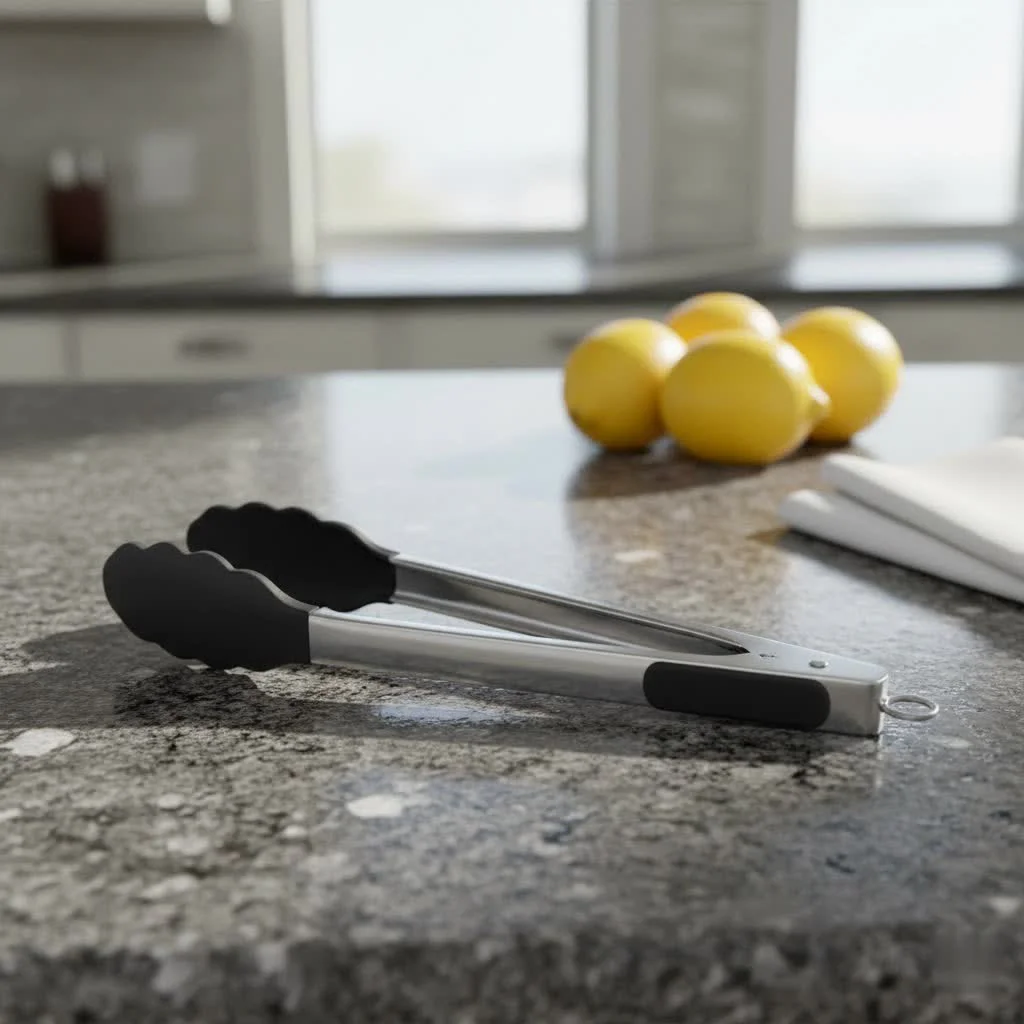
The Enduring Appeal of Wooden Kitchen Tongs
Wooden kitchen tongs are more than just rustic accents; they are workhorses engineered by nature itself. Their popularity stems from a host of practical advantages that cater to both novice cooks and seasoned chefs. One of the primary benefits is their inherent gentleness. Unlike metal tongs that can scratch delicate non-stick coatings or seasoned cast iron, wooden tongs glide across surfaces, preserving your cookware’s integrity. For kitchen tongs buying guides on this site.
Beyond protecting your pots and pans, wood is an excellent insulator. This means that while you’re flipping sizzling bacon or stirring a hot stew, the handles of your wooden tongs remain comfortably cool to the touch, preventing accidental burns. They won’t melt or warp under high heat, a common issue with some plastic or silicone alternatives. Moreover, quality wooden tongs are non-reactive, ensuring that they won’t leach harmful chemicals into your food or impart an unpleasant metallic taste, a concern that can arise with certain metal utensils when interacting with acidic ingredients.
Many types of wood, such as pine, oak, and teak, possess natural antibacterial properties, contributing to a more hygienic kitchen environment. When properly cared for, wooden tongs are remarkably strong and durable, designed to last for years, often becoming cherished hand-me-down tools. Their natural aesthetic also adds a warm, organic touch to any kitchen decor, elevating both cooking and serving with a timeless elegance. Finally, choosing wooden tongs supports sustainability; as a renewable resource, wood offers an eco-friendly alternative to synthetic materials, ultimately being biodegradable at the end of its long life.
Unveiling the Varieties: Types of Wooden Kitchen Tongs
The world of wooden kitchen tongs is surprisingly diverse, with designs tailored for specific culinary tasks and a range of beautiful wood types. Understanding these variations can help you select the perfect pair for your needs.
Based on Function:
- Toast Tongs: These are typically shorter, often 6 to 8 inches long, designed for safely retrieving toast, bagels, or muffins from a hot toaster. Many feature a small magnet for convenient storage on the side of the toaster or refrigerator.
- Salad Tongs: Longer and often more elegant, salad tongs are perfect for tossing and serving salads, pasta, or bread rolls. They might consist of two separate pieces designed to work together like a spoon and fork, or a single piece with a spring-like flex.
- Cooking & Grilling Tongs: These are generally robust and come in various lengths (from 9 to 16 inches or more). Longer versions are ideal for grilling, allowing you to keep a safe distance from heat, while shorter ones are great for flipping items in a pan or turning food in an air fryer.
- Appetizer/Serving Tongs: Smaller and more delicate, these are used for precise handling of appetizers, cheese cubes, fruit slices, or other small items on a charcuterie board.
Based on Wood Type:
The material significantly impacts durability, appearance, and feel. High-quality wooden tongs are often crafted from hardwoods known for their strength and longevity.
- Maple: A light-colored, fine-grained wood, very durable and resistant to dents.
- Cherry: Known for its rich color that deepens with age, cherry is sturdy and smooth.
- Walnut: A beautiful dark wood with distinct grain patterns, offering excellent durability.
- Oak: A strong, heavy wood, highly resistant to wear. Some types, like oak, possess natural antibacterial qualities.
- Teak: Prized for its water resistance and durability, teak is often used for outdoor furniture and holds up well in the kitchen.
- Olive Wood: Features striking grain patterns, is very hard, dense, and naturally resistant to bacteria.
- Jatoba-Ebony: These are exotic hardwoods, extremely dense and durable, often used in artisan-crafted tongs for their beautiful dark hues and strength.
While often grouped with “wooden” tongs, Bamboo deserves a special mention. It’s technically a grass, but it’s widely used for kitchen utensils. Bamboo tongs are lightweight, sustainable, and naturally resistant to stains and odors. However, some lower-quality bamboo can be prone to splintering or may be constructed with glues, so it’s essential to look for solid, well-finished pieces.
The mechanism of wooden tongs typically relies on the natural flexibility of the wood itself to create a spring-like action for gripping. Some designs might incorporate a metal hinge for added tension, though all-wood designs are more common, celebrated for their seamless construction.
Essential Factors When Choosing Your Wooden Kitchen Tongs
|
Our Picks for the Best Kitchen Tongs in 2026
As an Amazon Associate I earn from qualifying purchases.
|
||
| Num | Product | Action |
|---|---|---|
| 1 | Boxiki Kitchen Wooden Tongs for Cooking - Nonstick Kitchen Salad Tongs for Serving Food, Grilling, Cooking, BBQ and Tossing Salad - Made of Natural Walnut Wood, Size 12-inch |

|
| 2 | OXO Good Grips 2-Piece Tongs with Nylon Heads Set |
|
| 3 | OXO Good Grips 9-Inch Locking Tongs with Nylon Heads |
|
| 4 | GORILLA GRIP Stainless Steel Heat Resistant Kitchen Tongs for Cooking, Set of 2 BBQ Tong, Non Scratch Silicone Tip for Pans, Strong Grip, Grab Food, Toss Salad, Air Fryer, Pull Lock, 7 + 9 Inch, Black |
|
| 5 | Kitchen Tongs with Silicone Tips, Tongs for Cooking Heat Resistant 600 Degrees Stainless Steel Locking Tong - 7" 9" & 12 inch Silicone Tong Non-Stick, Black Set of 3 |
|
| 6 | OXO Good Grips 12-Inch Stainless-Steel Locking Tongs |
|
| 7 | KitchenAid Stainless Steel Utility Tongs, 12 Inch |
|
| 8 | OXO Good Grips 9 Inch Stainless Steel Locking Tongs |
|
| 9 | Tongs For Cooking - Heat Resistant 600 Degrees Stainless Steel Kitchen Tong,Heavy Duty Metal Locking Tongs - Perfect for Food,Salad and BBQ set of 3 (7",9" and 12") Dishwasher |
|
| 10 | HOTEC Premium Stainless Steel Locking Kitchen Tongs with Silicon Tips, Set of 2-9" and 12" |
|
Selecting the perfect pair of wooden kitchen tongs involves more than just aesthetics; it’s about finding tools that are safe, effective, and built to last. Considering these key factors will guide you toward an ideal choice for your culinary arsenal.
Material Quality and Safety:
Prioritize tongs made from food-grade wood, meaning they are free from harmful chemicals, lacquers, or dyes that could leach into your food. Hardwoods like maple, cherry, walnut, teak, and olive wood are generally preferred due to their density and resistance to cracking, warping, and splintering. Look for tongs crafted from a single piece of wood rather than multiple pieces glued together. Glued construction, especially if using non-food-safe adhesives, can weaken over time, leading to splitting and potential hygiene issues where food particles can get trapped.
Size and Length:
The appropriate length of your tongs largely depends on their intended use.
- Short tongs (6-9 inches) are excellent for precision tasks, retrieving items from toasters, or serving small appetizers.
- Medium tongs (10-12 inches) are versatile for general cooking tasks like flipping vegetables, turning meat in a pan, or serving salads.
- Long tongs (14-16+ inches) are indispensable for grilling, deep-frying, or reaching into large pots, offering a crucial barrier between your hands and high heat sources. Ensure the length feels balanced and comfortable in your hand for optimal control.
Design and Ergonomics:
A well-designed pair of wooden tongs should feel like an extension of your hand.
- Comfortable grip: Look for smooth, ergonomic handles that fit well in your hand, even during prolonged use. Some designs feature subtle contours for enhanced grip.
- Mechanism: Most wooden tongs rely on the natural flex of the wood. Test the tension to ensure it provides a secure grip without requiring excessive force, which can lead to hand fatigue. If a spring or hinge is present, verify its durability and smooth operation.
- Tip Design: The ends of the tongs can vary. Scalloped tips offer a firmer grip on slippery or irregularly shaped foods, while flat or paddle-shaped tips are ideal for delicate items like pastries or fish, preventing tearing.
- Magnetic features: For toast tongs, a small integrated magnet is a convenient design element for easy storage.
Heat Resistance:
While wood is naturally heat-resistant, its ability to withstand extreme temperatures without charring or drying out is crucial. Hardwoods generally perform better in high-heat environments. Always ensure the tongs are designed for the temperatures you typically cook with. Rest assured, wooden tongs will remain cool to the touch, unlike their metal counterparts.
By carefully considering these factors, you can invest in wooden kitchen tongs that not only complement your kitchen’s aesthetic but also serve as reliable, safe, and efficient tools for years to come.
Wooden Tongs vs. Bamboo Tongs: A Quick Comparison
When choosing natural kitchen utensils, wooden tongs and bamboo tongs often appear as primary contenders. While both offer eco-friendly advantages, understanding their distinct characteristics can help you make an informed decision based on your priorities.
| Feature | Wooden Tongs (Hardwood) | Bamboo Tongs |
|---|---|---|
| Material | Typically from trees like maple, cherry, oak, teak | Technically a grass, grows rapidly |
| Durability | Very durable, especially hardwoods; less prone to splintering if solid construction. Can crack if dried out. | Durable and strong, but some lower-quality bamboo can splinter over time. Often laminated/glued. |
| Aesthetic | Classic, rich grain patterns, warm, traditional look | Lighter, more uniform appearance, often with visible grain nodes, modern/minimalist |
| Sustainability | Renewable resource, but hardwoods grow slowly (e.g., decades to mature) | Highly renewable and fast-growing, making it very eco-friendly |
| Weight | Generally heavier and more substantial feel | Lightweight and easy to handle |
| Stain/Odor Absorption | Can absorb flavors and odors over time if not properly sealed and cared for | Naturally more resistant to stains and odors |
| Maintenance | Requires regular oiling to prevent drying and cracking. Hand wash only. | Easier to maintain; less moisture absorption. Hand wash recommended. |
| Cost | Can be moderately to highly priced, especially for artisan hardwoods | Generally more affordable |
Hardwood wooden tongs are prized for their exceptional durability and classic, elegant appearance. If crafted from a single, solid piece of quality hardwood, they are less likely to splinter than some bamboo alternatives and can last a lifetime with proper care. However, they demand consistent oiling to prevent drying and cracking, and they can absorb strong odors or colors over time.
Bamboo tongs, on the other hand, shine in their sustainability and affordability. As one of the fastest-growing plants, bamboo is a highly renewable resource. It’s lightweight, naturally resistant to moisture, stains, and odors, often requiring less rigorous oiling than traditional hardwoods. The main considerations with bamboo are the potential for splintering in lower-quality products and the fact that many bamboo utensils are made from laminated strips, which means checking for food-safe glues is important.
Ultimately, your choice depends on what you value most. If you seek a robust, long-lasting tool with a timeless appeal and are committed to regular maintenance, hardwood wooden tongs are an excellent investment. If eco-friendliness, a lighter feel, and lower initial cost are higher priorities, quality bamboo tongs can be a fantastic addition to your kitchen.
Nurturing Your Wooden Tongs: Usage and Care Guide
Your wooden kitchen tongs, if properly cared for, can be a faithful companion in your kitchen for decades. The key to their longevity lies in understanding simple usage and maintenance practices that protect their natural integrity.
Safe & Effective Use:
Always match the tong type to your task. Use long tongs for grilling or deep pots to prevent burns, medium tongs for turning delicate items in a pan, and short tongs for toast. While wood is gentle on cookware, avoid using excessive force that could potentially damage the tongs or the food. Keep your wooden tongs away from direct, sustained flame, as they can char over time.
Cleaning Essentials:
The golden rule for wooden utensils is hand washing. Immediately after use, wash your wooden tongs with warm water and a mild dish soap. You can use the soft side of a sponge or a non-abrasive scrub brush to gently clean off food residue.
- Never put wooden tongs in the dishwasher. The intense heat, harsh detergents, and prolonged exposure to water in a dishwasher will strip the wood of its natural oils, leading to dryness, warping, cracking, and splintering.
- Never let your wooden tongs soak in water. Extended submersion causes the wood to swell and then shrink as it dries, which weakens the fibers and makes them highly susceptible to cracking and splitting.
Drying Properly:
After washing, pat your tongs dry with a clean towel. Then, allow them to air dry completely before storing them. Standing them upright in a utensil holder or laying them flat on a drying rack promotes even drying and prevents moisture from accumulating, which could lead to mold or mildew.
Oiling/Seasoning for Longevity:
Oiling is perhaps the most crucial step in maintaining your wooden tongs. It replenishes the wood’s natural oils, preventing it from drying out, cracking, and looking dull.
- Frequency: Aim to oil your wooden tongs monthly or every couple of months, or whenever they start to look dry, faded, or rough to the touch.
- Method: Use a food-grade mineral oil, olive oil, walnut oil, or a specialized “spoon butter” (a blend of mineral oil and beeswax). Apply a generous amount to a clean, dry cloth and rub it liberally over all surfaces of the tongs. Allow the oil to soak in for several hours, ideally overnight. The wood will absorb what it needs.
- Finishing: After soaking, wipe off any excess oil with a clean, dry cloth. Your tongs will look refreshed, feel smooth, and be better protected against moisture and wear. For an extra layer of protection and a beautiful sheen, a beeswax-based wood conditioner can be buffed in after oiling.
Troubleshooting Common Issues:
- Odors: If your tongs absorb strong odors like garlic or onion, rub them down with a lemon wedge after washing. The lemon’s acidity helps neutralize lingering smells.
- Raw Meat Contact: If your tongs come into contact with raw meat, after thoroughly washing with soap and water, you can rub the surface with a small amount of 3% hydrogen peroxide. Let it sit for a few minutes, then rinse well and dry. This helps sanitize the wood more effectively.
- Rough Patches: If your tongs develop minor rough patches or feel a bit fuzzy, you can restore them by gently sanding the affected areas with fine-grit sandpaper (200-400 grit). After sanding, wash the tongs, let them dry completely, and then re-oil them to seal the wood.
By adhering to these simple care guidelines, your wooden kitchen tongs will remain beautiful, functional, and a reliable part of your kitchen for many years, proving that sometimes, the simplest tools are truly the best.
Top Wooden Tongs Recommendations
When seeking out the best wooden kitchen tongs, it’s less about a specific brand and more about the inherent quality of craftsmanship and materials. High-quality wooden tongs share several characteristics that ensure durability, functionality, and aesthetic appeal.
Look for tongs crafted from solid, high-density hardwoods such as maple, cherry, walnut, teak, or olive wood. These woods are known for their strength, resistance to warping and cracking, and beautiful natural grain. Tongs made from a single piece of wood, rather than glued laminations, often offer superior longevity and resilience.
Consider the design and finish. The best wooden tongs will have a smooth, splinter-free finish, ensuring they are comfortable to hold and easy to clean. Ergonomic designs that fit naturally in your hand, providing a firm but gentle grip, are paramount. Whether you prefer the natural flex of a solid-wood design or a model with a subtle, durable hinge, the mechanism should offer responsive control for various tasks. For toast tongs, a small integrated magnet is a thoughtful feature for convenient storage.
While a “top product list” can be subjective and rapidly change, focusing on these quality markers will lead you to excellent options. Artisan-crafted tongs, often found through specialty kitchenware stores, farmers’ markets, or online craft platforms like Etsy, frequently embody these high standards. Reputable kitchen brands that prioritize natural materials may also offer solid hardwood options. When shopping online, always check customer reviews for feedback on durability, finish quality, and ease of use.
Mua Kitchen Tongs Ở Đâu Uy Tín?
Finding reliable places to purchase high-quality wooden kitchen tongs is essential for ensuring you get a product that meets your expectations for durability and safety. Consider these avenues for your next purchase:
- Specialty Kitchen Stores: Local kitchen supply stores or gourmet shops often carry a curated selection of artisan-made or higher-end wooden utensils. The staff can provide expert advice on different wood types and care.
- Artisan Craft Markets & Websites: Many independent woodworkers create beautiful, handcrafted wooden tongs. Websites like Etsy or local craft fairs are excellent places to find unique, high-quality pieces, often with customizable options.
- Online Retailers: Major online marketplaces (like Amazon or department store websites) offer a vast array of wooden tongs. Filter for specific wood types (e.g., “teak tongs,” “olive wood tongs”) and prioritize products with high ratings and detailed reviews, especially those mentioning solid construction and smooth finish. Look for brand names known for quality kitchenware.
- Direct from Manufacturers: Some companies specialize in wooden kitchen tools, such as Earlywood or Heritage Steel (who partner with woodworkers). Buying directly ensures authenticity and often comes with comprehensive care instructions.
- Home Goods Stores: Larger home goods or department stores might carry a selection, particularly for salad or serving tongs. Check the material specifications carefully to ensure you’re getting solid wood rather than composite or low-quality bamboo if you’re aiming for traditional hardwood.
Tips for Buying Online:
- Read Product Descriptions Carefully: Look for details on the type of wood, whether it’s a single piece or glued, and if any finishes or lacquers are used (ensure they are food-safe).
- Examine Images: Zoom in on product photos to check the grain, finish, and overall construction quality.
- Check Reviews: Pay attention to comments regarding durability, splintering, ease of cleaning, and how the tongs hold up over time.
- Return Policy: Verify the retailer’s return policy in case the product doesn’t meet your expectations.
By doing a little research and being discerning, you can confidently find a pair of wooden kitchen tongs that will be a joy to use for many years.
Hướng Dẫn Mua Kitchen Tongs
Navigating the market for kitchen tongs can be overwhelming with so many options available. When it comes to wooden kitchen tongs, a structured approach will help you make the best choice for your culinary adventures.
-
Xác định nhu cầu sử dụng (Identify Your Usage Needs):
- What will you primarily use them for? Toast? Salad? Flipping food in a pan? Grilling? Serving appetizers? This will dictate the ideal length, tip style, and overall robustness. Short tongs are great for toasters, while long tongs are essential for grilling.
- What type of cookware do you use? If you have non-stick pans, wooden tongs are an excellent choice as they won’t scratch surfaces.
- How often will you use them? For daily cooking, invest in a durable, high-quality pair. For occasional serving, a more decorative or specialized pair might suffice.
-
So sánh các lựa chọn (Compare Your Options):
- Material: Hardwoods (maple, cherry, walnut, teak, olive wood) offer superior durability and aesthetic appeal. Bamboo is a sustainable, lightweight, and affordable alternative. Understand the pros and cons of each as discussed earlier.
- Construction: Look for tongs made from a single piece of wood for maximum durability. If laminated, ensure food-grade adhesives are used.
- Design & Ergonomics: Evaluate the grip comfort, the tension of the tongs (for gripping power), and the shape of the tips (scalloped for grip, flat for delicate foods).
- Length: Choose a length appropriate for your primary tasks.
- Price: Wooden tongs range in price. Artisan-made or exotic hardwood options will be more expensive but often offer exceptional quality and longevity.
-
Kiểm tra chất lượng sản phẩm trước khi mua (Inspect Product Quality Before Purchase):
- Finish: The wood should be smooth, free from splinters, rough edges, or cracks.
- Sturdiness: The tongs should feel solid and well-constructed, not flimsy.
- Flex/Tension: Test the gripping action. It should be firm enough to hold food securely but not so stiff that it causes hand fatigue.
- Smell: High-quality wood should have a natural woody scent, not a strong chemical odor, which could indicate harmful finishes.
By following these steps, you can confidently select wooden kitchen tongs that are not only beautiful but also perfectly suited to your cooking style and built to withstand the test of time in your kitchen.
Conclusion
Wooden kitchen tongs stand as a testament to the enduring value of natural materials in our modern kitchens. Their unique combination of gentle non-scratch capabilities, natural heat resistance, non-reactive properties, and charming aesthetic make them an invaluable tool for any cook. From safeguarding your beloved non-stick pans to providing a comfortable grip even over high heat, these tongs offer a blend of tradition and practicality that synthetic alternatives often can’t match. Choosing the right pair involves understanding the different wood types and designs available, while a simple yet consistent care routine ensures their beauty and functionality for generations. Investing in quality wooden tongs is more than just buying a utensil; it’s embracing a sustainable, healthful, and elegant way to cook.
So, what culinary task will your new wooden tongs conquer first?
Frequently Asked Questions
Are wooden tongs safe for non-stick pans?
Absolutely! One of the primary advantages of wooden tongs is their gentle nature. They will not scratch or damage the delicate surfaces of your non-stick cookware, unlike metal tongs, making them an ideal choice for preserving your pans.
Can wooden tongs go in the dishwasher?
No, wooden tongs should never be placed in a dishwasher. The high heat, harsh detergents, and prolonged exposure to water will strip the wood’s natural oils, causing it to dry out, warp, crack, and eventually splinter. Always hand wash them with warm, soapy water.
How often should I oil my wooden tongs?
You should aim to oil your wooden tongs monthly or every two to three months, or whenever they appear dry, faded, or rough to the touch. Regular oiling helps to prevent cracking, maintain their natural beauty, and extend their lifespan.
What kind of oil should I use for wooden tongs?
Use a food-grade mineral oil, olive oil, walnut oil, or a specialized wood conditioning “spoon butter” (a blend of mineral oil and beeswax). Ensure any oil you use is food-safe and safe for consumption, as it will come into contact with your food.
Why do wooden tongs crack?
Wooden tongs typically crack due to a lack of moisture and proper care. Exposure to extreme temperature changes (like in a dishwasher), prolonged soaking in water, or insufficient oiling can cause the wood to dry out, shrink, and split.
Are bamboo tongs better than wooden tongs?
The “better” option depends on your priorities. Bamboo is highly sustainable, lightweight, affordable, and naturally resistant to stains and odors. Traditional hardwood tongs (e.g., maple, cherry) are often more durable, less prone to splintering, and offer a classic aesthetic with proper care. Both are excellent, eco-friendly choices.
Cooking gear we tested in our own kitchens
Free PDF — preheat times measured on 10 popular air fryers.
