In the dynamic world of cooking, few tools offer the versatility and precision of a good pair of kitchen tongs. They act as an extension of your hand, providing control, safety, and hygiene for countless culinary tasks. Whether you’re a seasoned chef or a home cooking enthusiast, understanding the nuances of different tongs can dramatically improve your kitchen experience. This comprehensive guide will explore the various types, essential selection factors, top brands, and practical tips to help you choose the ideal kitchen tongs for your needs.
Understanding the World of Kitchen Tongs
At their core, kitchen tongs are simple yet ingenious utensils designed to grip, lift, flip, and serve food without direct hand contact. This not only keeps your hands safe from hot surfaces and flames but also helps prevent cross-contamination. Most tongs feature two arms connected by a pivot or spring mechanism, allowing them to open and close with ease. For shop curated kitchen tongs on this site.
Popular Types of Kitchen Tongs & Their Uses
The world of kitchen tongs is surprisingly diverse, with specialized designs tailored for specific culinary tasks. Knowing these distinctions can make all the difference in your cooking efficiency and enjoyment.
- Utility/Cooking Tongs: These are the workhorses of the kitchen. Typically made from stainless steel, often with scalloped or spoon-like ends, utility tongs are perfect for everyday tasks like flipping meats, stirring vegetables in a hot pan, or handling items in a deep fryer.
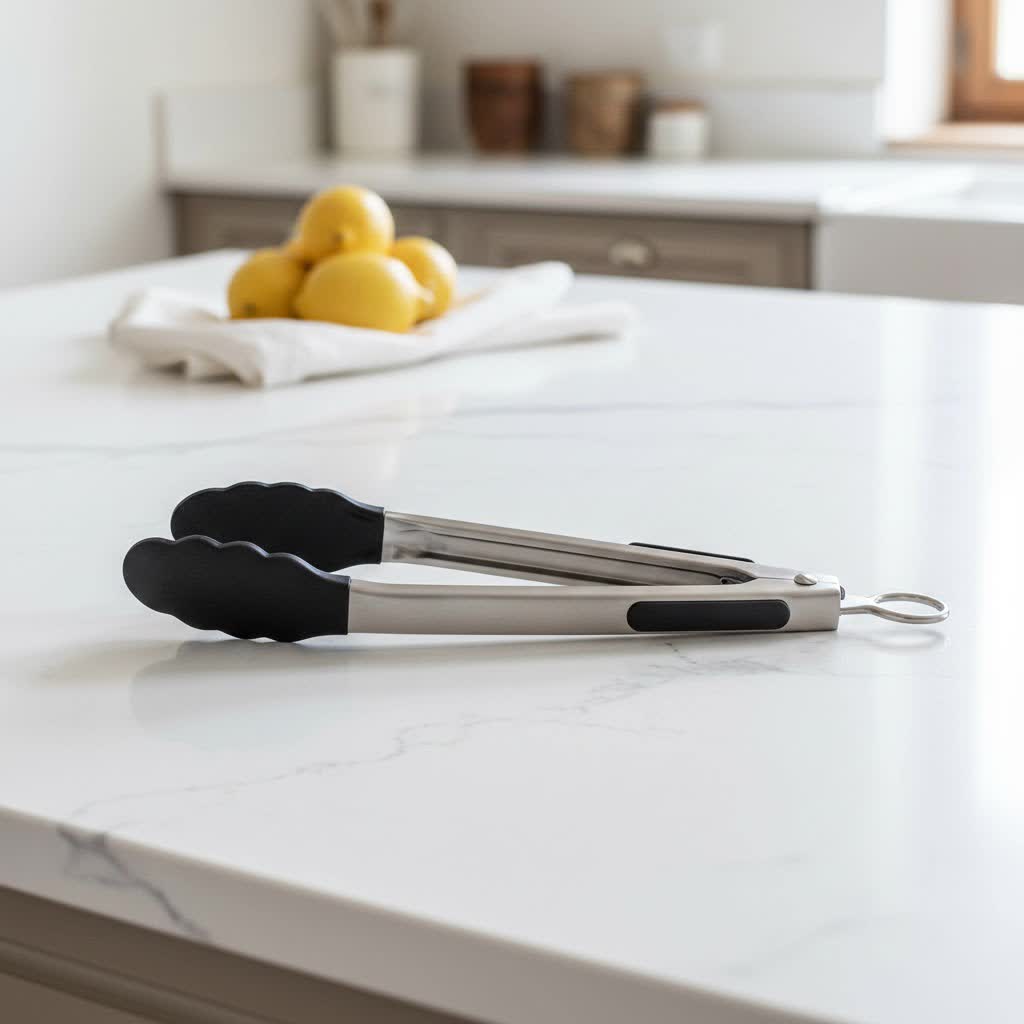
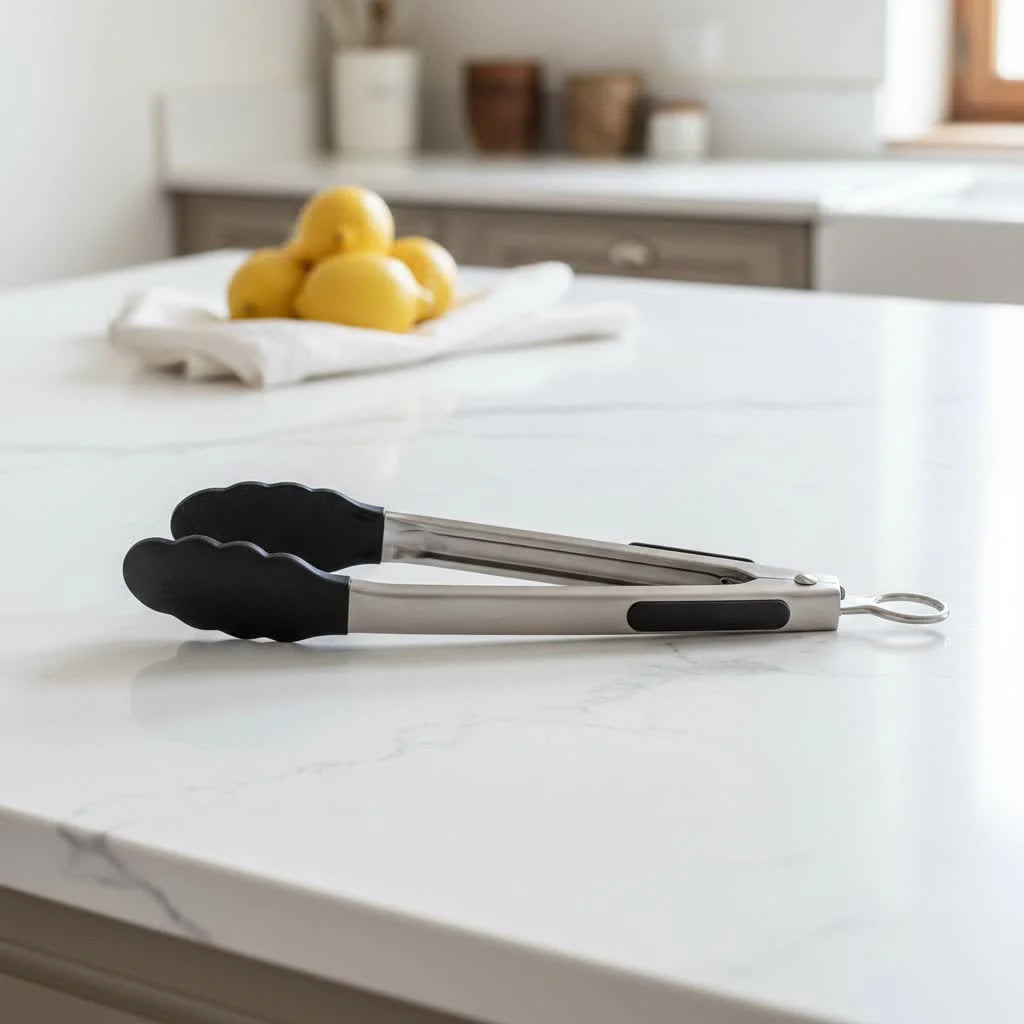
- Locking Tongs: Many utility tongs incorporate a locking mechanism, usually a pull-tab at the handle’s end, that holds the arms closed when not in use. This feature makes them incredibly convenient for compact storage in crowded drawers.
- Silicone-Tipped Tongs: Featuring silicone-coated heads, these tongs are a must-have for anyone using non-stick cookware. The soft silicone prevents scratches and damage while offering excellent grip and high heat resistance. They are also gentle enough for handling delicate foods.
- Stainless Steel Tongs: Valued for their durability and high heat resistance, all-stainless steel tongs are ideal for grilling, searing, and precision tasks. While robust, care must be taken when using them with non-stick surfaces, as they can cause scratches.
- BBQ/Grilling Tongs: Distinguished by their extra-long handles (often 16 inches or more), BBQ tongs keep your hands safely away from the intense heat of a grill or smoker. They are typically made from stainless steel, often with non-heat-conducting handle coatings for comfortable use.
- Salad Tongs: Designed for tossing and serving salads, these tongs often feature one spoon-shaped and one spork-shaped end, or two broad scoops, to easily grip and lift leafy greens without crushing them.
- Pasta Tongs: With their long, often tooth-like or scalloped ends, pasta tongs are specifically designed to grasp and serve slippery spaghetti or other noodle types with minimal mess.
- Plating/Precision Tongs: Resembling large tweezers, these small, delicate tongs are a favorite of professional chefs for intricate tasks like arranging garnishes, placing delicate food items, or even deboning fish with extreme precision.
- Pastry/Flat Tongs: These tongs have paddle-like or flat ends, sometimes with a subtle ribbed design. They are perfect for gently handling delicate baked goods, pastries, or flaky fish without marring their texture or presentation.
- Scissor Tongs: Offering a different grip mechanism, scissor tongs have two handles that operate much like scissors, making them suitable for grasping bulkier items like corn on the cob or heavy meats.
- Ice Tongs: Small and usually made of stainless steel, ice tongs feature distinctive claw or crow feet-shaped ends that provide a secure grip on slippery ice cubes for beverages.
Key Factors to Consider When Choosing Kitchen Tongs
|
Our Picks for the Best Kitchen Tongs in 2026
As an Amazon Associate I earn from qualifying purchases.
|
||
| Num | Product | Action |
|---|---|---|
| 1 | OXO Good Grips 9 Inch Stainless Steel Locking Tongs |

|
| 2 | GORILLA GRIP Stainless Steel Heat Resistant Kitchen Tongs for Cooking, Set of 2 BBQ Tong, Non Scratch Silicone Tip for Pans, Strong Grip, Grab Food, Toss Salad, Air Fryer, Pull Lock, 7 + 9 Inch, Black |
|
| 3 | Boxiki Kitchen Wooden Tongs for Cooking - Nonstick Kitchen Salad Tongs for Serving Food, Grilling, Cooking, BBQ and Tossing Salad - Made of Natural Walnut Wood, Size 12-inch |
|
| 4 | OXO Good Grips 2-Piece Tongs with Nylon Heads Set |
|
| 5 | OXO Good Grips 9-Inch Locking Tongs with Nylon Heads |
|
| 6 | Tongs For Cooking - Heat Resistant 600 Degrees Stainless Steel Kitchen Tong,Heavy Duty Metal Locking Tongs - Perfect for Food,Salad and BBQ set of 3 (7",9" and 12") Dishwasher |
|
| 7 | KitchenAid Stainless Steel Utility Tongs, 12 Inch |
|
| 8 | Kitchen Tongs with Silicone Tips, Tongs for Cooking Heat Resistant 600 Degrees Stainless Steel Locking Tong - 7" 9" & 12 inch Silicone Tong Non-Stick, Black Set of 3 |
|
| 9 | OXO Good Grips 12-Inch Stainless-Steel Locking Tongs |
|
| 10 | HOTEC Premium Stainless Steel Locking Kitchen Tongs with Silicon Tips, Set of 2-9" and 12" |
|
Selecting the perfect pair of kitchen tongs involves more than just picking the first set you see. Consider these crucial factors to ensure your tongs meet your specific cooking demands.
Material Matters
The material of your tongs dictates their durability, heat resistance, and suitability for various types of cookware.
- Stainless Steel: Known for its strength, durability, and resistance to high temperatures, stainless steel is an excellent choice for general cooking tasks, grilling, and deep frying. However, their rigid nature can scratch non-stick surfaces.
- Silicone: Tongs with silicone tips are highly recommended for non-stick pots and pans as they prevent scratching. Silicone is also incredibly heat-resistant (often up to 500-600°F), offers a superior non-slip grip, and is flexible for handling delicate foods.
- Nylon: Lightweight and gentle on cookware, nylon tongs are a good option for serving and lighter cooking tasks. However, they generally have lower heat resistance (around 400°F) compared to silicone and can degrade faster.
- Plastic: While the most affordable option, plastic tongs are typically reserved for serving at lower temperatures or in front-of-house applications. They have limited heat resistance and are less durable than other materials. Always check for BPA-free and food-grade certifications for safety.
Size and Length for Every Task
The length of your tongs significantly impacts their utility and your comfort.
- Short Tongs (6-9 inches): Ideal for precision tasks like plating, serving appetizers, or handling smaller items.
- Medium Tongs (10-12 inches): The most versatile length for everyday stovetop cooking, flipping, and serving. They provide enough reach without being cumbersome.
- Long Tongs (14-21 inches): Essential for grilling, deep frying, and reaching into hot ovens or large stockpots, ensuring a safe distance from heat sources.
Mechanism & Grip
The way tongs open, close, and hold food is paramount to their performance.
- Locking Mechanism: A sliding ring or push-pull tab at the handle’s end allows you to keep the tongs closed for compact storage, preventing them from splaying open in drawers.
- Spring Tension: Look for tongs with a comfortable, responsive spring action that provides a secure grip without requiring excessive hand strength, preventing hand fatigue during prolonged use.
- Tip Design:
- Scalloped Edges: Provide a firm, multi-point grip on irregularly shaped foods like meat or vegetables.
- Flat Ends: Best for delicate items like pastries or thin fillets that might tear with scalloped tips.
- Spoon/Spork Ends: Common in salad tongs for scooping and serving.
- Ensure the tips are well-aligned when closed for optimal gripping power.
Handle Comfort & Ergonomics
Comfortable handles are crucial, especially during long cooking sessions.
- Material: Many tongs feature silicone, rubber, or wood inserts on their handles to provide a non-slip, comfortable grip even when wet or greasy.
- Ergonomic Design: A well-designed handle will fit comfortably in your hand, reducing strain and allowing for precise control. Consider the overall weight of the tongs as well.
Heat Resistance
For any tongs intended for cooking, high heat resistance is non-negotiable. Always check the manufacturer’s specifications to ensure the material can withstand the temperatures of your intended use, preventing melting or warping.
Ease of Cleaning & Storage
Practicality extends to maintenance. Many modern tongs are dishwasher-safe, making cleanup a breeze. Tongs with a locking mechanism or a hanging loop offer convenient storage solutions.
Top-Rated Kitchen Tongs on the Market
Many reputable brands offer excellent kitchen tongs, each with its unique strengths. Here’s a brief comparison of some popular choices:
| Brand | Model | Pros | Cons | Price Range |
|---|---|---|---|---|
| OXO | Good Grips 12-inch | Comfortable grip, sturdy, easy-lock mechanism | Stainless steel can scratch non-stick | $15 – $20 |
| OXO | Good Grips 12-inch Silicone Head | Non-stick safe, excellent grip, heat resistant | $17 – $25 | |
| Misen | Silicone Tongs | Durable, non-scratch, versatile | Can be slightly heavier | $15 – $25 |
| Cuisinart | Silicone-Tipped | Good value, non-stick safe | $15 – $20 | |
| Rösle | Stainless Steel 12-inch | High-quality, durable, elegant design | Higher price point | $40 – $50 |
| KitchenAid | Classic Utility Tongs | Durable, reliable | Fewer specialized features | $10 – $15 |
| WMF | Profi Plus | Premium materials, high heat resistance | Expensive | $30 – $45 |
> “The secret to mastering your kitchen lies in selecting tools that feel like a natural extension of your hands. For tongs, this means prioritizing a comfortable grip and a responsive spring action for effortless control.”
Mastering Your Tongs: Usage and Care Tips
Even the best tongs perform better with proper handling and care.
- Match Tongs to Task: Use silicone-tipped tongs for non-stick pans and delicate foods, while robust stainless steel is perfect for the grill or heavy items. Long tongs are for high heat, shorter ones for precision.
- Safe Handling: Always ensure you have a firm grip on food to prevent drops. Keep tongs clean to prevent cross-contamination, especially between raw and cooked foods.
- Cleaning: Most modern tongs are dishwasher-safe. For handwashing, use warm, soapy water and a sponge. Avoid abrasive scrubbers on silicone or nylon to prevent damage. Thoroughly dry metal tongs to prevent rust.
- Storage: Utilize the locking mechanism to keep tongs compact in drawers. Many also have a loop for hanging on a utensil rack, saving drawer space and keeping them easily accessible.
Where to Buy Kitchen Tongs
Quality kitchen tongs are readily available from a variety of sources.
- Online Retailers: Websites like Amazon, Williams Sonoma, Sur La Table, and directly from brands like OXO and Misen offer a vast selection with customer reviews that can guide your choice.
- Department Stores & Home Goods Stores: Stores like Macy’s, Bed Bath & Beyond, and Target often carry a range of popular kitchenware brands.
- Specialty Kitchen Stores: Local kitchen supply shops can provide personalized recommendations and allow you to physically test the feel of different tongs.
When buying online, pay close attention to product descriptions, materials, and customer feedback. Checking return policies is also a wise practice.
Your Ultimate Kitchen Tongs Buying Guide
To simplify your decision, follow this straightforward guide:
- Identify Your Primary Needs: Are you mainly grilling, sautéing, serving, or all of the above? Your primary use will dictate the ideal length, material, and tip style.
- Consider Your Cookware: If non-stick is a priority, silicone-tipped tongs are essential. For all-around use, a mix of stainless steel and silicone-tipped tongs offers the most versatility.
- Prioritize Comfort and Control: Look for ergonomic handles and a smooth, consistent spring action. If possible, hold different tongs to gauge their feel and weight.
- Check for Practical Features: A reliable locking mechanism for storage, high heat resistance, and dishwasher-safe construction are all valuable attributes.
- Read Reviews and Compare: Leverage expert and user reviews to narrow down your choices and learn about real-world performance.
Conclusion
Kitchen tongs are far more than just a simple utensil; they are an indispensable tool that can significantly enhance your cooking precision, safety, and enjoyment. From flipping steaks on the grill to delicately plating a gourmet meal, the right pair of tongs can truly feel like a seamless extension of your culinary prowess. By considering the diverse types, materials, and design features available, you’re empowered to choose tongs that perfectly match your cooking style and needs. Invest wisely, and prepare to discover a new level of confidence and efficiency in your kitchen.
What culinary task are you most excited to tackle with your perfectly chosen kitchen tongs?
Frequently Asked Questions
What are kitchen tongs used for?
Kitchen tongs are versatile utensils used for gripping, lifting, flipping, tossing, and serving food without direct hand contact. They enhance safety by keeping hands away from heat and improve hygiene by preventing cross-contamination between different food items.
Which material is best for kitchen tongs?
The “best” material depends on your primary use. Stainless steel tongs are durable and heat-resistant, ideal for grilling and high-heat cooking. Silicone-tipped tongs are perfect for non-stick cookware as they prevent scratching and offer excellent grip for delicate items. Many home cooks benefit from having both types.
How long should kitchen tongs be?
For general stovetop cooking, 10-12 inch tongs are ideal, offering good control and protection from heat. For grilling, deep frying, or reaching into hot ovens, longer tongs (14-21 inches) are safer as they provide a greater distance from intense heat sources.
Can I use metal tongs on non-stick pans?
It is strongly recommended to avoid using bare metal tongs on non-stick cookware, as they can scratch and damage the non-stick coating over time. Instead, opt for tongs with silicone or nylon tips, which are designed to be gentle on delicate surfaces.
How do I clean and store my tongs?
Most modern kitchen tongs are dishwasher-safe; check the manufacturer’s instructions. For handwashing, use warm, soapy water. To store, many tongs feature a locking mechanism to keep them closed, saving space in drawers. Some also have a loop for hanging on a utensil rack.
Cooking gear we tested in our own kitchens
Free PDF — preheat times measured on 10 popular air fryers.

I appreciated the breakdown of selection factors, especially the part about grip and locking mechanisms. My previous tongs always got stuck open in the drawer. I invested in a pair with a good pull-ring lock and it’s a game changer for storage. They feel much more professional, even for home use.
The section on silicone-tipped tongs was helpful for protecting my non-stick pans. I bought a pair, and while they work great for delicate items, I find them a little less precise for really small ingredients like individual shrimp. They’re good, but not perfect for everything.
I finally replaced my old, flimsy tongs after reading about the different types. The guide really helped me understand why my old ones kept bending. I went with a pair of stainless steel utility tongs for grilling and they’ve been fantastic. Super sturdy and easy to clean, makes flipping burgers so much less stressful.
I never realized how much difference a good pair of tongs could make until I read about the importance of length for safety. My old ones were too short and I was always burning myself. I got a longer pair for deep frying and it’s made a huge difference. No more splatters on my hands!