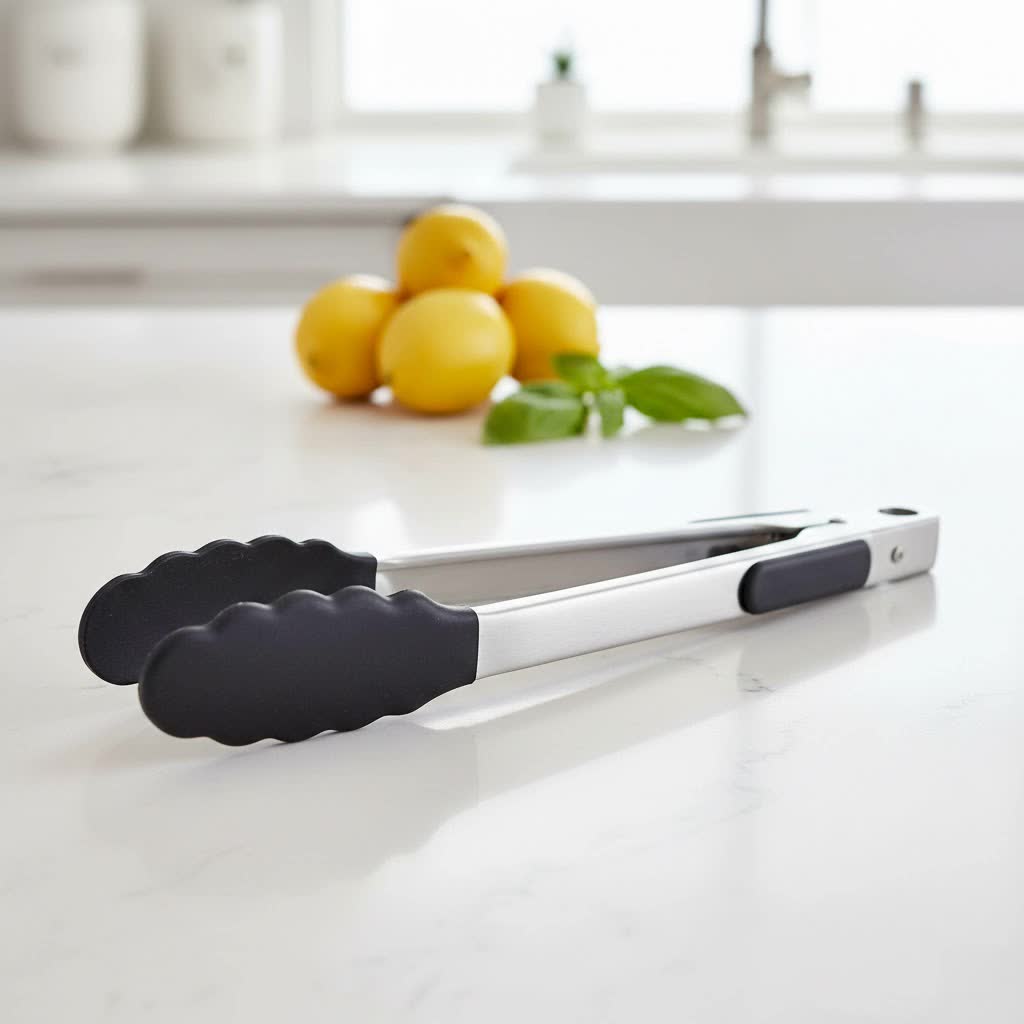
Every home chef understands the critical role precision and control play in the kitchen. From flipping a sizzling steak to delicately arranging fresh greens, the right kitchen tongs are more than just a utensil; they become a natural extension of your hand, elevating both your cooking efficiency and presentation. But with an overwhelming array of options available, how do you pick the perfect pair? This comprehensive guide will explore the diverse world of kitchen tongs, helping you navigate materials, designs, and features to find the tools that best suit your culinary adventures.
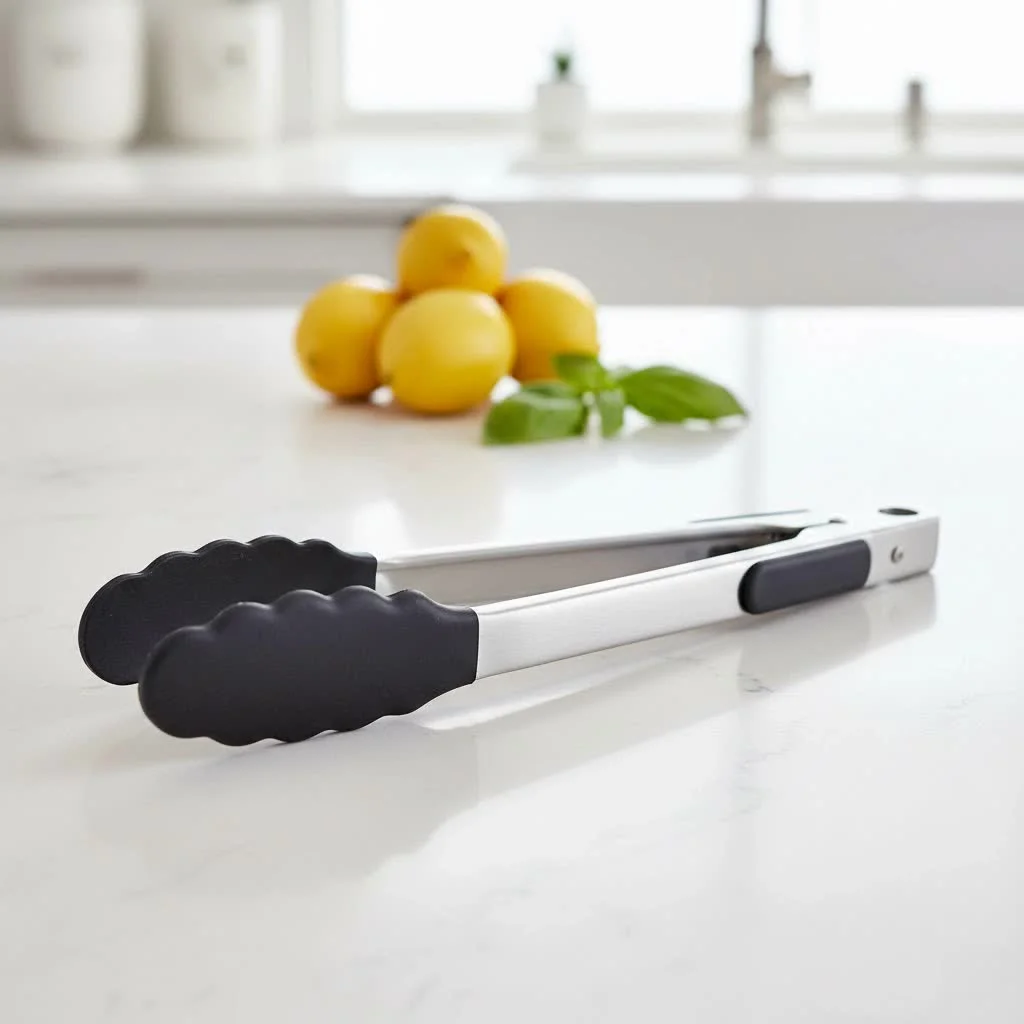
Exploring the Popular Types of Kitchen Tongs
Kitchen tongs come in a surprising variety, each designed for specific tasks and preferences. Understanding these different types is the first step toward building a versatile collection.
Tongs by Material
The material of your tongs dictates their durability, heat resistance, and suitability for different cookware.
- Stainless Steel Tongs: Renowned for their strength and longevity, stainless steel tongs are a staple in many kitchens. They are highly heat-resistant, making them ideal for grilling, searing, and handling heavy items. However, their metal tips can scratch non-stick surfaces, so they are best paired with cast iron or stainless steel pans.
- Silicone-Tipped Tongs: These tongs feature stainless steel bodies with food-grade silicone tips. Silicone offers excellent heat resistance, often up to 600°F (315°C), and is gentle on non-stick cookware, preventing scratches. The soft, flexible tips also provide a secure, non-slip grip on delicate foods like fish or vegetables.
- Nylon Tongs: Lighter and typically more affordable than silicone, nylon-tipped tongs are another good option for non-stick surfaces. While heat resistant, their tolerance is generally lower than silicone, usually around 400°F (204°C), and they may degrade faster over time.
- Plastic Tongs: Often the most budget-friendly choice, plastic tongs are primarily used for serving cold foods, like salads, or for very light-duty tasks, as their heat resistance is minimal. They are good for front-of-house applications or color-coded systems to prevent cross-contamination.
- Wooden Tongs: Offering an old-world charm, wooden tongs are excellent for delicate handling and won’t scratch non-stick surfaces. Their heat resistance varies, and they require careful cleaning and maintenance to prevent warping or splitting. They are particularly good for retrieving toast from a toaster.
Tongs by Design and Mechanism
Beyond material, the shape and operating mechanism greatly influence a tong’s utility.
- Locking Tongs: Most modern kitchen tongs feature a locking mechanism, usually a pull-tab at the top, that keeps the tongs closed for compact storage. This design also provides better control during use.
- Scalloped Tongs: Characterized by their curved, often serrated, tips, scalloped tongs provide a firm grip on irregularly shaped foods, from chicken thighs to broccoli florets. They are the general-purpose workhorse for many cooking tasks.
- Flat-Edged (Pastry) Tongs: With broad, flat ends, these tongs are designed for delicate items that might be crushed or damaged by scalloped tips. They are perfect for handling baked goods, pastries, or flaky fish. Some may have subtle grooves for an enhanced, yet gentle, grip.
- Scissor Tongs: Mimicking the action of scissors, these tongs often have two separate handles connected by a rivet. They can be good for grabbing bulkier items like corn on the cob or steamed seafood, offering a firm hold, though they can sometimes feel less precise for smaller tasks.
- Precision (Plating) Tongs: Resembling large tweezers, plating tongs are typically long and slender with fine, often curved or offset, tips. They are indispensable for intricate plating, garnishing, or handling very delicate ingredients with extreme accuracy.
Tongs by Specific Use Case
|
Our Picks for the Best Kitchen Tongs in 2026
As an Amazon Associate I earn from qualifying purchases.
|
||
| Num | Product | Action |
|---|---|---|
| 1 | OXO Good Grips 2-Piece Tongs with Nylon Heads Set |

|
| 2 | Boxiki Kitchen Wooden Tongs for Cooking - Nonstick Kitchen Salad Tongs for Serving Food, Grilling, Cooking, BBQ and Tossing Salad - Made of Natural Walnut Wood, Size 12-inch |
|
| 3 | Tongs For Cooking - Heat Resistant 600 Degrees Stainless Steel Kitchen Tong,Heavy Duty Metal Locking Tongs - Perfect for Food,Salad and BBQ set of 3 (7",9" and 12") Dishwasher |
|
| 4 | OXO Good Grips 9 Inch Stainless Steel Locking Tongs |
|
| 5 | KitchenAid Stainless Steel Utility Tongs, 12 Inch |
|
| 6 | OXO Good Grips 12-Inch Stainless-Steel Locking Tongs |
|
| 7 | Kitchen Tongs with Silicone Tips, Tongs for Cooking Heat Resistant 600 Degrees Stainless Steel Locking Tong - 7" 9" & 12 inch Silicone Tong Non-Stick, Black Set of 3 |
|
| 8 | HOTEC Premium Stainless Steel Locking Kitchen Tongs with Silicon Tips, Set of 2-9" and 12" |
|
| 9 | OXO Good Grips 9-Inch Locking Tongs with Nylon Heads |
|
| 10 | GORILLA GRIP Stainless Steel Heat Resistant Kitchen Tongs for Cooking, Set of 2 BBQ Tong, Non Scratch Silicone Tip for Pans, Strong Grip, Grab Food, Toss Salad, Air Fryer, Pull Lock, 7 + 9 Inch, Black |
|
Many tongs are specialized for particular culinary tasks, optimizing performance for that specific job.
- Utility Tongs: These are your go-to, all-purpose tongs, typically with scalloped stainless steel or silicone tips, suitable for a wide range of cooking and serving needs. If you only have one pair, it’s usually a utility tong.
- BBQ Tongs: Distinguished by their extra-long handles (16-21 inches), BBQ tongs keep your hands safely away from the intense heat of a grill or smoker. They are usually robust stainless steel, often with heat-resistant handles and strong scalloped tips for flipping heavy meats.
- Salad Tongs: Often made of stainless steel or plastic, these tongs typically feature one spoon-like end and one spork-like end, designed for tossing and serving salads without crushing delicate greens.
- Pasta Tongs: Characterized by long, often pronged or tooth-like ends, pasta tongs are specifically shaped to grip and serve slippery noodles efficiently, preventing clumping and making plating easier.
- Ice Tongs: Small and featuring crow-feet shaped ends or serrated tips, ice tongs are designed to grip individual ice cubes securely, ensuring hygienic serving for drinks and cocktails.
- Serving Tongs: These can vary widely but are generally designed for aesthetic appeal and ease of use in buffet or banquet settings, used for plating hors d’oeuvres, baked goods, or main dishes.
Essential Factors to Consider When Buying Kitchen Tongs
Choosing the right kitchen tongs means balancing material, size, and design with your specific cooking habits.
Material Safety, Durability, and Heat Resistance
When investing in kitchen tongs, the material is paramount.
- Health Safety: Always prioritize BPA-free and food-grade materials, especially for silicone and plastic components, to ensure they are safe for contact with food.
- Durability and Wear: Stainless steel offers superior durability and won’t melt, but can scratch non-stick. Silicone tips are durable and protect cookware but may wear over many years, while nylon can degrade faster than other materials when exposed to high temperatures.
- Heat Resistance: Match the material to your cooking needs. For high-heat tasks like grilling or deep-frying, all-stainless steel or high-quality silicone-tipped tongs are essential. For general stovetop cooking, silicone or nylon are excellent for non-stick pans.
Size and Length for Optimal Control
Tongs come in various lengths, each best suited for different tasks.
- Purpose-Driven Lengths: Shorter tongs (6-9 inches) offer greater precision for delicate plating or working with small items in a pan. Mid-length tongs (10-12 inches) are versatile for everyday cooking tasks on the stovetop. Longer tongs (14-21 inches) are crucial for safety when grilling or reaching into deep pots.
- Comfort and Maneuverability: The length should feel balanced and comfortable in your hand, allowing for easy operation without excessive strain. Avoid tongs that feel too long for stovetop tasks, as they can reduce control.
Operating Mechanism and Grip
The mechanics of your tongs significantly impact ease of use.
- Responsiveness and Precision: A good pair of tongs should open and close smoothly with a responsive spring mechanism, allowing for precise control when grabbing and releasing food. The tips should align perfectly to ensure a secure grip.
- Locking Feature: A reliable locking mechanism is a major upgrade for storage, keeping your tongs compact in a drawer. It also helps maintain tension, offering a firm grip without constant effort. Many prefer the pull-tab style lock for its convenience.
Handle Comfort and Ergonomics
A comfortable handle prevents hand fatigue during extended cooking sessions.
- Non-Slip Material: Handles with silicone, rubber, or textured grips provide a secure, non-slip hold, even with wet or greasy hands.
- Ergonomic Design: Look for handles that fit naturally in your hand, with rounded edges and sufficient width to prevent pinching or discomfort.
Temperature Endurance
It’s crucial that your tongs can withstand the heat of your cooking environment without melting, warping, or leaching harmful chemicals. Ensure the temperature rating of silicone or nylon tips matches or exceeds your typical cooking temperatures.
Top Kitchen Tongs Brands and Comparison
Several brands consistently deliver high-quality kitchen tongs. Here’s a look at some popular choices and a comparison.
- OXO: Widely recognized for ergonomic designs and user-friendly features. Their Good Grips line is particularly popular for its comfortable, non-slip handles and effective locking mechanisms. They offer both stainless steel and silicone-tipped options.
- Misen: Known for durable, well-designed kitchen tools, Misen offers silicone-tipped tongs that are often praised for their balance and ability to handle various foods without scratching non-stick surfaces.
- KitchenAid: A household name in kitchenware, KitchenAid tongs often feature robust construction and classic designs, providing reliable performance for everyday cooking.
- WMF: A German brand synonymous with quality and sophisticated design, WMF offers premium stainless steel tongs known for their durability and high-heat tolerance.
- Joseph Joseph: This brand stands out for innovative designs and often vibrant colors, with tongs that prioritize functionality and smart storage.
- Cuisinart: Offering a range of kitchen tools, Cuisinart provides reliable tongs, with their silicone-tipped models often being a favorite for non-stick cookware.
Detailed Comparison Table
| Brand | Model (Example) | Pros | Cons | Est. Price Range (USD) |
|---|---|---|---|---|
| OXO | Good Grips Locking Tongs | Comfortable grip, reliable lock, versatile | Stainless steel may scratch non-stick | $15 – $25 |
| OXO | Good Grips Silicone Tongs | Non-stick safe, strong grip | Slightly bulkier, higher price than plain steel | $18 – $30 |
| Misen | Silicone Tongs | Durable, excellent non-stick protection | Can be heavier, higher price | $19 – $25 |
| KitchenAid | Classic Tongs | Aesthetic appeal, solid construction | Fewer specialized features | $10 – $20 |
| WMF | Profi Plus Tongs | Premium quality, high-heat tolerance | Higher price point | $30 – $50+ |
Mastering Your Tongs: Usage and Care Tips
Proper usage and maintenance will extend the life of your kitchen tongs and enhance your cooking experience.
Safe and Effective Handling
- Match the Tool to the Task: Always use the appropriate tongs for the job. Silicone-tipped tongs are a must for non-stick pans to prevent damage. Longer BBQ tongs keep you safe from grill flames.
- Gentle Yet Firm Grip: Avoid squeezing food too hard, especially delicate items, to prevent crushing. The goal is a secure hold that allows you to maneuver food without tearing or dropping it.
- Pre-Use Check: Before cooking, ensure your tongs’ locking mechanism is working smoothly and that the tips align properly for optimal performance.
Cleaning and Storage for Longevity
- Immediate Cleaning: Wash your tongs immediately after use with warm, soapy water. This prevents food residue from hardening, which can be difficult to remove. Most stainless steel and silicone tongs are dishwasher safe.
- Avoid Abrasives: For silicone or nylon tips, avoid abrasive scrubbers or harsh chemicals that could damage the coating.
- Thorough Drying: Ensure all-metal tongs are thoroughly dried before storage to prevent rust.
- Locked Storage: Utilize the locking mechanism to keep tongs closed, saving drawer space and preventing them from snagging other utensils. Many tongs also have a loop for hanging.
Insider Tips for Using Kitchen Tongs Like a Pro
To truly maximize the utility of your tongs, consider these expert insights:
- The “Third Hand” Principle: Think of tongs as an extension of your hand. They allow you to turn, flip, lift, and toss foods with precision, minimizing direct contact with hot surfaces and oil splashes.
- Multi-Purpose Power: Don’t limit tongs to just flipping meat. Use them to:
- Toss salads evenly.
- Serve pasta from a boiling pot.
- Retrieve hot jars from water baths.
- Squeeze lemons for juice (using a sturdy metal pair).
- Handle hot baked potatoes.
- Extract items from deep fryers.
- The Hip-Bump Unlock: For quick, one-handed operation, chefs often unlock their tongs by gently bumping the top mechanism against their hip or workstation, allowing them to spring open instantly.
> “The greatest value of good kitchen tongs lies in their ability to provide an extra layer of control and safety, making complex cooking maneuvers feel effortless.” – Haru, Admin, reviewharu.com
Top Kitchen Tongs Loved by Home Cooks and Professionals
While individual preference plays a role, certain tongs consistently earn high marks for their performance and durability.
- OXO Good Grips 12-Inch Stainless-Steel Locking Tongs: Often cited as a best overall choice, these tongs offer a robust build, comfortable non-slip handles, and a reliable locking mechanism. They provide a firm grip without being overly aggressive on food.
- Misen Silicone Tongs: Praised for their durable silicone tips that are safe for all cookware and provide excellent grip, Misen’s tongs are a favorite for versatility and long-lasting quality.
- Cuisinart Silicone-Tipped 12-Inch Tongs: A strong contender for silicone-tipped options, these tongs are known for being gentle on non-stick surfaces while offering good heat resistance and handling.
Where to Purchase Reliable Kitchen Tongs
You can find kitchen tongs at various retailers, both online and in brick-and-mortar stores.
- Department Stores & Kitchen Supply Stores: Stores like Williams Sonoma, Sur La Table, Bed Bath & Beyond, or your local kitchen specialty shop often carry a wide selection of brands and types, allowing you to feel the tongs before purchasing.
- Online Retailers: Websites like Amazon, Webstaurant Store, or the official brand websites (OXO, Misen) offer an extensive range, often with competitive pricing and detailed customer reviews.
- Hypermarkets: Larger stores such as Target or Walmart will also carry basic to mid-range options.
Considerations for Online Shopping
When buying online, pay close attention to:
- Material Specifications: Confirm heat resistance and whether they are food-grade/BPA-free.
- Customer Reviews: Look for feedback on durability, grip, ease of use, and whether the locking mechanism functions well.
- Return Policy: Ensure a clear return policy in case the tongs don’t meet your expectations upon arrival.
Your Personalized Kitchen Tongs Buying Guide
To simplify your decision, follow these steps:
- Identify Your Primary Need: Are you grilling often? Do you rely on non-stick cookware? Is precision plating a priority? Your most frequent cooking tasks should guide your choice.
- Choose Your Material: If non-stick protection is vital, opt for silicone or nylon. For heavy-duty tasks and high heat, stainless steel is king. A combination of both types offers the most versatility.
- Determine Ideal Lengths: A 9-inch or 12-inch pair is great for general cooking, while a longer pair is indispensable for grilling.
- Prioritize Comfort and Functionality: Always look for ergonomic, non-slip handles and a reliable locking mechanism for ease of use and storage.
- Read Reviews and Compare: Before finalizing your purchase, compare specific models and read reviews to ensure they meet quality and performance standards.
Conclusion
From the sizzle of the stovetop to the precision of plating, kitchen tongs are undeniable heroes in any culinary setting. By understanding the diverse types, essential features, and care requirements, you can confidently select the perfect pair—or even a collection—that enhances your cooking, ensures safety, and brings greater joy to every meal preparation. Which type of kitchen tongs will become your next indispensable kitchen companion?
Frequently Asked Questions
What are the main types of kitchen tongs?
The main types of kitchen tongs are broadly categorized by their material (stainless steel, silicone, nylon), their mechanism (locking, scissor-style), or their specific use (utility, BBQ, salad, pasta, plating). Utility tongs are general-purpose, while specialized tongs are designed for unique tasks like grilling or delicate serving.
What is the best material for kitchen tongs?
The “best” material depends on the task. Stainless steel is excellent for durability, high heat, and heavy items but can scratch non-stick pans. Silicone-tipped tongs are highly recommended for non-stick cookware due to their gentleness and good grip, offering high heat resistance. Many chefs find a combination of both types most versatile.
How do you choose the right length for kitchen tongs?
Choose tongs based on their intended use. Shorter tongs (6-9 inches) are ideal for precision and small items. Medium tongs (10-12 inches) are versatile for most stovetop cooking. Longer tongs (14-21 inches) are essential for grilling or deep-frying to keep hands safe from heat.
Can I use metal tongs on non-stick pans?
It is generally not recommended to use all-metal tongs on non-stick pans, as the metal tips can scratch and damage the non-stick coating over time. For non-stick cookware, always opt for tongs with silicone or nylon tips to protect the surface.
How should I clean and store my kitchen tongs?
Most stainless steel and silicone-tipped tongs are dishwasher safe. For handwashing, use warm, soapy water and a non-abrasive sponge. Always dry metal tongs thoroughly to prevent rust. Store tongs in the locked position to save space in drawers and keep them compact.
Cooking gear we tested in our own kitchens
Free PDF — preheat times measured on 10 popular air fryers.
