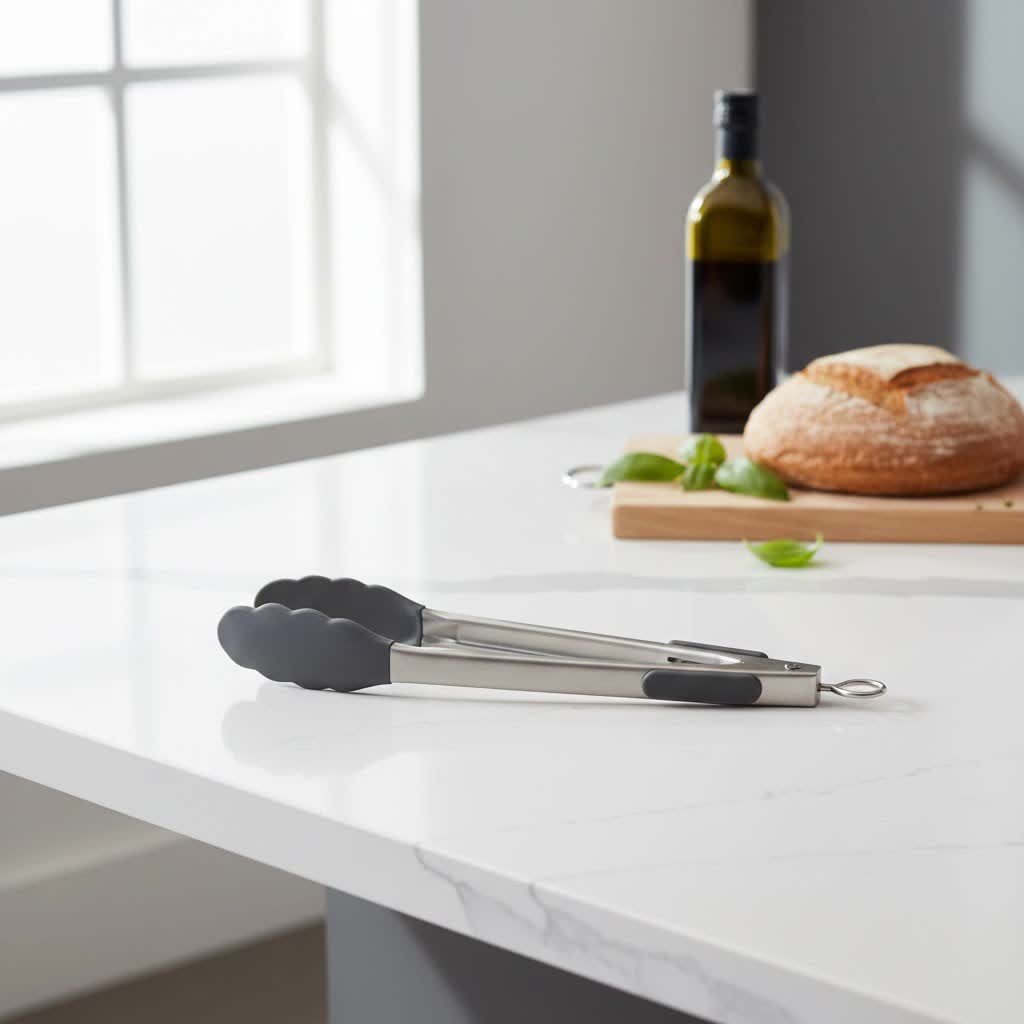
Step into any kitchen, and you’ll likely find a pair of tongs, an indispensable tool for flipping, serving, and handling food. But beyond their modern-day utility lies a rich history, a world of vintage kitchen tongs that tell tales of kitchens past. These aren’t just old utensils; they are pieces of culinary heritage, offering a unique blend of historical charm and often surprising functionality. Whether you’re a seasoned collector or simply appreciate the craftsmanship of yesteryear, exploring vintage kitchen tongs can add a distinctive touch to your home and cooking experience. This guide will delve into the diverse world of these charming implements, helping you understand their types, value, care, and where to find them.
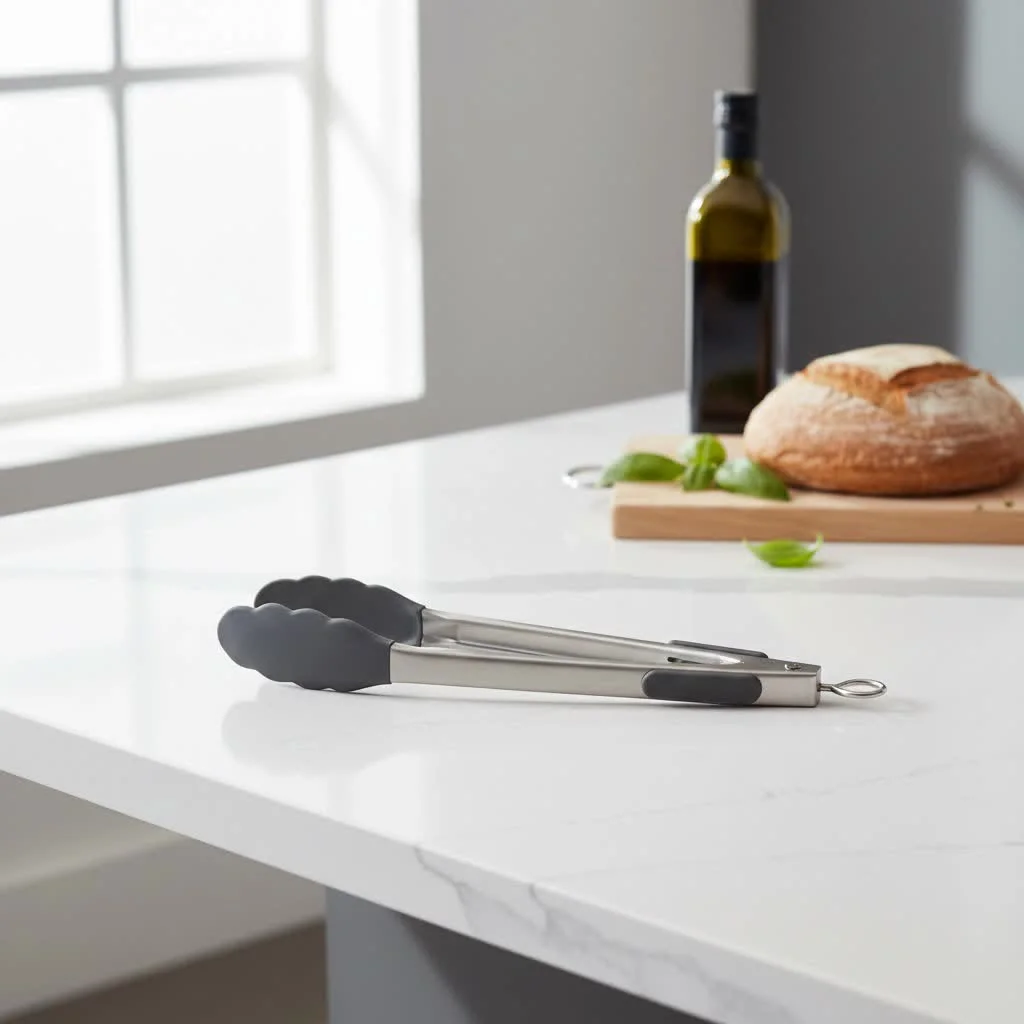

Popular Types of Vintage Kitchen Tongs
Vintage kitchen tongs encompass a fascinating array of designs, materials, and purposes, reflecting the culinary practices and available technologies of their eras. Far from the standardized models of today, historical tongs often featured unique forms tailored to specific kitchen tasks.
Early iterations frequently utilized robust metals like iron or tin, prized for their durability and availability. Iron tongs were common around the turn of the 20th century, often showing signs of rust if not well-preserved, while tin utensils were a more inexpensive option from the late 19th to early 20th centuries. Copper tongs, known for their distinct tarnished appearance, also saw use in the late 19th century. As manufacturing evolved, materials like aluminum became popular in the early 20th century, offering lighter, more corrosion-resistant options. Some tongs featured elegant wooden handles, particularly in the 19th century, adding a tactile warmth and aesthetic appeal. Mid-20th century tongs sometimes incorporated early plastics like Bakelite for handles, adding a pop of color and a new ergonomic feel.
Beyond general utility tongs for cooking, many specialized designs existed. Sugar tongs, petite and often made of silver or plated metals, were elegant tools for serving sugar cubes, a common practice in formal settings. Serving tongs were crafted for specific dishes, such as delicate pastries or salads, often featuring unique ends like spoon-and-fork combinations for easier manipulation. Scissor tongs, with their distinctive hinge mechanism, offered a robust grip for bulkier items, while earlier forms of barbecue tongs provided extended reach for cooking over open flames. The variety speaks to an era where tools were often purpose-built with considerable attention to both function and form.
Key Factors to Consider When Collecting Vintage Kitchen Tongs
Collecting vintage kitchen tongs is a rewarding hobby that requires a discerning eye and an appreciation for historical artifacts. Several factors differentiate a run-of-the-mill old tong from a truly valuable or cherished piece.
Material and Condition are paramount. The original material—be it iron, copper, tin, wood, Bakelite, or early stainless steel—dictates its inherent durability and care requirements. Look for pieces that retain as much of their original finish as possible. Rust, deep pitting, significant bending, or cracks in wooden/plastic handles can diminish both aesthetic appeal and value. While some patina is desirable and indicative of age, structural integrity is crucial, especially if you intend to use the tongs.
Era and Origin provide context and can influence rarity. Identifying the period of manufacture, perhaps through distinct design elements, construction methods, or the materials used, helps place a tong in its historical context. For example, the presence of specific plastics can date an item to the mid-20th century.
Functionality vs. Display is another important consideration. Are you looking for tongs to actively use in your kitchen, or are they purely for decorative display? If for use, ensure moving parts operate smoothly and the material is safe for food contact (e.g., avoiding heavily rusted iron for direct food contact). For display, minor cosmetic imperfections might be more acceptable.
Rarity and Provenance can significantly impact value. Tongs with a documented history, a known manufacturer, or a design that was produced in limited quantities tend to be more sought after. While specific brands for general kitchen tongs might not always be easily identifiable, some makers produced distinct patterns or marked their goods.
Identifying Markings such as brand stamps, maker’s marks, or patent dates are invaluable clues. These markings can help authenticate a piece, identify its origin, and sometimes even pinpoint its exact production year. For example, cast iron pieces by renowned brands often have distinctive markings that help date and authenticate them.
Historical Ergonomics refers to how comfortable and practical the tongs were designed to be in their time. While modern ergonomics focus on advanced materials and non-slip grips, vintage tongs reflect the design philosophies of their day, often with simpler, yet sometimes equally effective, handle designs.
Identifying and Valuing Vintage Kitchen Tongs
|
Our Picks for the Best Kitchen Tongs in 2026
As an Amazon Associate I earn from qualifying purchases.
|
||
| Num | Product | Action |
|---|---|---|
| 1 | OXO Good Grips 12-Inch Stainless-Steel Locking Tongs |

|
| 2 | Boxiki Kitchen Wooden Tongs for Cooking - Nonstick Kitchen Salad Tongs for Serving Food, Grilling, Cooking, BBQ and Tossing Salad - Made of Natural Walnut Wood, Size 12-inch |
|
| 3 | OXO Good Grips 9 Inch Stainless Steel Locking Tongs |
|
| 4 | HOTEC Premium Stainless Steel Locking Kitchen Tongs with Silicon Tips, Set of 2-9" and 12" |
|
| 5 | OXO Good Grips 2-Piece Tongs with Nylon Heads Set |
|
| 6 | Kitchen Tongs with Silicone Tips, Tongs for Cooking Heat Resistant 600 Degrees Stainless Steel Locking Tong - 7" 9" & 12 inch Silicone Tong Non-Stick, Black Set of 3 |
|
| 7 | Tongs For Cooking - Heat Resistant 600 Degrees Stainless Steel Kitchen Tong,Heavy Duty Metal Locking Tongs - Perfect for Food,Salad and BBQ set of 3 (7",9" and 12") Dishwasher |
|
| 8 | GORILLA GRIP Stainless Steel Heat Resistant Kitchen Tongs for Cooking, Set of 2 BBQ Tong, Non Scratch Silicone Tip for Pans, Strong Grip, Grab Food, Toss Salad, Air Fryer, Pull Lock, 7 + 9 Inch, Black |
|
| 9 | KitchenAid Stainless Steel Utility Tongs, 12 Inch |
|
| 10 | OXO Good Grips 9-Inch Locking Tongs with Nylon Heads |
|
The quest to identify and value vintage kitchen tongs is an exciting part of the collecting journey. It involves keen observation, careful research, and understanding market dynamics.
To identify a vintage tong, begin by examining its physical characteristics. Consider its size, overall shape, the presence and type of a handle, and any moving parts. Does it have a scissor-like pivot or a spring mechanism? The materials used are a significant indicator of age; copper, tin, and iron suggest an earlier origin, while Bakelite or early aluminum point to mid-20th-century production. Comparing your piece to images found in online antique databases, auction listings, and specialized collector forums can help narrow down its period and potential maker. Look closely for any stamps, engravings, or raised lettering—these “maker’s marks” are often the most direct way to identify a manufacturer and confirm authenticity.
When it comes to valuing vintage kitchen tongs, several factors come into play. Age is a primary determinant, with older and rarer pieces generally commanding higher prices. Condition is critical; a well-preserved tong with minimal damage, rust, or wear will always be more valuable than a heavily used or damaged one. Rarity plays a significant role; a mass-produced item will naturally be less valuable than a unique, limited-edition, or historically significant piece. Lastly, the maker or brand can heavily influence value. While kitchen tongs are not as frequently documented as, say, vintage Pyrex or cast iron, pieces from known historical kitchenware manufacturers can be more desirable. Online marketplaces such as Etsy and eBay can provide a general price range, with listings for vintage kitchen tongs typically ranging from $25 to $100, though exceptionally rare pieces or those from notable makers could fetch more. Keep in mind that “blacksmith tongs,” while antique, are generally common and less valuable as culinary tools unless they have historical provenance.
Caring for Your Vintage Kitchen Tongs
Owning vintage kitchen tongs is a pleasure, but it comes with the responsibility of proper care and preservation to maintain their beauty and integrity for years to come. Different materials require specific attention.
For metal tongs (iron, tin, aluminum, or early stainless steel), preventing and treating rust is key. Always ensure they are thoroughly dried immediately after washing. For existing rust, a gentle but effective method involves creating a paste with lemon juice and baking soda, or a mix of baking soda and a little vinegar. Apply the paste to the rusty areas, let it sit for a few minutes, then scrub gently with a brush. This can help lift rust without overly harsh chemicals. Avoid abrasive scrubbing pads that could scratch the surface.
Wooden components, whether handles or entire tongs, require careful handling to prevent drying, cracking, or warping. Always hand wash wooden tongs; dishwashers can be too harsh and strip the natural oils. After washing, dry them thoroughly. To nourish the wood and prevent it from becoming brittle, apply a food-grade mineral oil or even olive oil once a month or every couple of months. Allow the oil to soak in overnight, then wipe off any excess.
Silver tongs, such as delicate sugar tongs, are prone to tarnishing. To prevent this, store them in airtight containers, ideally wrapped in acid-free tissue paper. Avoid using newspaper or elastic bands directly on silver, as their chemicals can cause accelerated tarnishing. For cleaning, gentle methods are best. Use a soft cloth with a reputable silver polish like Goddard’s. For very dirty silver, a solution of soda crystals in hot water (with an aluminum foil strip in the bowl) can be effective for removing heavy tarnish quickly, though some note it can leave a slightly matte finish. Always handle silver tongs with cotton gloves to prevent fingerprints, which can accelerate tarnishing.
If your tongs feature Bakelite handles, a common material in mid-20th century kitchenware, you can often restore their shine. Wet sanding with fine-grit sandpaper and a few drops of dish soap can smooth out minor imperfections and bring back the original luster.
Regardless of the material, always use gentle cleaners and avoid harsh chemicals that could damage the finish or material. Extreme heat should also be avoided, as it can cause discoloration, warping, or even damage to certain vintage materials. Consistent care ensures your vintage kitchen tongs remain beautiful and functional keepsakes.
Where to Find Authentic Vintage Kitchen Tongs
Embarking on the hunt for vintage kitchen tongs can be as thrilling as finding the perfect piece itself. There are numerous avenues where these charming utensils can be discovered, each offering a unique experience.
Traditional antique shops and flea markets are excellent starting points. Browsing these establishments allows you to physically inspect items for condition, material, and any identifying marks. Dealers often have a good understanding of their inventory’s history and can provide valuable insights. The thrill of stumbling upon a rare or perfectly preserved piece in person is unmatched.
Estate sales and auctions frequently feature entire collections of vintage kitchenware. These events can be treasure troves for finding tongs that belonged to a specific era or household, sometimes with original sets or unique designs. Prices can vary widely, offering opportunities for both budget-friendly finds and significant investments.
For a broader selection and the convenience of shopping from home, online marketplaces are invaluable resources. Etsy is particularly popular for vintage and handmade items, often featuring a diverse range of kitchen tongs from various sellers worldwide. eBay provides a vast auction-style and “buy it now” platform, where you can find everything from common utility tongs to more specialized or rare pieces. Websites dedicated to antique and collectible kitchenware also exist, offering curated selections and expert appraisals. When purchasing online, always scrutinize listing photos carefully, read descriptions thoroughly, and don’t hesitate to ask sellers for additional information or images to confirm condition and authenticity. This is crucial for ensuring you receive exactly what you expect.
A Collector’s Guide to Acquiring Vintage Kitchen Tongs
Acquiring vintage kitchen tongs, whether for use or collection, requires a thoughtful approach. Beyond simply finding a pair you like, a smart collector considers several aspects before making a purchase.
First, set clear expectations regarding the condition and intended use of the tongs. Are you seeking pristine, museum-quality pieces, or are you comfortable with items that show their age and history? If you plan to use them for cooking, prioritize functionality and food-safe materials. Understand that “vintage” often implies signs of wear, which can add character but may also affect usability or value.
When inspecting items in person, thoroughly examine their physical integrity. Check for any wobbly joints, bent arms, cracks in handles, or excessive rust that could compromise the tongs’ structure or safety. Ensure any locking mechanisms still operate smoothly. For wooden or plastic handles, look for signs of significant drying, splintering, or melting. A good tip is to manipulate the tongs as you would in the kitchen to assess their balance and grip.
Don’t be shy about asking sellers questions. Inquire about the item’s history, known provenance, or any repairs that may have been made. Experienced antique dealers can often provide valuable background information that enhances the tongs’ story and authenticity. For online purchases, good sellers are typically happy to provide additional photos or answer detailed questions about an item’s condition.
Finally, compare your options. Unless you’ve found a truly unique piece, take time to research similar tongs to ensure the price aligns with market value, considering its age, condition, and rarity. Patience is a virtue in collecting; the perfect pair of vintage kitchen tongs will often reveal itself when you least expect it.
Conclusion
From the sturdy iron grips of early 20th-century kitchens to the charming Bakelite handles of mid-century serving sets, vintage kitchen tongs are more than just functional tools; they are enduring symbols of culinary evolution. They embody a rich history of craftsmanship, material innovation, and the ever-present need for a reliable grip in the heart of the home. Whether you’re drawn to their rustic appeal, their elegant design, or their potential as cherished collectibles, these timeless utensils offer a unique window into kitchens past. By understanding their diverse types, learning how to identify and care for them, and knowing where to seek them out, you can bring a piece of this rich heritage into your own home. So, why not embrace the charm of yesteryear and find a pair of vintage kitchen tongs that speaks to your own culinary story?
Cooking gear we tested in our own kitchens
Free PDF — preheat times measured on 10 popular air fryers.
