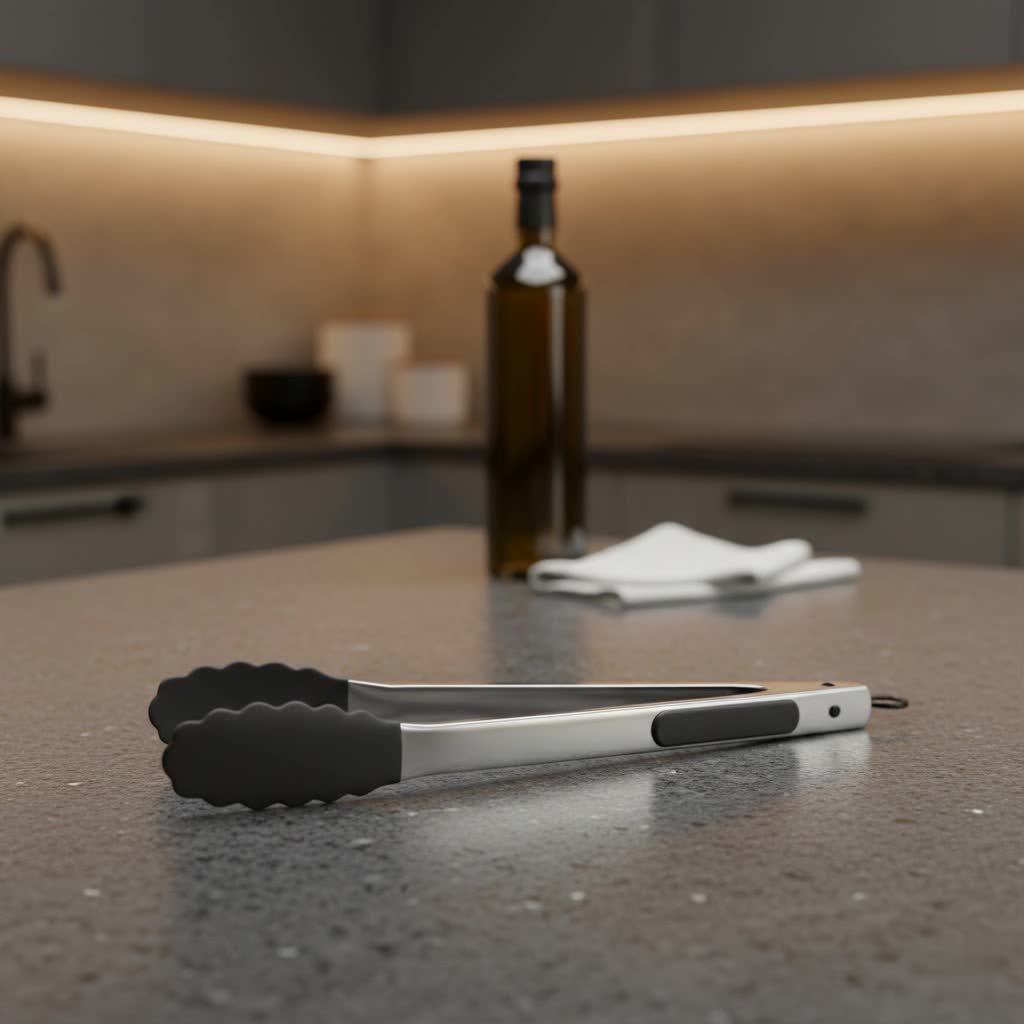
Stepping into the kitchen, a true culinary enthusiast knows that the right tools can elevate every dish. Among these essential instruments, kitchen tongs stand out as indispensable extensions of your hand. But what about the often-overlooked hero, the angled kitchen tong? Designed for precision and ease, these specialized tools promise to revolutionize how you grip, flip, and serve. If you’ve ever struggled to maneuver food in a crowded pan or delicately plate a garnish, angled kitchen tongs are your answer, offering superior control and preventing culinary mishaps. Join us as we delve into the world of angled kitchen tongs, helping you discover the perfect pair to enhance your cooking prowess.
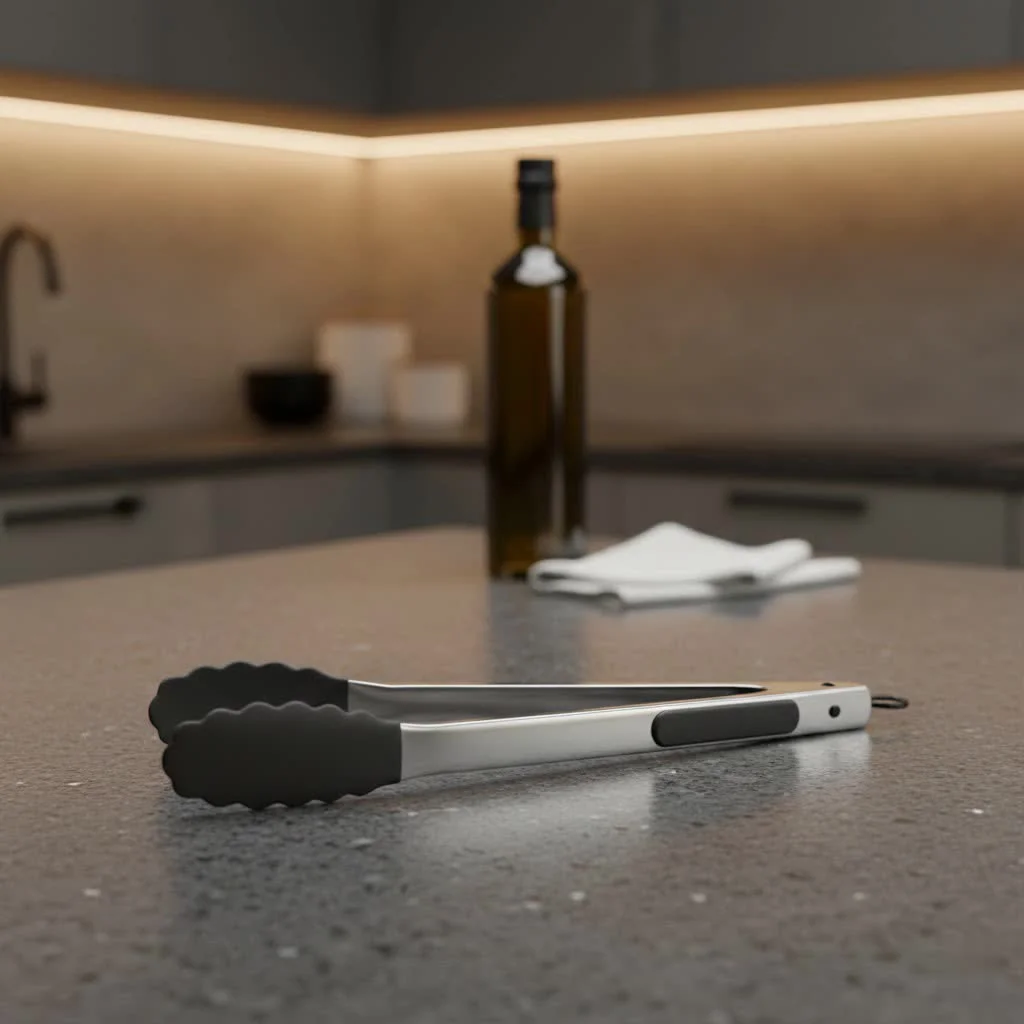

Angled Kitchen Tongs: Types and Innovations
Angled kitchen tongs aren’t a single entity but come in various forms, each offering unique advantages tailored to specific culinary tasks. Understanding these differences is key to making an informed choice for your kitchen. Generally, the “angle” refers either to the grip mechanism or, more commonly, to the tips themselves, providing a more ergonomic and effective way to interact with food.
Many utility tongs, which are the most common type, now incorporate an angled design at their tips or heads. This subtle but significant tilt allows for improved access to the corners of pans and easier sliding under delicate foods like fish or pancakes. Beyond this, the materials used in construction greatly influence their performance and application.
- Stainless Steel Angled Tongs: These are the workhorses of the kitchen. Crafted from durable stainless steel, they offer exceptional strength and heat resistance, making them ideal for grilling, frying, and general cooking tasks. Their angled tips provide a firm, secure grip on heavier items, ensuring nothing slips away. However, it’s crucial to be mindful that bare stainless steel can scratch non-stick cookware.
- Silicone-Tipped Angled Tongs: Combining the robustness of stainless steel with the protection of silicone, these tongs feature metal arms with heat-resistant silicone tips. The angled silicone heads are perfect for non-stick pans, preventing scratches while still offering an excellent grip. They are versatile, gentle on delicate foods, and can withstand high temperatures, often up to 600°F (315°C).
- Nylon Angled Tongs: Lightweight and budget-friendly, nylon tongs are another option for non-stick cookware. Their angled design helps with easy flipping and serving. While great for lower-heat cooking and serving, their heat resistance is generally lower than silicone or metal, typically around 400°F (200°C), making them less suitable for high-temperature applications like deep-frying.
Some specialized tongs, such as spaghetti tongs, also incorporate a slight angle or contour in their ergonomic handles. This thoughtful design optimizes the user’s leverage, reducing wrist strain when serving long, slippery noodles and making elegant plating much easier.
Essential Factors for Choosing Angled Kitchen Tongs
Selecting the ideal pair of angled kitchen tongs goes beyond just their angled tips. Several critical factors come into play, influencing performance, safety, and longevity.
Material Matters: Safety, Durability, and Heat Resistance
|
Our Picks for the Best Kitchen Tongs in 2026
As an Amazon Associate I earn from qualifying purchases.
|
||
| Num | Product | Action |
|---|---|---|
| 1 | GORILLA GRIP Stainless Steel Heat Resistant Kitchen Tongs for Cooking, Set of 2 BBQ Tong, Non Scratch Silicone Tip for Pans, Strong Grip, Grab Food, Toss Salad, Air Fryer, Pull Lock, 7 + 9 Inch, Black |

|
| 2 | HOTEC Premium Stainless Steel Locking Kitchen Tongs with Silicon Tips, Set of 2-9" and 12" |
|
| 3 | Boxiki Kitchen Wooden Tongs for Cooking - Nonstick Kitchen Salad Tongs for Serving Food, Grilling, Cooking, BBQ and Tossing Salad - Made of Natural Walnut Wood, Size 12-inch |
|
| 4 | OXO Good Grips 2-Piece Tongs with Nylon Heads Set |
|
| 5 | KitchenAid Stainless Steel Utility Tongs, 12 Inch |
|
| 6 | OXO Good Grips 9 Inch Stainless Steel Locking Tongs |
|
| 7 | Tongs For Cooking - Heat Resistant 600 Degrees Stainless Steel Kitchen Tong,Heavy Duty Metal Locking Tongs - Perfect for Food,Salad and BBQ set of 3 (7",9" and 12") Dishwasher |
|
| 8 | OXO Good Grips 12-Inch Stainless-Steel Locking Tongs |
|
| 9 | OXO Good Grips 9-Inch Locking Tongs with Nylon Heads |
|
| 10 | Kitchen Tongs with Silicone Tips, Tongs for Cooking Heat Resistant 600 Degrees Stainless Steel Locking Tong - 7" 9" & 12 inch Silicone Tong Non-Stick, Black Set of 3 |
|
The material of your tongs directly impacts their durability, safety, and the types of cookware they can be used with.
- Safety: Always prioritize food-grade materials, ensuring they are BPA-free if plastic or silicone is involved. Stainless steel is inherently safe, but check for reputable brands.
- Durability: Heavy-gauge stainless steel offers superior durability, resisting warping and bending under pressure. Silicone tips, while durable, should be robust and well-attached to prevent tearing over time.
- Heat Resistance: For cooking at high temperatures, especially grilling or deep-frying, high heat resistance is non-negotiable. Stainless steel excels here, while silicone tips typically offer resistance up to 500-600°F. Nylon is suitable for lower heat.
Size and Length: Matching Tongs to Your Task
The length of your tongs significantly affects reach, control, and safety.
- Short Tongs (7-9 inches): Ideal for serving, tossing salads, and delicate tasks in smaller pans where precision is key. They offer maximum control for intricate work.
- Medium Tongs (10-12 inches): The most versatile length, suitable for a wide range of everyday cooking, flipping meats in skillets, and moving food on baking sheets.
- Long Tongs (14-16 inches+): Essential for grilling and deep-frying, keeping your hands a safe distance from intense heat and splattering oil.
Operating Mechanism: Grip and Longevity
The way tongs open and close, along with their spring mechanism, contributes to their ease of use and long-term reliability.
- Spring-Loaded: Most modern tongs are spring-loaded, providing the necessary tension for a responsive and secure grip. A good spring offers comfortable tension without causing hand fatigue.
- Locking Mechanism: A pull-tab or button-lock feature is highly desirable. It allows you to keep the tongs closed for compact storage in drawers or hanging, preventing them from splaying open and taking up excess space.
- Precision and Sensitivity: The ideal tongs should feel like an extension of your hand, offering the sensitivity needed to pick up both delicate items like sliced fruit and heavier foods like a roast.
Comfortable Handle: Ergonomics for Extended Use
A comfortable handle is crucial, especially during longer cooking sessions.
- Non-Slip Material: Handles with silicone, rubber, or textured plastic coatings provide a secure, non-slip grip, even when your hands are wet or greasy.
- Ergonomic Design: Look for handles that fit comfortably in your hand, reducing strain and fatigue. Some designs include a thumb rest for better positioning and control.
Tips and Jaws: The Business End of Tongs
The design of the tong tips (often called “pinsers”) is where the angled advantage truly shines.
- Scalloped Edges: These are common and effective, offering a secure, slip-resistant grip on a variety of foods without piercing them.
- Flat or Rounded Heads: For more delicate foods or when you need to slide under items, flatter, slightly rounded angled heads can be beneficial, preventing tearing.
- Concave vs. Flatter: Some tongs have deeply concave heads, while others are flatter when closed. A flatter style with a slight angle can often allow you to gently grab food without pinching it too hard, while still offering dexterity.
Popular Brands for Quality Kitchen Tongs
Many renowned kitchenware brands offer high-quality tongs, often including models with angled designs or features that lend themselves well to the benefits of angled use.
- OXO: Widely praised for their ergonomic “Good Grips” handles and robust construction. OXO offers various tongs, including those with silicone heads and efficient locking mechanisms, which are often implicitly angled for better food handling. Their tongs are known for solid build, ease of use, and precision.
- Misen: Known for modern kitchen tools, Misen’s silicone tongs are frequently recommended for their durability and scratch-preventing silicone tips, which are suitable for angled applications.
- Joseph Joseph: This brand often innovates with design. Their Elevate Stainless Steel Tongs, for instance, are specifically highlighted for having an angled tip to get into pan corners, alongside heat-resistant silicone.
- KitchenAid: A classic in kitchenware, KitchenAid offers durable and aesthetically pleasing tongs, often made with sturdy materials that support various cooking styles.
- WMF: A German brand known for high-quality stainless steel products, offering durable and often elegantly designed tongs with excellent heat resistance.
Angled Kitchen Tongs: A Comparative Overview
Choosing the right angled tong depends on your primary cooking needs. Here’s a general comparison to guide your decision:
| Type of Angled Tong | Material Focus | Key Advantages | Considerations |
|---|---|---|---|
| Stainless Steel Angled | Stainless Steel | Extremely durable, high heat resistance, strong grip, ideal for grilling & heavy-duty tasks | Can scratch nonstick cookware, may feel less gentle on very delicate foods |
| Silicone-Tipped Angled | Stainless steel core, Silicone tips | Nonstick safe, excellent grip, high heat resistance (tips), versatile for all cookware types | Silicone can eventually show wear, some users might prefer the direct feel of metal |
| Nylon Angled | Nylon | Nonstick safe, lightweight, economical, good for serving & light cooking | Lower heat resistance, less durable for very heavy or high-temperature use |
How to Use and Care for Your Angled Kitchen Tongs
To maximize the lifespan and effectiveness of your angled kitchen tongs, proper usage and maintenance are key.
Safe and Effective Usage
- Choose the Right Length: Use longer tongs for grilling and deep-frying to protect your hands from heat and splatters. Shorter tongs are better for precision tasks and serving.
- Mind the Material: Always use silicone-tipped or nylon tongs on non-stick surfaces to prevent scratching.
- Secure Grip: The angled design is meant to enhance grip. Practice holding different foods to get a feel for the optimal angle and pressure needed.
- Professional Flipping: Utilize the angled tips to smoothly slide under food, allowing for an effortless flip without tearing or damaging the item.
Cleaning and Storage for Longevity
Most modern kitchen tongs, especially those made of stainless steel or with silicone tips, are dishwasher safe. For handwashing:
- Immediate Cleaning: Wash tongs immediately after use to prevent food from drying and sticking, especially when dealing with sticky or acidic ingredients.
- Warm Soapy Water: Use warm, soapy water and a sponge to clean. Pay attention to the tips and any locking mechanisms where food might accumulate.
- Thorough Rinsing: Rinse thoroughly to remove all soap residue.
- Air Dry or Towel Dry: Allow them to air dry completely or towel dry to prevent water spots and rust (for stainless steel).
- Lock for Storage: Engage the locking mechanism before storing to keep them compact and organized in your drawer or hung on a hook.
Expert Tips for Using Angled Kitchen Tongs
Elevate your cooking with these practical tips from seasoned professionals:
- Food-Specific Tongs: Consider having a dedicated pair of silicone-tipped angled tongs for non-stick cookware and a sturdy stainless steel pair for grilling or handling heavy roasts.
- The “Leg Tap” Trick: Many chefs, especially in restaurant settings, keep their tongs locked until needed. To unlock, simply tap the locking mechanism against your thigh or hip for quick, one-handed operation. This is a subtle but effective time-saver.
- Versatile Beyond Flipping: Angled tongs are excellent for more than just flipping. Use them to stir pasta, grab hot items from boiling water, transfer baked goods, or even pull out toast from a toaster.
- Plating with Precision: For a professional presentation, leverage the precise control offered by angled tongs to carefully arrange garnishes, herbs, or small food items on plates.
“Angled tips aren’t just a design choice; they’re an engineering advantage. They allow you to approach food differently, gaining leverage and control you simply can’t achieve with straight tongs, especially in tight spaces or when dealing with delicate items.” – Chef Antoine Dubois, Culinary Innovator and Kitchen Tool Specialist
Top Angled Kitchen Tongs for Your Culinary Arsenal
While “angled” is often a feature rather than a distinct product line, several top-rated tongs embody the benefits of an angled design through their tips and ergonomics. When looking for the best, consider models from these brands known for quality and functionality:
- OXO Good Grips 9-Inch Tongs with Silicone Heads: Often cited as a top choice, these tongs feature an angled silicone head and comfortable grips, making them versatile for all cookware and excellent for grabbing food securely. Their design facilitates easy maneuvering under items.
- Joseph Joseph Elevate Stainless Steel Tongs: Specifically designed with an angled tip, these tongs are lauded for their ability to reach into pan corners and their heat-resistant silicone. They are a prime example of integrated angled functionality.
- Misen Silicone Tongs: Known for their robust construction and protective silicone tips, these durable tongs offer great control and are perfect for a variety of tasks, often featuring subtle angles in their gripping surface for improved functionality.
These options consistently rank high for their blend of durability, user-friendliness, and effective grip, all benefiting from thoughtful design that often includes an ergonomic or tip-based angle.
Where to Purchase Angled Kitchen Tongs
Finding the right angled kitchen tongs is easier than ever, with options available both online and in brick-and-mortar stores.
- Specialty Kitchen Stores: Stores dedicated to kitchenware often have a wide selection, allowing you to handle different models and feel their ergonomics firsthand.
- Department Stores: Major department stores with home goods sections typically carry reputable brands like OXO and KitchenAid.
- Online Retailers: Websites such as Amazon, Williams Sonoma, and manufacturer direct sites (e.g., OXO.com, Misen.com) offer an extensive range, often with detailed product descriptions and customer reviews.
- Supermarkets/Hypermarkets: Many larger grocery stores also stock basic to mid-range kitchen tongs, which may include angled utility options.
When buying online, always read customer reviews, check product specifications for material and heat resistance, and review return policies to ensure satisfaction.
Your Definitive Angled Kitchen Tongs Buying Guide
Navigating the array of options can be daunting, but with a clear understanding of your needs, selecting the perfect angled kitchen tongs becomes simple.
- Define Your Primary Use: Will you be grilling, frying, serving, or all of the above? Your main tasks will dictate the ideal length, material, and heat resistance required.
- Consider Your Cookware: If you primarily use non-stick pots and pans, silicone-tipped or nylon angled tongs are essential to protect your surfaces. For stainless steel or cast iron, metal tongs are a durable choice.
- Prioritize Comfort and Control: Test the grip and tension. The tongs should feel natural in your hand, with a smooth, responsive spring and a reliable locking mechanism for storage. The angled tips should feel intuitive for picking up and manipulating food.
- Check Heat Resistance: Ensure the tongs’ material can withstand the temperatures of your usual cooking methods.
- Read Reviews: Look for feedback on durability, ease of cleaning, and how well the tongs perform various tasks in real-world kitchens.
Conclusion
Angled kitchen tongs are more than just a minor variation on a classic tool; they are a purposeful design evolution that offers enhanced control, precision, and versatility in the kitchen. From effortlessly flipping delicate fish in a non-stick pan to confidently handling sizzling steaks on the grill, the ergonomic advantage of an angled design makes every culinary task smoother and safer. By considering factors like material, length, handle comfort, and tip design, you can find the perfect pair that feels like an extension of your own hand. Invest in quality angled kitchen tongs, and you’ll discover a significant upgrade to your cooking experience. What culinary challenges will your new angled tongs help you conquer first?
Frequently Asked Questions
Why choose angled kitchen tongs over straight ones?
Angled kitchen tongs provide superior leverage and reach, making it easier to get under food, navigate crowded pans, and access tight corners. This design offers enhanced control and precision, reducing the effort needed to grip and flip, which can prevent food from tearing or slipping.
Are silicone-tipped angled tongs safe for high heat?
Yes, most high-quality silicone-tipped angled tongs are designed to be heat-resistant, typically withstanding temperatures up to 500-600°F (260-315°C). This makes them safe for use in hot pans, ovens, and even on the grill for short periods, while also protecting your non-stick cookware.
What length of angled tongs is best for grilling?
For grilling, longer angled tongs, typically 14-16 inches or more, are highly recommended. Their extended reach keeps your hands a safe distance from the intense heat of the grill, preventing burns and allowing you to maneuver food with confidence and control.
Cooking gear we tested in our own kitchens
Free PDF — preheat times measured on 10 popular air fryers.
